



The Publisher of JournalNG Magazine and Convener of the JournalNG Port Industry Town Hall Meeting, Ismail Aniemu, has called for the adoption of a smart port regime in Nigeria, describing it as a critical step toward enhancing efficiency, reducing human bottlenecks, and creating new employment opportunities in the maritime sector.
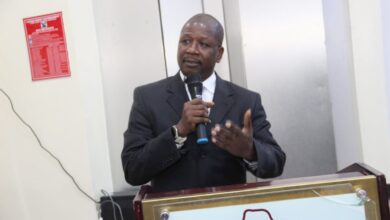
Aniemu made the call at the 6th edition of the JournalNG Port Industry Town Hall Meeting held in Apapa on Friday, themed: “Towards a Regime of Smart Ports in Nigeria.”
Speaking on the 2026 focus, he emphasised that smart ports represent the future of port operations globally, driven largely by technology and automation.
“A smart port is tech-driven. It will rely on robotics, artificial intelligence, and other modern tools that will limit human interface and enhance operational efficiency,” he said.
He explained that transitioning to a smart port system would significantly reduce delays associated with manual processes, while improving transparency and productivity across the maritime value chain.
Addressing concerns from labour unions over potential job losses, Aniemu dismissed such fears, noting that technological advancement would instead create more specialised roles for skilled professionals.
“We don’t need to be afraid. When we discuss smart ports, the unions often think workers will lose their jobs. No. If we migrate to a smart port system, it will create more jobs for smart people,” he stated.
He expressed confidence in the competence of Nigerian professionals to adapt and excel within a technology-driven port environment.
“We have seen Nigerians with local certificates go abroad and perform as some of the best doctors and engineers. Maritime stakeholders and scholars in Nigeria can also perform optimally within and outside the shores of the country,” he added.
While briefly referencing the 24-hour port system discussed at the previous edition, Aniemu noted that foundational elements such as round-the-clock financial transactions and institutional coordination already exist and can support the transition to a smarter, more efficient port ecosystem.
He stressed, however, that beyond infrastructure and technology, the mindset of operators remains a key determinant of success.

“The banks are ahead of us. The banks are ready. You can make payments at any time, even from the comfort of your room. If payments can be made and received at any hour, then it is also possible for cargo examination and clearance to take place at night. Customs, NDLEA, NAFDAC—everybody can operate shifts if we truly mean it,” Aniemu added.
The town hall meeting drew stakeholders from across the maritime industry, who deliberated on pathways to align Nigeria’s port operations with global standards through the deployment of digital solutions and intelligent systems.
Industry observers say the push for smart ports, if fully implemented, could position Nigeria as a competitive maritime hub in the region while improving ease of doing business at the nation’s seaports.





1ltftr
7oe2ym