

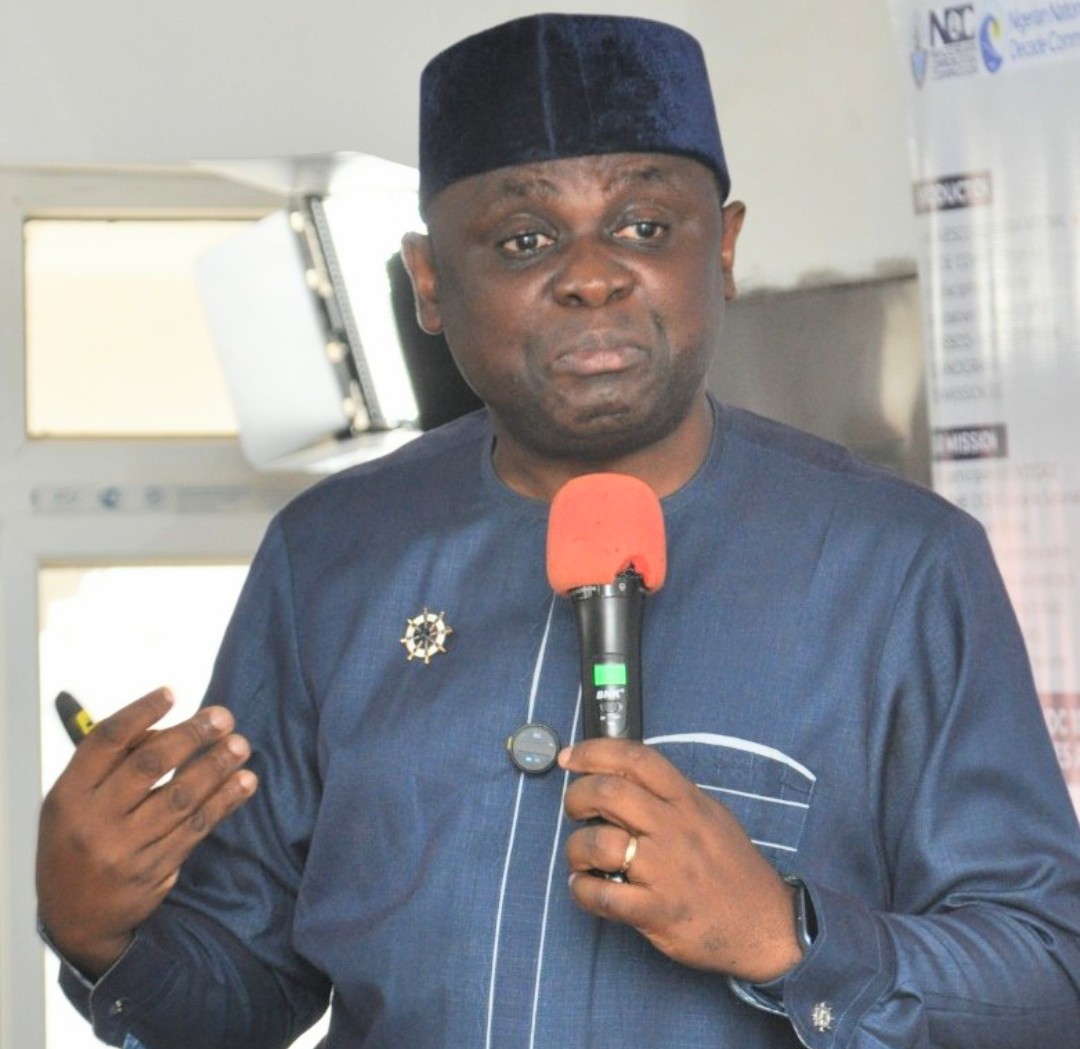
Founder and Chief Executive Officer of the Blue Economy Academy, Ubong Essien, has called for a national Ocean Literacy Revolution, saying Nigeria’s future prosperity will depend not only on infrastructure but also on citizens’ understanding of the country’s vast ocean resources.
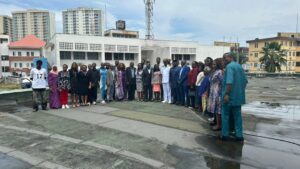
 Essien made the call while delivering the keynote lecture at the 2026 World Oceans Day celebration organised by the International Ocean Institute (IOI) Nigeria Centre in collaboration with the Nigerian Institute for Oceanography and Marine Research (NIOMR) and other stakeholders in Lagos.
Speaking on the theme, “Reimagining the Blue Economy: Achieving Sustainable Prosperity with the Ocean,” he urged policymakers, industry leaders, researchers, educators, coastal communities and the public to move from what he described as “Sea Blindness” to “Ocean Consciousness.”
 According to him, despite Nigeria’s 853-kilometre coastline and abundant marine resources, many citizens remain unaware of the ocean’s vital role in food security, trade, climate regulation, energy, tourism, employment and national development.
“Most Nigerians know only half of their country. We know the land, but we rarely see the sea. Yet the ocean influences our food systems, trade, climate, energy, security and economic future,” he said.
Essien argued that Nigeria’s greatest Blue Economy challenge is not the absence of ports, terminals or policies, but inadequate public understanding of the ocean’s value.
“The next phase of Nigeria’s Blue Economy is not infrastructure. It is Ocean Literacy,” he stated.
He noted that as the world gradually shifts away from dependence on crude oil, the Blue Economy presents Nigeria with an opportunity to diversify its economy, create jobs and promote inclusive, sustainable growth.
“The Blue Economy offers Nigeria another opportunity for broad-based prosperity, job creation, inclusion and sustainable growth. But we cannot benefit from what we do not see,” he added.
A major highlight of the lecture was his introduction of the concept of “Sea Blindness,” which he described as the inability of individuals, institutions and governments to recognise the ocean’s influence on everyday life and national prosperity.
Essien identified five key stakeholder groups that must work together to build a sustainable Blue Economy: industry, government and regulators, researchers and knowledge institutions, coastal and riverine communities, and the general public.

He also called for a shift from the current extractive approach to marine resources towards stewardship based on sustainability, conservation and responsible resource management.
“We must move from extraction to stewardship. The ocean has been generous to Nigeria. It is time for us to develop a healthier relationship with it,” he said.
He emphasised the need to strengthen marine conservation through the establishment of Marine Protected Areas, sustainable fisheries, improved waste management, effective ocean governance, maritime safety and environmental protection.
Essien further described research and academic institutions as the lifeblood of the Blue Economy, stressing that evidence-based policymaking would be essential for long-term success.
The event attracted policymakers, academics, researchers, maritime professionals, environmental advocates, students and development partners committed to promoting sustainable ocean governance in Nigeria.
In his remarks, Director of the International Ocean Institute Nigeria Centre, Akanbi Williams, said reimagining Nigeria’s relationship with the ocean is both an environmental necessity and an economic imperative.
Participants agreed that while the establishment of the Federal Ministry of Marine and Blue Economy and the National Blue Economy Policy represents significant progress, sustained success will depend on stronger ocean literacy, increased public awareness and active citizen participation.
Reaffirming the Blue Economy Academy’s commitment to advancing ocean literacy, Essien concluded: “A nation cannot prosper by water until its people learn to see the water.”





Ótimo artigo! O Free Image Generator em tem sido útil em fluxos parecidos. Free Image Generator
9eibs0