

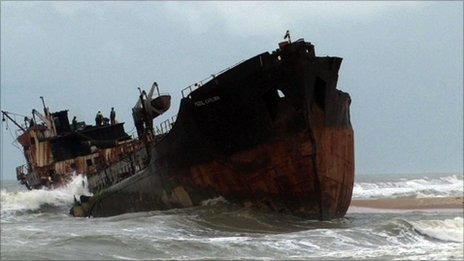
From a distance, an abandoned cargo ship looks like a relic of life at sea. Up close, it is something else entirely, a floating warehouse of steel, copper and other valuable materials worth millions of dollars. Across Nigeria’s coastline, these aging vessels are quietly being dismantled, feeding the country’s growing demand for construction materials. Yet much of the work takes place in the shadows, outside formal regulation, leaving billions of naira in economic value untapped and exposing workers and the environment to unnecessary risks.
Maritime experts say that if Nigeria can formalise its ship recycling industry, the country could save more than $2 billion annually in steel imports, create over 10,000 formal jobs and establish a new pillar for its emerging blue economy.
Every year, hundreds of cargo ships, tankers and other vessels reach the end of their operational lives. Many eventually find their way to Nigeria’s 853-kilometre coastline, where they are dismantled in informal shipbreaking yards scattered across Lagos, Warri and Port Harcourt. The recovered steel, copper and aluminium are sold into local markets, supplying builders, fabricators and manufacturers with much-needed raw materials.
The industry already plays an important role in Nigeria’s economy, but it remains largely informal. Workers often dismantle vessels with basic equipment, while hazardous materials are handled without adequate safety measures. There are no dedicated ship recycling zones, comprehensive waste treatment systems or uniform standards governing how the work should be carried out.

Globally, the business of ship recycling is changing. Tougher environmental regulations in Europe and the United States now require greater accountability in the disposal of aging vessels, prompting many shipowners to seek recycling destinations that can meet international standards. Industry observers believe Nigeria is well positioned to capture part of this growing market if it invests in modern facilities and strengthens regulation.
The opportunity is significant. A single large vessel can yield between 8,000 and 15,000 tonnes of recyclable steel. For a country that spends more than $2 billion every year importing steel for roads, bridges, housing and manufacturing, recovering these materials locally could reduce import dependence, conserve scarce foreign exchange and lower the cost of infrastructure development.
Beyond the economic gains, formalising the sector would address longstanding environmental and safety concerns. Environmental groups have repeatedly warned that informal shipbreaking exposes workers to asbestos, heavy metals and toxic chemicals while increasing the risk of oil spills and marine pollution that threaten coastal communities and fishing livelihoods.
Although the Nigerian Maritime Administration and Safety Agency (NIMASA) and the National Environmental Standards and Regulations Enforcement Agency (NESREA) have developed guidelines for environmental compliance and maritime safety, industry stakeholders say enforcement has remained weak, allowing unsafe practices to persist.
The economic case for reform is equally compelling. A regulated ship recycling industry would generate thousands of direct jobs for welders, crane operators, engineers, safety officers and environmental specialists, while creating additional employment in logistics, steel processing and manufacturing. It would also position Nigeria to attract contracts from international shipping companies that are increasingly required to demonstrate that retired vessels are dismantled in environmentally responsible and ethically compliant facilities.
For many of those already working in the informal sector, the transition would mean more than increased investment, it would transform livelihoods. Babatunde Ajiboye, who specialises in the supply of condemned vessels, says workers are eager for a safer and more organised system.
”If the government builds a proper place, with helmets, boots and a hospital, I will be the first to register,” he says. “Formalisation will give us predictable wages, better safety and a future instead of risking our lives every day.”
Industry leaders believe that the future lies in developing industrial-scale ship recycling yards. Former Director-General of NIMASA, Dr. Bashir Jamoh, has consistently advocated the establishment of dedicated domestic ship recycling facilities instead of allowing valuable scrap materials to leave the country.
According to him, such facilities would enable Nigeria to capture the industry’s full value chain from dismantling vessels to processing steel for local industries thereby retaining investment, creating jobs and boosting government revenue.
The proposal aligns with calls for Nigeria to domesticate the International Maritime Organisation’s Hong Kong Convention, which establishes global standards for safe and environmentally sound ship recycling. Maritime stakeholders also recommend developing two or three certified ship recycling facilities through public-private partnerships. These facilities would operate on engineered platforms, provide workers with appropriate protective equipment and ensure hazardous waste is properly collected and treated before it reaches the environment.
The Federal Ministry of Marine and Blue Economy has repeatedly identified the blue economy as one of Nigeria’s next growth frontiers, and experts believe ship recycling fits squarely within that vision. Rather than viewing obsolete vessels as waste, they argue, Nigeria can transform them into strategic industrial assets that support local manufacturing, reduce dependence on imported steel and strengthen the country’s industrial base.
The ships arriving on Nigeria’s shores may have completed their final voyage, but their economic journey does not have to end there. With the right policies, investment and enforcement, yesterday’s vessels could become tomorrow’s steel, skilled jobs and industrial growth, turning what is now an overlooked activity on Nigeria’s beaches into one of the country’s most promising blue economy opportunities.








[6491]Lodi646 Casino Philippines: Login, App & Exclusive Promos,Experience the best of online gaming at Lodi646 Casino Philippines. Log in today to enjoy a premium selection of slots and live casino games. Download the Lodi646 app for seamless mobile betting and claim your exclusive promos to boost your winnings! visit: lodi646
If you love slots then this is the place to be. The graphics are stunning and the wins feel rewarding. Log in at ggplay88slotlogin and see for yourself.
If you’re looking for a place with great bonuses for new players, this is it. I had a blast winning my first few rounds. Visit 999wingame for the best action.