
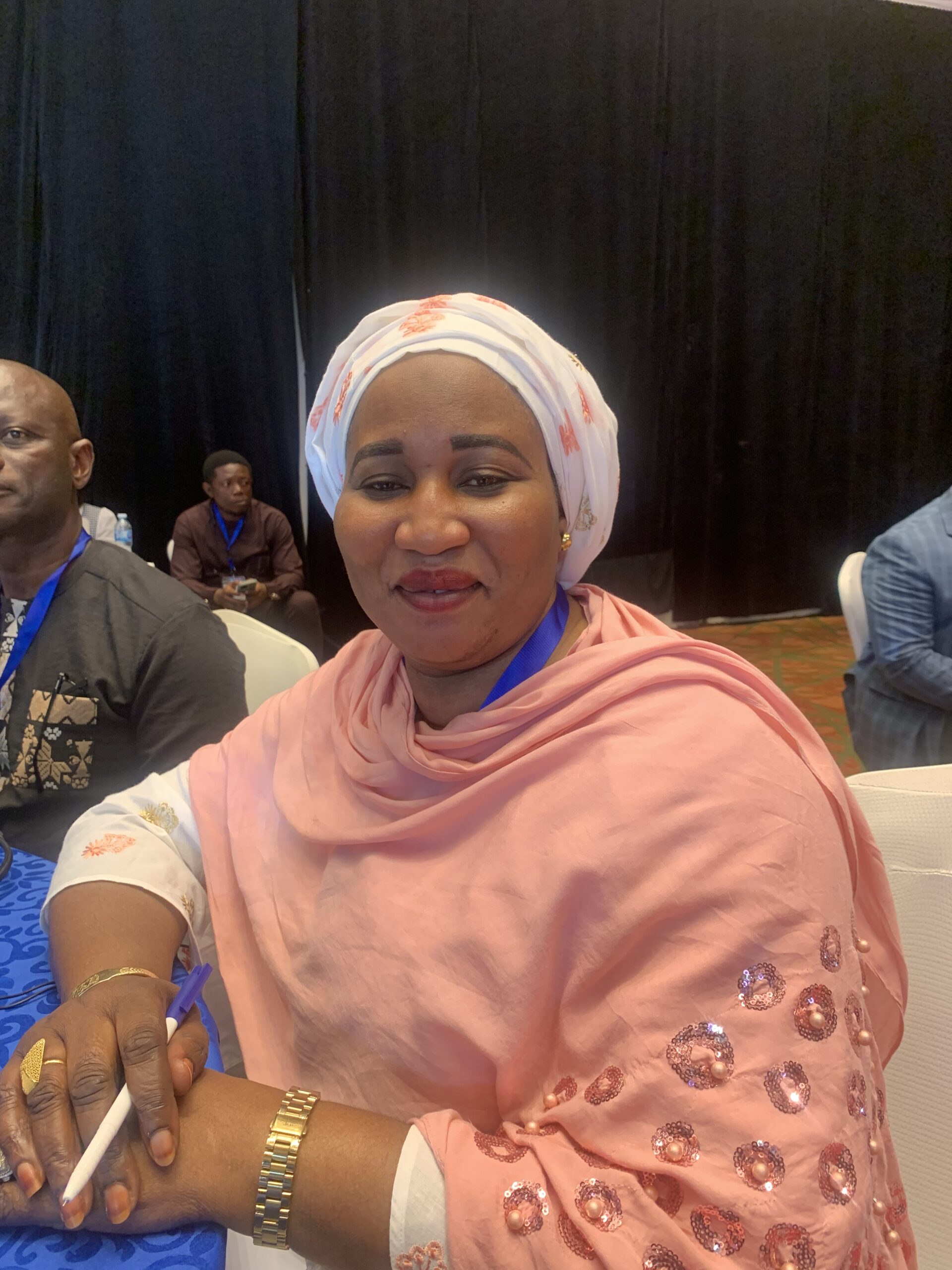
The Director General of Gambia Maritime Administration, Mrs. Olimatou Danso Malang, has disclosed that the country is intensifying efforts to strengthen oversight of vessels flying the Gambian flag following the discovery of widespread fraudulent ship registrations.
During an interaction with JournalNG at the Abuja Memorandum of Understanding (Abuja MoU) Regional Workshop for Directors General, Chief Executive Officers and Heads of Port State Control in Lagos, themed “A Future-Ready Port State Control Regime: Leadership, People, Governance and Performance for Safer Maritime Systems,” Malang explained that while The Gambia has a sizeable ship registry, most of the vessels flying the country’s flag are foreign owned. She noted that although registration under the Gambian flag confers the country’s nationality on a vessel, ownership remains with the original foreign owners.
She revealed that the maritime administration uncovered widespread irregularities within its ship registry in 2025, including vessels fraudulently operating under the Gambian flag without proper authorisation. In response, the administration deregistered about 72 fraudulent vessels in November 2025 and has continued the clean up exercise. According to her, about 105 vessels are currently on The Gambia’s ship register.



To improve compliance with international maritime standards, she said the administration has introduced stricter enforcement measures, including a penalty of about $2,500 for any Gambian-flagged vessel detained at a foreign port because of deficiencies. She estimated the country’s current compliance level at approximately 60 per cent, expressing confidence that ongoing reforms would further strengthen the credibility of the national ship registry.
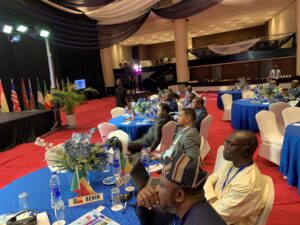
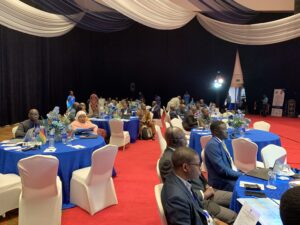
Malang also described the workshop as an important platform for advancing Port State Control across the region, stressing that lasting reforms must be driven by decisions taken within individual member states. She said the success of the Abuja MoU’s objectives would ultimately depend on the commitment and actions of maritime leaders when they return to their respective countries.
The Head of Port State Control and Maritime Safety and Security in Guinea-Bissau, Mr. Wilson Salvador, also said the regional workshop had provided the country’s maritime leadership with a clearer understanding of the importance of strengthening Port State Control.
Salvador noted that Guinea-Bissau currently has only one major commercial port that receives merchant vessels and acknowledged that the country is still building the capacity needed to implement effective Port State Control inspections.

He admitted that Guinea-Bissau is among the Abuja MoU member states that are yet to fully implement Port State Control inspections but expressed optimism that the country would begin conducting regular inspections before the end of the year.
According to him, the workshop has reinforced the need for sustained training, adequate equipment and institutional support for Port State Control Officers. He added that securing the commitment of the country’s maritime leadership would be crucial to providing inspectors with the resources, technical expertise and operational backing required to effectively carry out ship inspections and improve compliance with international maritime safety standards.





e852u9
dlkeyh
79dj44