

The state of global travel in Nigeria reflects a mix of strong opportunity and persistent structural challenges. Globally, tourism is expanding at record levels, creating favorable conditions for Nigeria to grow its tourism economy.

Domestically, increased travel demand, youthful demographics, and cultural richness position Nigeria as a potentially powerful tourism destination. However, infrastructure deficits, security concerns, and policy gaps remain key barriers that must be addressed for Nigeria to fully harness its place in the global travel ecosystem.
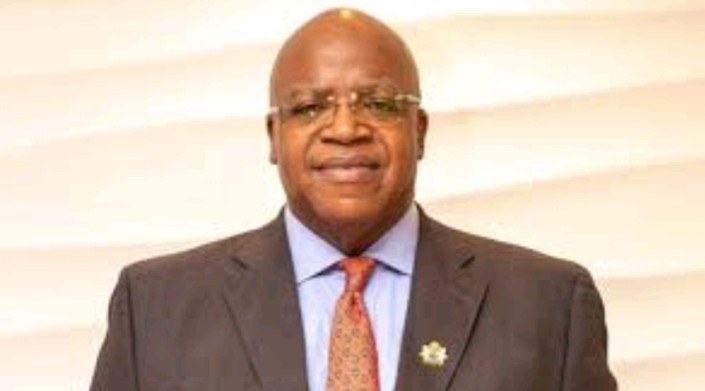
A routine father-daughter phone call has sparked a broader conversation about the future of tourism in Lagos, as Nigerian aviation expert, businessman, and President of the Aircraft Owners and Pilots Association of Nigeria (AOPAN), Alex Nwuba reflects on why global travellers choose destinations like Turks and Caicos or Jamaica over Nigeria’s commercial capital.
It was late afternoon in Lagos when Nwuba dialed his daughter for what he described as their customary weekend conversations, long, idea-filled discussions that often stretch for hours. But this time, the call was brief.
“She said she couldn’t talk because she was in Turks and Caicos for the weekend,” Nwuba recounted.
Moments later, photos and a video from the Caribbean destination arrived on his phone. What began as a casual exchange soon turned into a deeper reflection about global travel patterns and Lagos’ position in the tourism market.
As he studied the images, Nwuba said he found himself questioning what makes destinations such as Turks and Caicos, Costa Rica, Jamaica, and Belize magnets for young travellers from across the world.
He wondered why a young professional in Virginia could easily decide to spend a weekend in these destinations, yet Lagos, despite its vibrant culture, beaches, and nightlife rarely attracts similar short-stay visitors from neighboring West African countries, let alone Europe or North America.
According to Nwuba, Lagos possesses many of the raw elements required for a thriving tourism economy: energetic nightlife, cultural diversity, coastal attractions, and hospitality facilities. However, he argues that the city has struggled to convert these assets into structured, accessible experiences for visitors.
One of the key challenges highlighted by Nwuba is affordability. He noted that while Lagos offers premium lifestyle experiences, costs often exceed what regional or international visitors expect, especially when compared with destinations that deliberately design tourism ecosystems to attract repeat visitors.
“Hospitality is priced like luxury hubs, but the experience is not always delivered with the same consistency,” he observed.
Industry observers agree that affordability and transparency remain major factors in destination competitiveness, especially for weekend tourism markets.
Nwuba opins that the success of many global destinations lies not only in their natural beauty but in deliberate planning.Countries such as Jamaica and Costa Rica, he noted, have built tourism into their national identity, focusing on ease of travel, predictable services, and visitor satisfaction as core products.
In contrast, Lagos, he suggests, has largely treated tourism as seasonal or event-based rather than as a structured economic sector capable of generating year-round value. Despite the challenges, Nwuba believes Lagos still has the potential to become a regional tourism hub.
He envisions a city where travelers from across Africa and eventually Europe and the Americas could choose Lagos as a quick getaway destination, much like established weekend tourism cities around the world.
Achieving this, he said, would require: development of accessible and well-maintained beaches, competitive and transparent pricing across hospitality services, reliable infrastructure and consistent visitor experiences, a hospitality culture focused on welcoming visitors, and long-term policy commitment to tourism as a major industry
The aviation expert believes Lagos stands at a crossroad, rich in potential but in need of coordinated action to transform its cultural and environmental assets into structured tourism experiences.
For policymakers, investors, and industry stakeholders, his reflections serve as a reminder that tourism development is not merely about attractions, but about systems that make destinations predictable, affordable, and memorable.
As Lagos continues to expand its global profile, conversations like this sparked by everyday experiences may help shape the vision of what the city could become if tourism is embraced as a strategic economic driver rather than an occasional showcase.
The reflections by Nwuba have also resonated within the tourism and media space, prompting further conversations about how Lagos can reposition itself as a destination city.
Responding to the growing discussion, Adeola Fadairo, publisher of Arrival Magazine, described the observations as both honest and timely.
“I read this and had to pause not because it was surprising, but because it was true in a way we don’t often say out loud,” she noted.
According to Fadairo, Lagos has evolved into a city where people live and work successfully, but not yet one that visitors deliberately choose as a structured getaway destination.
“We have built a Lagos that people live in, but not yet a Lagos that people intentionally arrive into and that distinction is everything,” she said.
Fadairo emphasised that successful tourism cities do not rely solely on natural attractions, but on the emotional and logistical experience they deliver to visitors.
She suggested that stakeholders should shift from asking what Lagos offers to understanding how the city feels to visitors.
Key questions, she noted, include whether the destination feels predictable, accessible, thoughtfully curated and worth repeating
“These are the qualities destinations like Turks and Caicos, Costa Rica, and Jamaica have mastered. They didn’t just build destinations, they built systems of experience,” she explained.
Drawing from her work in travel storytelling and destination branding, Fadairo outlined four strategic priorities that could transform Lagos into a stronger tourism hub.
Rather than expanding the number of venues, she advocated for structured tourism packages designed around intentional visitor journeys.
Examples she highlighted include: “48 Hours in Lagos” , a ready-made weekend itinerary with transparent pricing, “The Coastal Reset” , beach-focused relaxation experiences, “The Quiet Luxury Weekend” , premium, curated lifestyle packages
“Lagos doesn’t necessarily need more places.It needs structured experiences that guide visitors.”
Inconsistency, she noted, remains one of Lagos’ biggest barriers to visitor confidence.According to her, tourism growth depends on: predictable service delivery, transparent and rational pricing, a hospitality culture built on trust.“Same price should mean the same experience,” she added.
She also stressed the importance of making travel to Lagos seamless and predictable.She posed a practical test:“Can someone in Accra, Kigali, or Rome decide on Thursday and confidently land in Lagos on Friday?” If the answer remains uncertain, she stated, Lagos has yet to build a fully functional tourism ecosystem.
Beyond infrastructure, storytelling plays a critical role in shaping perceptions. Fadairo noted that destination storytelling should move beyond general statements such as “Lagos is vibrant” to practical guidance that shows visitors exactly how to experience the city.“Storytelling should not just inspire, it should guide,” she said.
Despite the challenges outlined, Fadairo believes Lagos holds enormous potential to reposition itself as a regional tourism magnet.She described the city as already possessing the core ingredientsof energy, culture, people and economic potential
However, she stressed that the missing component remains what she described as the “experience layer”, the systems and structure that transform attractions into repeatable visitor journeys.“Maybe the question is no longer why people don’t come to Lagos, but what kind of Lagos we are inviting them into.”
Nwuba and Fadairo agree that the conversation around Lagos tourism is long overdue and must move from reflection to implementation.For industry stakeholders, policymakers, and investors, the message is clear: Lagos has the raw materials to compete globally, but the next phase of growth will depend on deliberate planning, coordination, and storytelling.






One Comment