
Stronger Maritime Investment Needed to Accelerate Africa’s Trade, Economic Integration, Says Adalikwu, MOWCA SG

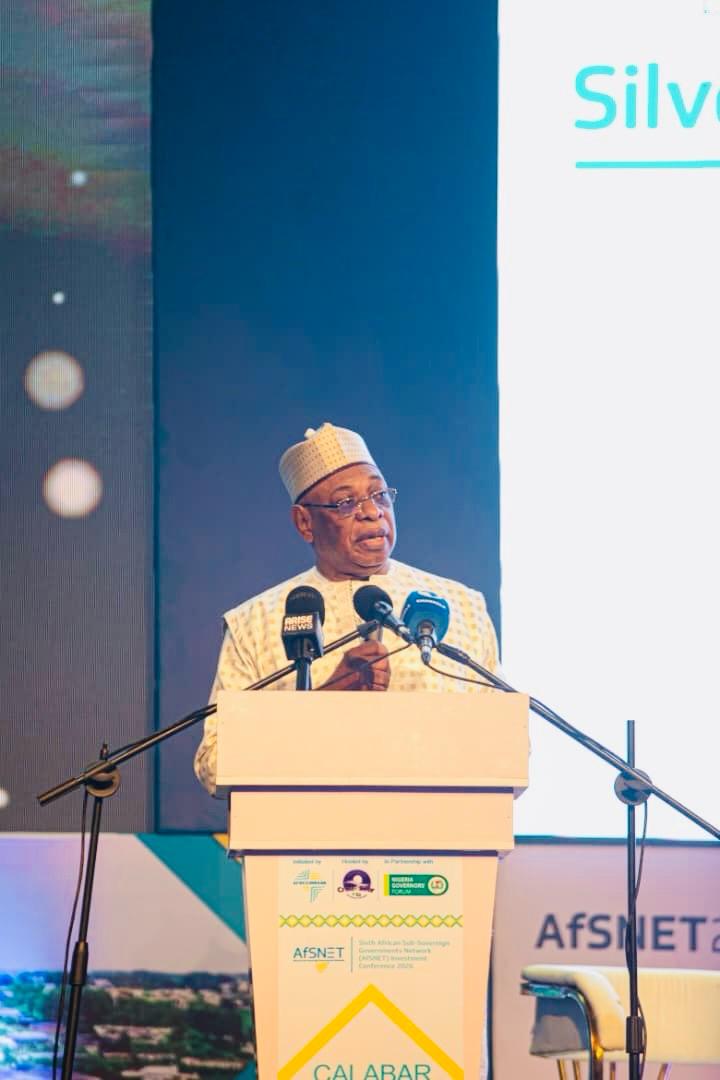
The Secretary-General of the Maritime Organization of West and Central Africa (MOWCA), Dr. Paul Adalikwu, has called for stronger regional cooperation and increased investment in maritime infrastructure to accelerate Africa’s economic integration, facilitate intra-African trade and unlock the continent’s blue economy potential.
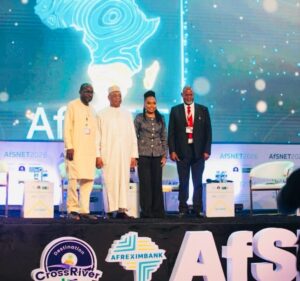
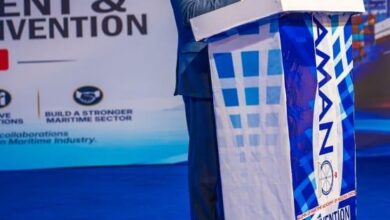
Dr. Adalikwu stated this while delivering a presentation titled “Advancing Africa’s Integration and Trade Facilitation: The Strategic Role of the Maritime Organization of West and Central Africa” at the 6th African Sub-Sovereign Governments Network (AfSNET) Investment Conference, held at the Calabar International Convention Centre from 12 to 14 .
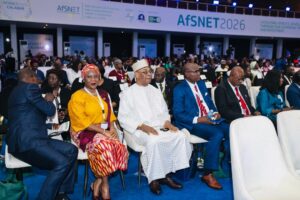
The conference, organised by the African Export-Import Bank (Afreximbank) in collaboration with the Government of Cross River State and the Nigeria Governors’ Forum, brought together government leaders, policymakers, development partners and investors under the theme “Role of Sub-sovereigns in Catalysing Development through Trade and Investment.”
The MOWCA Secretary-General emphasised that maritime transport remains fundamental to international trade and that Africa’s ability to realise the benefits of the African Continental Free Trade Area (AfCFTA) depends significantly on efficient ports, modern logistics infrastructure, streamlined customs procedures and reliable connections between production centres and regional markets. He noted that maritime infrastructure should be regarded not merely as a transport facility but as a strategic economic asset capable of stimulating industrialisation, creating jobs, strengthening food security and promoting sustainable development.
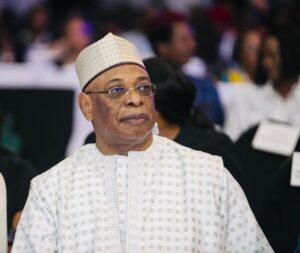
Dr. Adalikwu reaffirmed MOWCA’s commitment to strengthening maritime cooperation among its 25 Member States, comprising 20 coastal and five landlocked countries across West and Central Africa.
He highlighted the Organisation’s work in maritime administration, safety and security, environmental protection, capacity development, decarbonisation and the harmonisation of maritime policies, stressing that the regional nature of maritime challenges requires coordinated responses from national governments, sub-national authorities, port administrations, development finance institutions and private-sector operators.
He particularly urged sub-national governments to leverage their strategic roles in land administration, industrial development, agriculture, tourism and investment promotion. Coastal states and port cities, he said, could attract investments in logistics hubs, export-processing zones, fisheries infrastructure, ship-repair facilities and maritime training centres, while inland regions could strengthen connections to seaports through dry ports, inland container depots and efficient road and rail networks.
On human capital development, Dr. Adalikwu disclosed that MOWCA secured a US$1.5 million grant under a five-year Memorandum of Understanding with the Government of Indonesia to support maritime capacity-building programmes.
More than 90 maritime experts from the sub-region have already benefited from IMO-modelled training in Jakarta, with over 45 experts participating in the ongoing 2026 programme. He also drew attention to the shortage of vessels available for cadet sea-time training and noted that MOWCA is engaging private-sector conglomerates interested in introducing vessels for regional cabotage trade to create additional practical training opportunities.
On financing, the Secretary-General highlighted MOWCA’s initiative to establish the Regional Maritime Development Bank (RMDB), proposed to be headquartered in Nigeria. The institution is expected to help address investment gaps in maritime infrastructure and industry development. He called on governments and private investors to develop bankable projects and establish transparent public-private partnerships.
Dr. Adalikwu further disclosed that MOWCA is working with the African Development Bank (AfDB) on a US$500,000 grant for a regional assessment of ship-repair, maintenance, recycling and drydock infrastructure in Nigeria, Côte d’Ivoire and Cameroon. The assessment aims to identify existing facilities, infrastructure gaps and investment opportunities, with the goal of reducing reliance on overseas repair facilities, creating jobs and strengthening regional maritime value chains.
He identified shipping, fisheries, aquaculture, coastal tourism, shipbuilding and repair, marine services and offshore renewable energy as sectors offering significant opportunities for economic diversification and job creation. Realising these opportunities, he stressed, would require a shift from isolated national projects to integrated regional economic corridors supported by sustainable investment, effective institutions and stronger multimodal transport connections.
The MOWCA Secretary-General urged sub-national governments, development partners and private investors to work closely with MOWCA in identifying maritime investment opportunities, strengthening regional value chains and improving connections between local economies and the wider African market. He reaffirmed MOWCA’s readiness to deepen cooperation with its Member States and partners to build a safer, more efficient and sustainable maritime sector that supports Africa’s integration and long-term prosperity.


One Comment