

Efficient Ports Critical to Nigeria’s Economic Growth, Competitiveness says Maritime Security Expert , Madu

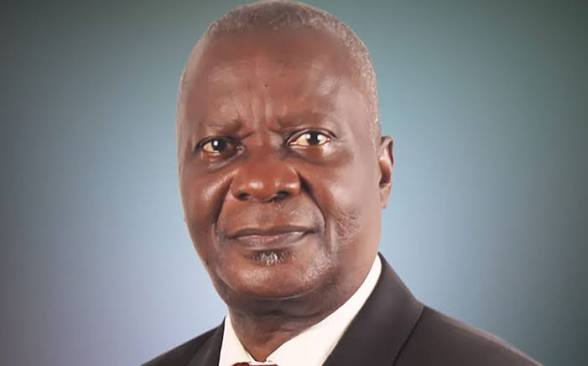
The Chief Executive Officer of Multimix Academy, Mr. Obiora Madu, has called for a fundamental shift in Nigeria’s approach to port development, urging the country to reposition its ports as engines of economic growth rather than mere gateways for cargo movement.
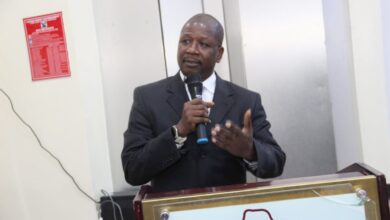
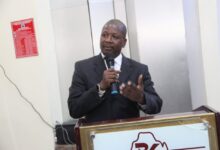
Madu, who served as a facilitator at the International Maritime Institute of Nigeria (IMION) Executive Course, holding from September 7 to 9, 2026, said the success of a port should not be measured solely by the number of ships berthed or containers handled, but by how quickly cargo is cleared, moved inland and delivered to markets at competitive cost.
He said having port infrastructure is not enough, stressing that the focus should be on whether the infrastructure is creating competitiveness and economic value. According to him, a port does not end at the port gate, as efficient logistics requires seamless movement from the vessel through the terminal, Customs and regulatory processes, roads, rail or waterways, warehouses and factories to the final customer.
Madu commended the Nigeria Customs Service for improvements in its operations, saying Customs’ performance is one of the factors contributing to Nigeria’s improved position in the World Bank Logistics Performance Index, which he said moved from around 110 to 88.
Madu called for a national port network in which Nigerian ports complement one another and are developed according to cargo needs, including containers, agriculture, manufacturing, oil and gas, bulk cargo, coastal shipping and regional trade. He said Nigeria’s geographical position gives it the potential to become a logistics hub for West and Central Africa but warned that the country is losing opportunities to more efficient ports in neighbouring countries, citing his experience at the Port of Lomé in Togo.
He also urged greater utilisation of eastern ports and the integration of road, rail and waterways into the national logistics system.
According to him, multimodal transport should not simply mean having different transport modes available, but integrating them to achieve the best combination of cost, speed, reliability, capacity and risk.
He said congestion and delays should be viewed as system-wide problems because every additional day cargo spends in the logistics chain increases storage, inventory and financing costs, disrupts production and ultimately raises the price of goods.
On trade facilitation, he said Nigeria must make legitimate trade faster, cheaper, simpler, more predictable and transparent while maintaining revenue, security and compliance. He advocated risk based Customs procedures in which compliant and low risk traders receive faster clearance while high risk consignments are subjected to greater scrutiny.
He warned that efficiency without resilience could make supply chains vulnerable to geopolitical conflicts, weather disruptions, trade restrictions, currency shocks and other crises. He advocated alternative ports, routes, transport modes and suppliers as part of a resilient logistics architecture.
Madu said the challenges confronting Nigeria’s trade and logistics sector are not solely the responsibility of government, stressing that traders, institutions and individuals must also address issues of compliance, integrity, attitude and accountability.





I’ve been looking for a reliable place to play and this one really delivers. The interface is super smooth and the payouts are fast. Definitely check out 78windangnhap if you want a stress-free experience.