
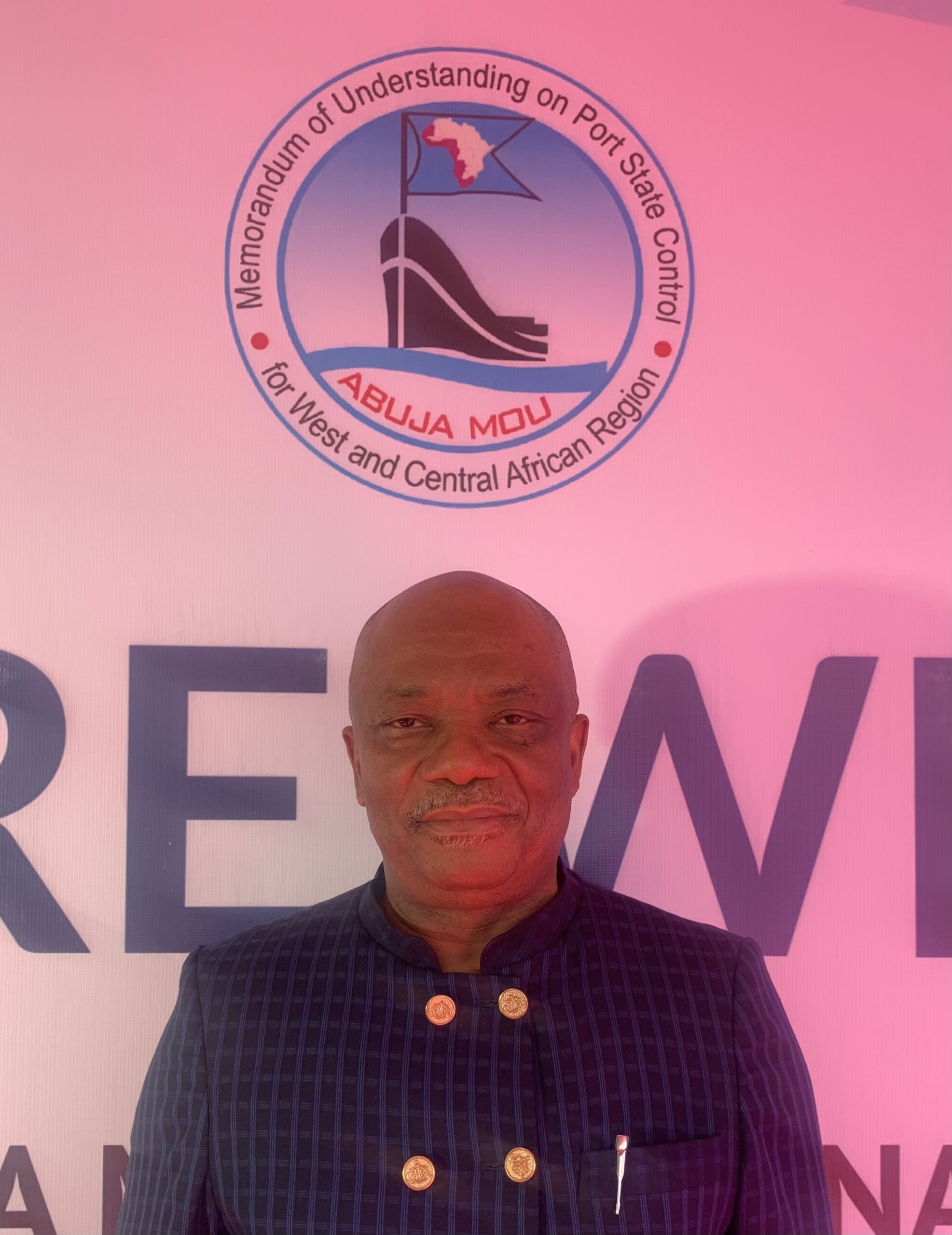
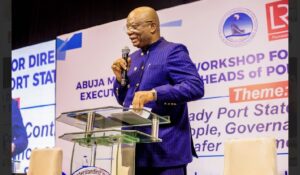
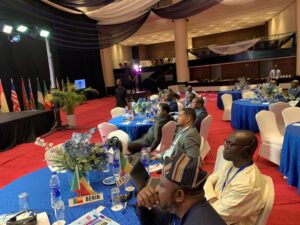
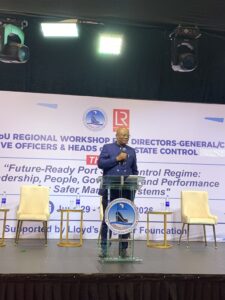
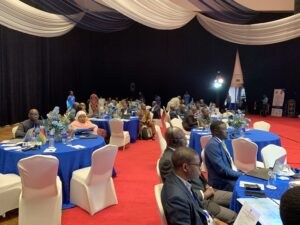
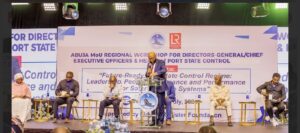
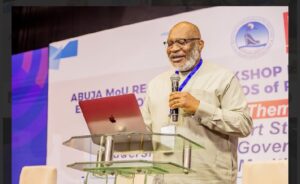
In this exclusive interview, at the Abuja Memorandum of Understanding (Abuja MoU) Regional Workshop for Directors General, Chief Executive Officers and Heads of Port State Control in Lagos, themed “A Future-Ready Port State Control Regime: Leadership, People, Governance and Performance for Safer Maritime Systems,” and supported by the Lloyd’s Register Foundation, the Secretary General of the Abuja MoU, Captain Sunday Umoren, outlined the organisation’s five year capacity building agenda, regional inspection targets and efforts to strengthen Port State Control and maritime safety across West and Central Africa.
(Q)Give us a brief overview of this event and what it aims at achieving for vessel inspection, safety and standards in Abuja MoU member countries.
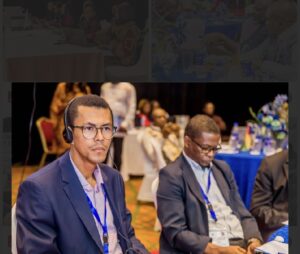
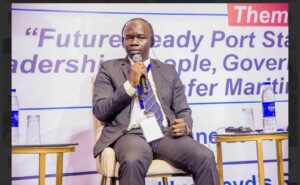
The programme is a regional workshop bringing together the Directors General, Chief Executives, Commissioners and other heads of maritime administrations from the 22 member states of the Abuja Memorandum of Understanding (MoU), alongside their Heads of Port State Control.
We recently secured a five year capacity building support programme from the Lloyd’s Register Foundation in London. The initiative covers a wide range of projects, including training programmes, workshops and other capacity strengthening activities for Port State Control Officers across the region.
During our discussions with the Foundation, we agreed that the programme’s success would depend largely on securing the commitment of policymakers. Those policymakers are the Directors General and heads of maritime administrations within the member states. Without their support, Port State Control Officers would be unable to fully participate in or implement the programme.
For instance, even if training programmes are organised, officers cannot attend without the approval of their respective administrations. That is why we decided to begin the five year project with this regional workshop to provide the heads of maritime administrations with a comprehensive overview of the initiative and secure their commitment from the outset
We are grateful to the Honourable Minister of Marine and Blue Economy, Adegboyega Oyetola, who also serves as the Vice-Chairman of the Abuja MoU, for supporting the initiative.
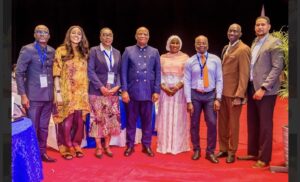
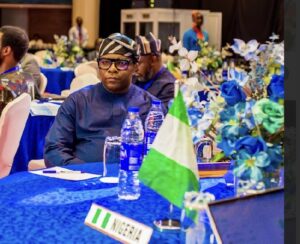
Nigeria accepted the responsibility of hosting the workshop, with key maritime agencies the Nigerian Shippers’ Council, the Nigerian Ports Authority and the Nigerian Maritime Administration and Safety Agency (NIMASA) working together and taking on different responsibilities to ensure the successful hosting of this important regional event. The workshop was further honoured by the presence of the Honourable Minister, whose participation underscored Nigeria’s commitment to strengthening Port State Control and maritime safety across the region.
(Q) How many countries do you have under the MoU and what is their level of inspection ?
Geographically, the Abuja MoU covers 22 countries across the West and Central African region. Of these, 21 are currently full members, while discussions are ongoing with the remaining country. We are optimistic that it will join as a full member before the end of the year, bringing total membership to all 22 countries.
Under the Abuja MoU agreement, each member state is expected to inspect at least 15 per cent of eligible foreign ships calling at its ports. At present, only slightly more than one-third of the member states are meeting this minimum inspection target.
One of the key objectives of the newly launched five year capacity building programme is to improve compliance across the region. By 2030, we expect all member states to be carrying out Port State Control inspections and meeting, at the very least, the minimum 15 per cent inspection benchmark required under the Abuja MoU.
(Q)What are the immediate, medium, and long-term plans to train more PSC officer
A structured and coordinated approach to training is essential to achieving the Abuja MoU’s long-term objectives. Like other regional Memoranda of Understanding, the organisation has developed a training policy designed to align capacity-building programmes with clearly defined performance targets, particularly its 2030 goal of improving Port State Control compliance across member states.
The five year capacity building programme is a key component of that strategy. It outlines a comprehensive schedule of training programmes and workshops that will be implemented throughout the project period. However, the initiative is not limited to these activities alone, as additional training opportunities are continually being pursued through partnerships with international organisations.
One such opportunity is a specialised training programme being organised in collaboration with the Food and Agriculture Organization (FAO), scheduled to take place in South Africa in October for Port State Control Officers.
The emphasis on training reflects the importance of ensuring that inspections are carried out by competent and well qualified officers. Effective Port State Control is not about simply meeting inspection quotas or ticking compliance boxes. Rather, inspections must be thorough, credible and capable of identifying substandard ships that pose risks to maritime safety, security and the marine environment.
Ultimately, the findings of an inspection determine the enforcement action to be taken. Strengthening the competence of inspectors is therefore critical to ensuring that substandard vessels are identified and prevented from operating, thereby fulfilling the core mandate of Port State Control.
(Q)Five years from now, how many PSC officers do you aim at training in Nigeria?
Regionally, we expect about 200 participants to benefit from the programme across the 22 member states. I don’t have the exact figure for Nigeria offhand, as I have the regional statistics in mind, but Nigeria will account for a significant number of the participants.
The capacity building initiative will be implemented using the train-the-trainer model. Under this approach, selected officers will receive specialised training and, in turn, transfer the knowledge and skills they acquire to other Port State Control Officers within their respective maritime administrations.
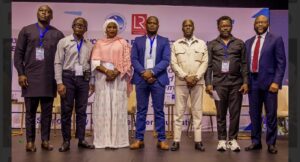
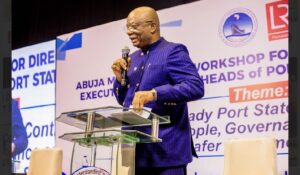
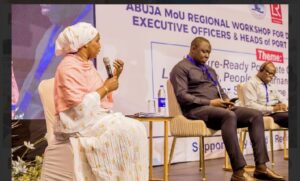
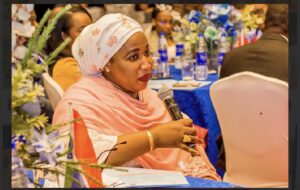
(Q)What are the major fallouts from these three day events?
The biggest outcome of this workshop is that we have secured the buy in of the policymakers. The Directors General and heads of maritime administrations have now been fully briefed on the objectives of the programme after listening to presentations from experts, including facilitators from other regional Memoranda of Understanding (MoUs) and seasoned Port State Control professionals.
One of the realities in many member states is that the position of Director General is often a political appointment, which means there is a high rate of turnover. The officials in office today may not necessarily remain in their positions over the next two or three years. To ensure continuity, the programme is designed to provide similar engagement sessions approximately every two and a half years so that newly appointed leaders can be brought up to speed and remain committed to the initiative.
A key message delivered during the workshop is that Port State Control is governed by internationally agreed standards under the International Maritime Organization (IMO), not by political considerations. Port State Control Officers have the legal authority to inspect and, where necessary, detain substandard vessels in accordance with international conventions. They do not require political approval to carry out these statutory responsibilities. The expectation is that maritime administrations will allow officers to perform their duties professionally and without political interference.
Another important outcome is the renewed commitment of member states to support the Abuja MoU Secretariat financially and institutionally. Participants gained a clearer understanding of the resources required to organise regional capacity building programmes of this scale and the importance of sustained national contributions.
Under the five year programme, the regional workshops and training activities will rotate among member states, with several countries already identified as future hosts. While the Lloyd’s Register Foundation will provide funding to support the participation of Port State Control Officers, host countries will be responsible for local logistics, including conference facilities, meals and other organisational costs. This shared responsibility is expected to strengthen regional ownership of the programme and ensure its long term sustainability.




One Comment