
INTERVIEW: MOWCA Aims at Building a Truly Integrated Regional Maritime Education Network – Adalikwu

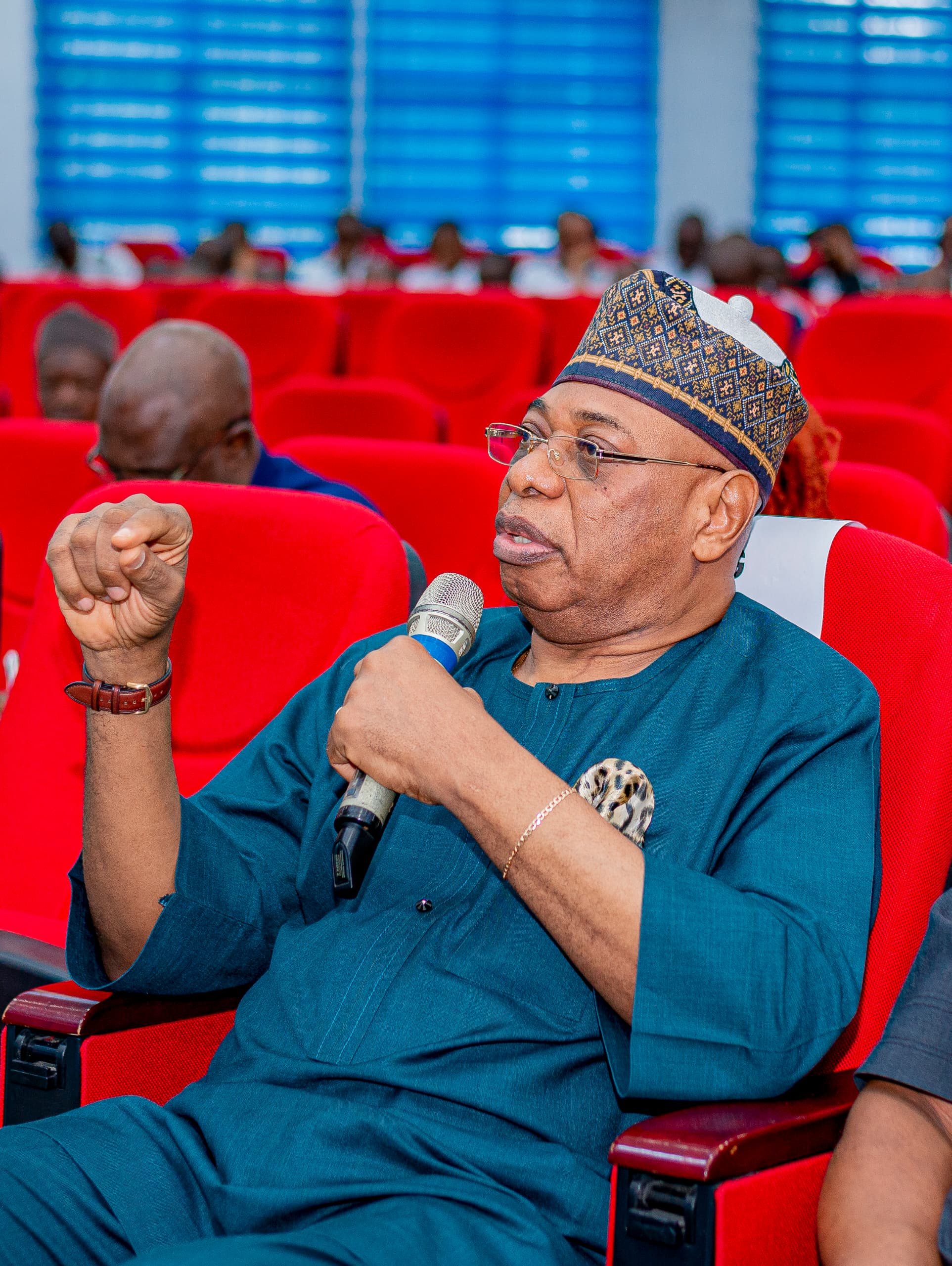
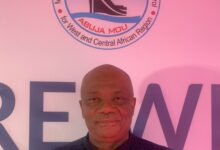
The Secretary-General of the Maritime Organization of West and Central Africa (MOWCA) , Paul Adalikwu has outlined plans to deepen regional maritime cooperation through stronger collaboration among Maritime Education and Training Institutions (METIs), expanded international partnerships, and improved sea-time opportunities for cadets across West and Central Africa.
The MOWCA chief reflected on the challenges of rebuilding institutional cohesion among Member States during his first term, while emphasising ongoing efforts to reposition the organisation as a more visible, relevant and results-driven regional maritime body. He also highlighted the significance of the newly introduced METIs exchange initiative, describing it as a strategic step toward strengthening Africa’s maritime human capital, harmonizing training standards, and fostering regional integration in maritime education and capacity development.
In this interview, Adalikwu sat with Ismail Aniemu after a week long exchange visit by the Regional Maritime University to the Maritime Academy of Nigeria, Oron.
Q. Congratulations on your re-election. What was your greatest challenge in the first four years and how are you addressing it?
One of the greatest challenges was rebuilding institutional cohesion and confidence among Member States while simultaneously repositioning MOWCA to become more visible, relevant and results-driven in a rapidly changing maritime environment.
There were also structural challenges relating to funding limitations, varying national priorities, language barriers, and the need to modernize cooperation mechanisms among our Member States.
We addressed these through sustained diplomatic engagement, stronger technical partnerships, institutional reforms, improved programme delivery, and by promoting practical regional initiatives with measurable impact. Our focus now is to consolidate these gains by deepening implementation, enhancing capacity building, and accelerating regional maritime integration.
Q. This initiative of bringing METIs together is the first of its kind in the region’s maritime history. What informed this?
The initiative was informed by the realization that no single Maritime Education and Training Institution can independently meet the growing demands of the modern maritime industry.
The maritime sector is becoming increasingly technology-driven, safety-conscious and globally competitive. Therefore, regional collaboration became imperative. We also recognized the need to harmonize standards, optimize scarce training resources, promote academic exchange, and build regional centres of excellence.
Bringing together institutions such as Maritime Academy of Nigeria, Oron, Regional Maritime University and Académie Régionale des Sciences et Techniques de la Mer is intended to create synergy instead of competition, and to strengthen Africa’s collective maritime human capacity.
Q. The three participating METIs are in the West African sub-region. How do we get the Central African countries involved?
This is only the foundation phase of a broader regional framework. Our intention is to gradually expand participation to maritime institutions in Central Africa through structured engagement under the MOWCA platform.
We are already encouraging Member States in Central Africa to identify and strengthen their maritime training institutions for integration into the programme. Future workshops, exchange programmes, faculty collaborations and specialized technical courses will deliberately include Central African participation.
Our ultimate objective is a truly integrated regional maritime education network covering both West and Central Africa.
Q. What are the immediate, medium-term and long-term gains expected from the partnership?
The immediate gains are : increased institutional cooperation and exchange of expertise, faculty and cadet exchange opportunities, sharing of training facilities and academic resources, improved dialogue on harmonized curriculum and certification standards.
The medium-term gains also include: development of specialized regional centres of excellence, joint research and innovation programmes, better compliance with international maritime training standards, enhanced employability of cadets within regional and international shipping markets.
The Long-term gains are :creation of a globally competitive regional maritime workforce, stronger maritime safety and security architecture, reduction in dependence on foreign maritime training institutions, advancement of Africa’s blue economy and maritime industrialization agenda and positioning the region as a major maritime human capital hub globally.
Q. MOWCA under your leadership achieved training grants from the Indonesian Government. Do you have future arrangements for similar programmes for trainers and trainees?
Yes, certainly. The Indonesian training partnership demonstrated the importance of strategic international cooperation in maritime capacity development.
MOWCA is currently expanding discussions with several international partners, maritime administrations, development agencies and training institutions to secure additional opportunities for both trainers and trainees in areas such as: maritime safety administration, port management, marine engineering, digital maritime technologies, green shipping, maritime security, and blue economy development.
Our objective is to institutionalize continuous international exposure and technical upgrading for maritime professionals across Member States.
Q. What is MOWCA’s suggestion on the easiest strategy to get a training ship for sea-time training of cadets?
Acquiring and maintaining a dedicated training ship independently can be financially demanding for many countries. Therefore, MOWCA advocates a collaborative regional approach.
One practical strategy is the establishment of a regional training vessel under a shared ownership or cost-sharing arrangement among Member States. Another option is structured partnerships with commercial shipping companies for cadet berthing arrangements onboard operational vessels.
We are also encouraging governments to negotiate mandatory cadet placement quotas with indigenous and international ship operators operating within the region.
In the long term, a regional maritime training fleet under a public-private partnership model may offer the most sustainable solution.
Q. Has MOWCA opened any form of interaction with shipowners’ associations and chambers of shipping across Member States to achieve sea-time opportunities?
Yes. Engagement with shipowners, chambers of shipping, port operators and maritime private sector stakeholders is becoming increasingly central to our strategy.
We recognise that maritime training without sea-time exposure leaves a critical gap in professional development. Consequently, MOWCA has continued discussions with maritime industry stakeholders on developing structured cadetship and onboard training opportunities.
We are also advocating stronger collaboration between governments, maritime academies and the private sector to ensure that training aligns with industry realities and employment demands.
Q. When should we expect the next exchange visit and who hosts it?
Discussions are already ongoing among the participating institutions regarding the next phase of exchanges and technical cooperation.
While the exact dates are being finalized collectively, the intention is to make the programme rotational among participating institutions to deepen ownership and inclusiveness.
It is expected that the next exchange engagement will build on the outcomes of the current workshop and may include broader technical themes, faculty immersion programmes and cadet interaction initiatives. The hosting arrangement will be jointly announced by the participating institutions and MOWCA at the appropriate time.



4oywg7