

Aviation Fuel : Tinubu Approves Debt Discounts for Airlines, Sets Up Committee on Multiple Taxes


President Bola Ahmed Tinubu has intervened in the escalating crisis in Nigeria’s aviation sector, approving debt relief measures for domestic airlines following threats to suspend operations over the soaring cost of Jet A1 fuel.

The intervention followed an emergency meeting in Abuja involving the Minister of Aviation and Aerospace Development, Festus Keyamo, airline operators, regulators, and stakeholders, including the Minister of State for Petroleum Resources (Oil), Heineken Lokpobiri.
The development came after the Airline Operators of Nigeria (AON) warned that airlines across the country might suspend operations from April 20, 2026, over what it described as an “astronomical and unsustainable” rise in the price of Jet A1 fuel.
Briefing journalists after the meeting on 22 April, 2026, Keyamo disclosed that he had earlier met with the President, who directed that airlines submit formal requests immediately to enable swift government intervention.
According to the minister, President Tinubu has agreed to grant domestic airlines discounts on debts owed to aviation agencies, including the Nigerian Airspace Management Agency (NAMA), the Federal Airports Authority of Nigeria (FAAN), and the Nigerian Civil Aviation Authority (NCAA).
“He specifically asked that we bring the request to him first thing tomorrow and assured that he will personally determine the level of discount,” Keyamo said.
He added that the President expressed deep concern over the crisis and commended airline operators for not increasing ticket prices despite mounting operational costs. Keyamo noted that the federal government intervened swiftly to prevent disruptions to air travel following the operators’ warning.
“A generous discount on debts owed to agencies such as NAMA, FAAN and NCAA is under consideration,” he said.
As part of broader interventions, the minister revealed that President Tinubu approved the establishment of a committee to review multiple taxes, levies, and charges imposed on domestic air travel.
The committee is expected to recommend reductions or removal of certain charges in order to reduce the cost burden on both airline operators and passengers. Keyamo also disclosed that the President is expected to meet directly with airline operators in the coming days to discuss long-term solutions, including improved access to affordable financing.
In a related development, Lokpobiri announced that a meeting with oil marketers would be held on 23 April, 2026 to address Jet A1 pricing concerns.
Airline operators described the situation as critical, noting that rising fuel costs were pushing airline operations to the brink.
Speaking on behalf of the operators, Allen Onyema, founder and Chairman of Air Peace, said Jet A1 fuel prices had surged by about 300 percent, an increase he described as abnormal and disproportionate to global trends.
“The airlines are bleeding. We threatened to shut down not because we wanted to, but because we could no longer sustain operations,” Onyema said.
He stressed that safety could not be compromised, warning that continued operations under financial pressure could affect essential maintenance activities.
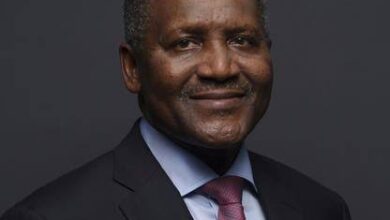
While welcoming the President’s proposed debt relief, airline operators called for a total waiver of all outstanding debts and a temporary suspension of further payments until fuel prices stabilise. Operators also questioned the sharp rise in fuel prices despite relatively lower supply costs from domestic sources, including the Dangote Refinery.
Beyond fuel pricing concerns, airline operators highlighted the challenge of high borrowing costs in Nigeria. They noted that while airlines globally access financing at interest rates of about three percent, Nigerian carriers face borrowing costs ranging between 30 and 35 percent.
To address this, Onyema urged the federal government to strengthen the Bank of Industry to enable airlines access loans at lower interest rates and improve long-term sustainability within the aviation sector.





https://shorturl.fm/9SgHY