
The Federal Government has unveiled plans to strengthen Nigeria’s eastern ports and progressively redirect a greater share of the country’s cargo traffic, in a move aimed at addressing the longstanding imbalance in vessel calls across the nation’s maritime gateways.

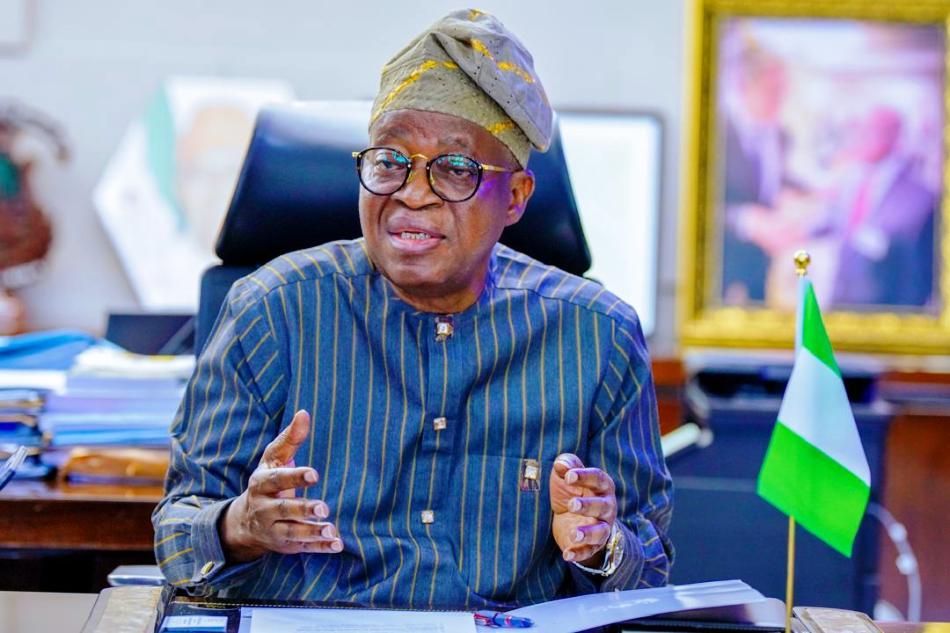
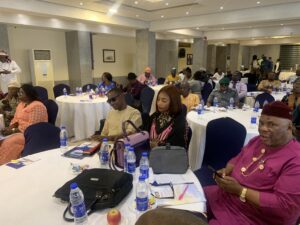
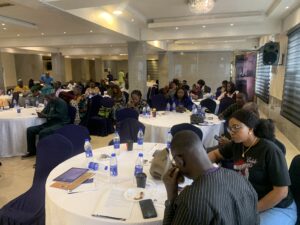
Minister of Marine and Blue Economy, Adegboyega Oyetola, who was represented by the Director of Press in the Ministry, Mrs Anesthesia Ogbonna, disclosed this on Thursday in Lagos at the conference of the League of Maritime Editors, themed “Lagos/Eastern Ports: How to Reverse Existing Imbalance in Disproportionate Cargo Vessel Calls.”
Oyetola said the heavy concentration of cargo and vessel traffic at Lagos ports, particularly Apapa and Tin Can Island, has placed significant pressure on infrastructure and the wider logistics chain, contributing to congestion, prolonged cargo dwell time, vessel turnaround delays, increased demurrage and logistics costs, road pressure and supply chain inefficiencies.
He said eastern ports, including Onne, Onitsha, Warri and Calabar, has considerable potential to serve industrial, agricultural, energy and commercial activities across the Southeast, South-South and other parts of the country, but their competitiveness has been constrained by draft limitations, infrastructure deficiencies, navigational challenges, security concerns, poor hinterland connectivity, inadequate equipment and operational costs.
The Minister said reversing the imbalance is not a regional demand but a national economic imperative, stressing that the modernisation and rehabilitation of eastern ports remain integral to the Federal Government’s port development strategy.
He said interventions would focus on improving channel depth and navigability, rehabilitating critical infrastructure, enhancing navigational safety, upgrading cargo-handling facilities and strengthening security, while citing the reconstruction of breakwaters and channel management interventions, including works along the Escravos Channel, as part of the broader effort.
He explained that addressing the most heavily utilised and severely pressured infrastructure would provide the quickest opportunity to reduce systemic inefficiencies and deliver immediate economic benefits, while warning that simultaneous major reconstruction across the country’s principal western and eastern gateways without adequate alternative capacity could expose the national supply chain to unnecessary risks.
According to him, the Lagos port modernisation programme attained financial and contractual readiness earlier, allowing implementation to commence ahead of some interventions in the eastern ports, but stressed that the sequencing should not be interpreted as neglect of the region.
Oyetola said the long term objective is meant to establish a multi-port system where shipping lines and cargo owners would have viable alternatives and could choose gateways based on efficiency, cost, reliability and proximity to their markets.
To make the eastern ports more attractive, the Minister said government is pursuing measures covering maritime security, navigational safety, operational and commercial incentives, digitisation and stronger multimodal connectivity, while continuing engagements with terminal operators, shipping lines, freight forwarders and cargo owners.

On digitisation, he said the National Single Window, Port Community System and related digital initiatives would improve information sharing, transparency and predictability in cargo clearance, enabling cargo owners to determine their most efficient gateway based on reliable information rather than historical patterns.
He called for stronger private-sector participation in port reconstruction, terminal operations and logistics, stressing that the scale of investment required could not be provided by government alone.






The gameplay here is just different. Much more exciting than the usual sites I visit. Highly recommend giving iddjarumgacor a try
Everything about this site feels premium. From the customer service to the actual gaming experience, it is just flawless. you7777