

Freight Forwarders Dispute Dialogue Claim as Shippers’ Council Urges Engagement Over Tariff Hike

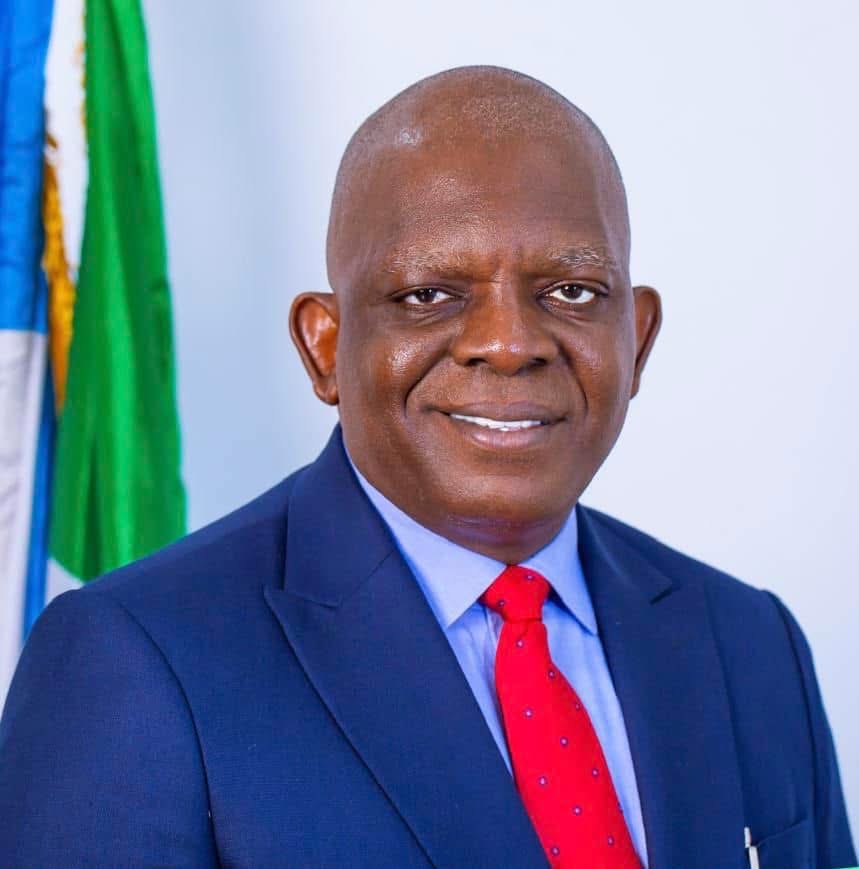
Freight forwarders and licensed customs agents have disputed claims by the Nigerian Shippers’ Council (NSC) that efforts were made to engage them in dialogue, insisting they were never invited by the Council’s Executive Secretary, Pius Akutah, to any meaningful meeting prior to the ongoing protests.
The stakeholders, who have resumed demonstrations over what they describe as an illegal increase in shipping charges, said the narrative of dialogue by the Council does not reflect their experience. According to them, no formal engagement has taken place since their last protest over three months ago.
The renewed protest, which included the picketing of the offices of Mediterranean Shipping Company (MSC), was triggered by the implementation of new tariff rates by shipping companies on March 1, 2026. The aggrieved operators argue that the increase was carried out without consultation, despite earlier assurances that discussions would be held.
However, reacting to the development, Akutah, called on freight forwarders to embrace dialogue as a constructive and modern approach to resolving disputes rather than resorting to industrial action capable of undermining the nation’s economy. He warned that prolonged protests within the maritime sector could disrupt port operations and negatively impact trade and economic activities.
Akutah maintained that the Council had attempted to engage the aggrieved stakeholders in discussions, but the effort was resisted as protesters insisted there was no basis for dialogue. He added that the demonstrators have vowed to continue their action until the increased tariffs are reversed.
He emphasised that dialogue remains the most effective dispute resolution mechanism, describing it as faster, more humane, and more productive than what he termed a “bottled anger approach.” While acknowledging the right of stakeholders to express their grievances, he condemned what he described as unprofessional conduct during the protest, particularly the blocking of regulatory officials from accessing MSC premises to address the matter.
The NSC boss also recalled that during a similar protest over the same tariff increment a few weeks earlier, the Council intervened and compelled MSC to temporarily suspend the disputed charges for two days while discussions were ongoing.
Despite these claims, leaders of the protesting groups insist that the Council’s position does not reflect the reality on ground. Mr. Emmanuel Onyeme, National Publicity Secretary of the Association of Nigerian Licensed Customs Agents (ANLCA), alongside Alhaji Femi Anifowose, Western Zone Coordinator, and Prince Olawale Cole, Chairman of the Tin Can Island Port Chapter, said no genuine effort had been made to bring stakeholders together.
Onyeme explained that the only attempt at engagement was a letter dated February 23, 2026, inviting the association’s leadership to a meeting at the NSC. He said upon arrival, they were informed that the meeting had been cancelled due to the absence of the Executive Secretary, who had travelled to Abuja.
He noted that since that incident, there has been no follow up communication or rescheduling, despite repeated efforts by stakeholders to secure another date for dialogue. According to him, this lack of engagement contradicts claims that the Council has been actively pursuing discussions with affected parties.
The ANLCA spokesman further stated that shipping companies proceeded to implement the controversial tariff increase without any input from stakeholders, raising concerns about transparency and fairness in the decision making process. He also criticized what he described as delayed intervention by the Council, noting that its representatives only attempted to address protesters after months of inaction.






Boostaro is a purpose-built wellness formula created for men who want to strengthen vitality, confidence, and everyday performance.
HeroUP is a premium mens wellness formula designed to support sustained energy, physical stamina, and everyday confidence.
ProDentim is a distinctive oral-care formula that pairs targeted probiotics with plant-based ingredients to encourage strong teeth, comfortable gums, and reliably fresh breath.
Mitolyn is a carefully developed, plant-based formula created to help support metabolic efficiency and encourage healthy, lasting weight management.
PurDentix is a revolutionary oral health supplement designed to support strong teeth and healthy gums. It tackles a wide range of dental concerns
AquaSculpt is a high-quality metabolic support supplement created to help the body utilize fat more efficiently while maintaining steady, reliable energy levels throughout the day.
Gluco6 is a natural, plant-based supplement designed to help maintain healthy blood sugar levels.
Maintaining prostate health is crucial for men’s overall wellness, especially as they grow older. Conditions like reduced urine flow, interrupted sleep
The bodys natural process of skin cell renewal is essential for preserving a smooth, healthy, and youthful-looking complexion.
Arialief is a carefully developed dietary supplement designed to naturally support individuals dealing with sciatic nerve discomfort while promoting overall nerve wellness.
InsuLeaf is a high-quality, naturally formulated supplement created to help maintain balanced blood glucose, support metabolic health, and boost overall vitality.
Manergy is an advanced male vitality supplement created to help support healthy testosterone levels
Prosta Peak is a high-quality prostate wellness supplement formulated with a comprehensive blend of 20+ natural ingredients and essential nutrients to support prostate health
Nitric Boost Ultra is a daily wellness formula designed to enhance vitality and help support all-around performance.
ProstAfense is a premium, doctor-crafted supplement formulated to maintain optimal prostate function, enhance urinary performance, and support overall male wellness.
NerveGenics is a naturally formulated nerve-health supplement created to promote nerve comfort, cellular energy support, antioxidant defense
NerveCalm is a high-quality nutritional supplement crafted to promote nerve wellness, ease chronic discomfort, and boost everyday vitality.
GL Pro is a natural dietary supplement formulated to help maintain steady, healthy blood sugar levels while easing persistent sugar cravings.
NativeGut is a precision-crafted nutritional blend designed to nurture your dog’s digestive tract.
MounjaBoost is a next-generation, plant-based supplement created to support metabolic activity, encourage natural fat utilization
Kerassentials is an entirely natural blend crafted with 4 potent core oils and enriched by 9 complementary oils and vital minerals.
Prostadine concerns can disrupt everyday rhythm with steady discomfort, fueling frustration and a constant hunt for dependable relief.
AquaSculpt is a high-quality metabolic support supplement created to help the body utilize fat more efficiently while maintaining steady, reliable energy levels throughout the day.
The bodys natural process of skin cell renewal is essential for preserving a smooth, healthy, and youthful-looking complexion.
Visium Pro is an advanced vision support formula created to help maintain eye health, sharpen visual performance, and provide daily support against modern challenges such as screen exposure and visual fatigue.
ViriFlow is a dietary supplement formulated to help maintain prostate, bladder, and male reproductive health. Its blend of plant-based ingredients is designed to support urinary comfort and overall wellness as men age.
kskmkx