


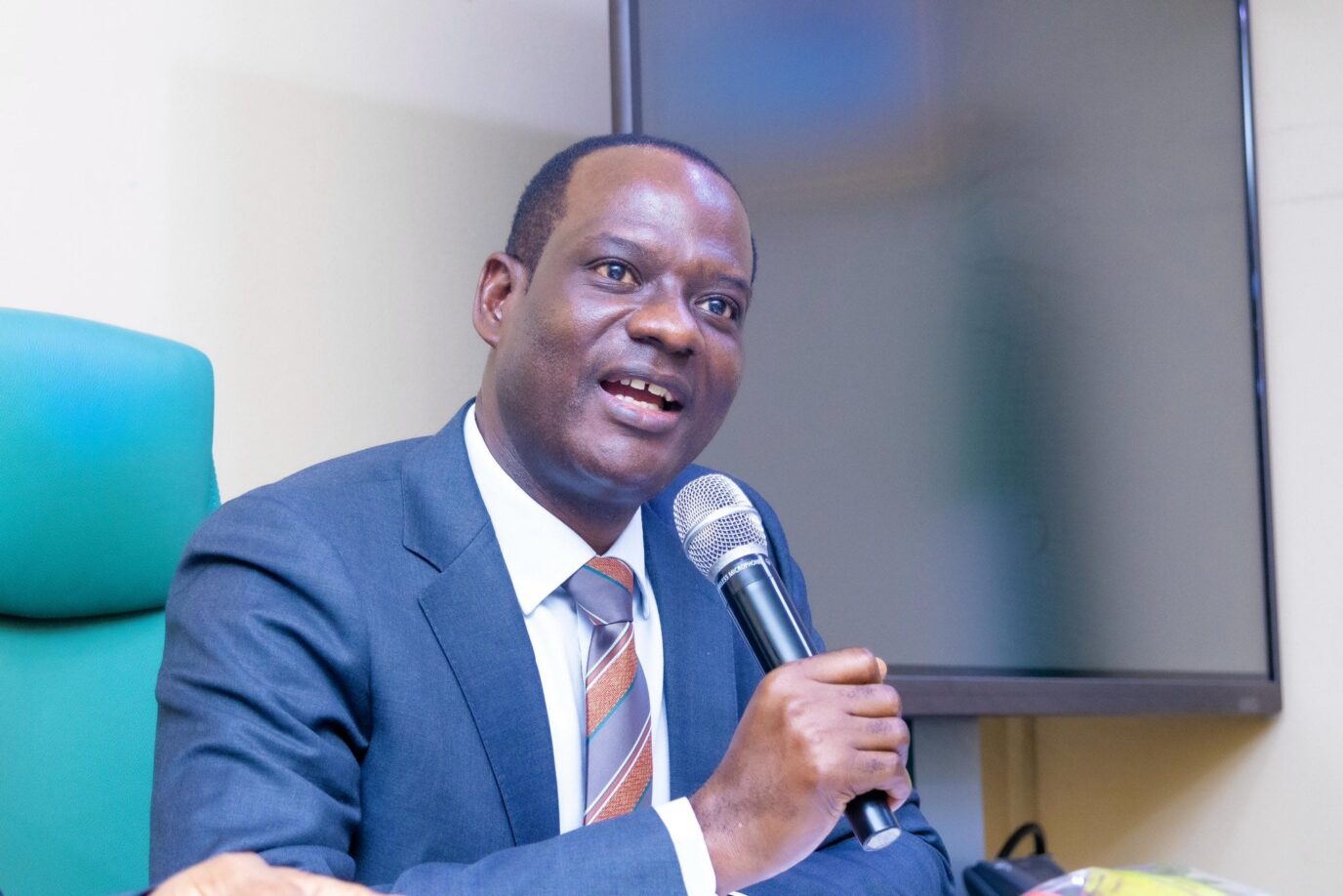
The Federal Government has reaffirmed its commitment to building a tax system that promotes economic growth, attracts investment and creates jobs as part of efforts to achieve a $1 trillion economy by 2030.


The Honourable Minister of Finance and Coordinating Minister of the Economy, Taiwo Oyedele, stated this at the 2026 Annual Conference and Awards organised by the Finance and Business Online Publishers Association (FiBOP), while reiterating the government’s position that Nigeria’s ongoing tax reforms are designed to tax prosperity rather than poverty.
Oyedele, who was represented by his Special Adviser on Revenue, Michael Olufemi Olarinde, emphasised that the reforms were aimed at creating a fairer and more efficient tax system that would support businesses, encourage investment and drive sustainable economic development.
He noted that taxation should serve as a tool for economic transformation rather than impose unnecessary burdens on citizens and businesses.
The minister’s remarks underscore the Federal Government’s determination to use tax reforms to strengthen the economy, expand productive activities and create an enabling environment for businesses to thrive.
Oyedele also highlighted the roles of fintech, insurance, trade and the capital market in building a stronger economy.
Digital financial services, he said, can reduce transaction costs, widen access to financial services and improve tax administration. Insurance can protect businesses and households against risks, safeguard productive assets and mobilise long-term funds for investment.
Trade facilitation and export development, meanwhile, can help Nigerian businesses reach larger markets across Africa and beyond.
He described these sectors as interconnected components of economic growth: investment expands production, production creates jobs, employment raises incomes, technology improves efficiency, insurance protects assets, and trade opens access to new markets.
For Nigeria to achieve its ambition, these relationships must translate into increased productivity, stronger businesses and broader economic opportunities.
The government believes that a well-structured tax system will play a critical role in mobilising revenue, stimulating private-sector investment and advancing Nigeria’s ambition of building a $1 trillion economy by 2030.





One Comment