

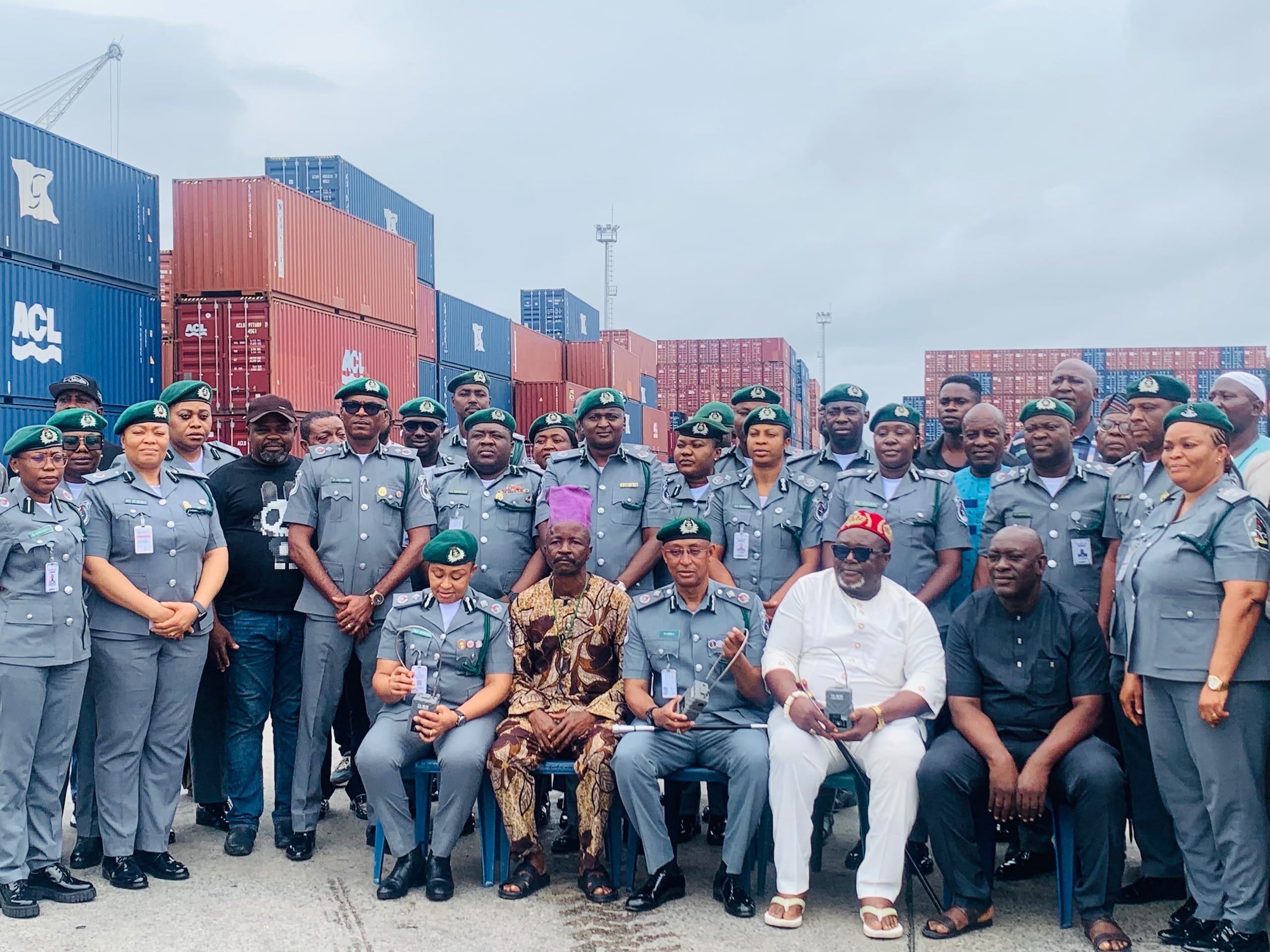
The Port & Terminal Multiservices Limited (PTML) Area Command of the Nigeria Customs Service (NCS) has hosted a sensitisation and flag off workshop on the deployment of the Electronic Cargo Tracking System (ECTS), marking the Command as the second pilot location for the initiative following its successful rollout at Apapa Area Command.
Speaking at the event, the Acting Controller of Command , Deputy Comptroller Nura Miko said, the deployment of the ECTS represents another milestone in the Nigeria Customs Service’s digital transformation drive aimed at improving cargo monitoring, strengthening revenue assurance and facilitating legitimate trade.
Miko said PTML’s selection as the second pilot command reflects the strategic role the Command plays in national revenue generation and trade facilitation.
He noted that the initiative aligns with the reform and modernisation agenda of the Comptroller General of Customs, Bashir Adewale Adeniyi, to position the Service as a technology driven, transparent, efficient and globally competitive institution in line with the principles of 21st Century Customs.

The Acting Controller explained that the movement of cargo on transit to bonded terminals, other Customs Commands and Free Trade Zones had traditionally relied on physical escorts by Customs officers. However, he said the growing volume of trade has made the practice increasingly difficult to sustain, leading to operational delays, manpower constraints and vulnerabilities in cargo movement.
According to him, the system will provide Customs with end-to-end visibility of cargo movement, trigger instant alerts in cases of route deviation, seal tampering and unauthorised stops, optimise manpower deployment by replacing physical escorts, enhance revenue assurance by blocking leakages and generate intelligence to strengthen risk management and compliance.
He added that the ECTS will also deliver significant benefits to stakeholders through faster cargo clearance and delivery, reduced logistics costs and demurrage, predictable transit times, and improved transparency and security of consignments throughout their movement.
The Acting Controller said the workshop was organised to sensitise stakeholders on the procedures, responsibilities and expectations under the Electronic Cargo Tracking System regime, urging importers, licensed customs agents, terminal operators and other stakeholders to embrace the initiative and support its successful implementation.




He also commended the CGC and the Customs Management Team for their commitment to the digitalisation of Customs processes and thanked stakeholders for their continued partnership with the Service.

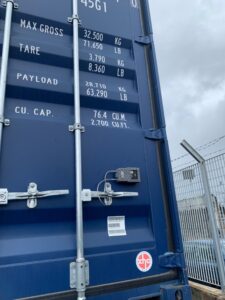
Delivering a presentation on the ECTS, the Officer-in-Charge of ECTS, Chief Superintendent of Customs Rosemary Ebere Wenceslas, described the platform as a web-based solution designed to provide real-time monitoring of cargo under Customs control from the point of departure to its approved destination. She explained that the system leverages secure technologies, including Global Positioning System (GPS), smart electronic seals and other approved monitoring solutions to ensure end-to-end visibility of cargo movement while replacing the traditional system of physical Customs escorts with electronic surveillance.
Wenceslas explained that the ECTS operates through smart electronic seals that digitally secure containers and continuously report their status in real time. According to her, the system tracks the exact location and speed of cargo and automatically generates alerts whenever there are route deviations, seal tampering or unauthorised stops.


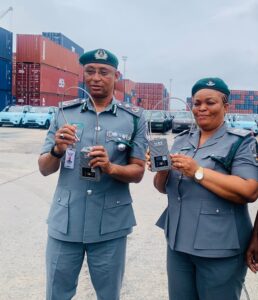
Highlighting the importance of the initiative, she said the implementation of the ECTS would enhance cargo security, promote transparency across the supply chain, facilitate faster Customs clearance for compliant traders, reduce opportunities for cargo diversion and fraud, and improve coordination among Customs, logistics operators and other government agencies.
On the legal framework supporting the initiative, Wenceslas said the ECTS is backed by international instruments, including the World Customs Organization’s Revised Kyoto Convention, the SAFE Framework of Standards, the WCO Cargo Targeting System, the WCO Transit Guidelines and the World Trade Organization’s Trade Facilitation Agreement. She added that the Nigeria Customs Service Act, 2023 also provides domestic legal backing for the deployment of the system, particularly through its provisions on electronic systems, information technology and risk management, thereby reinforcing the Service’s drive towards technology enabled Customs administration.








One Comment