
How I Navigate Through Leadership Responsibilities , Breaking Barriers in Maritime Sector — Dr. Anyika

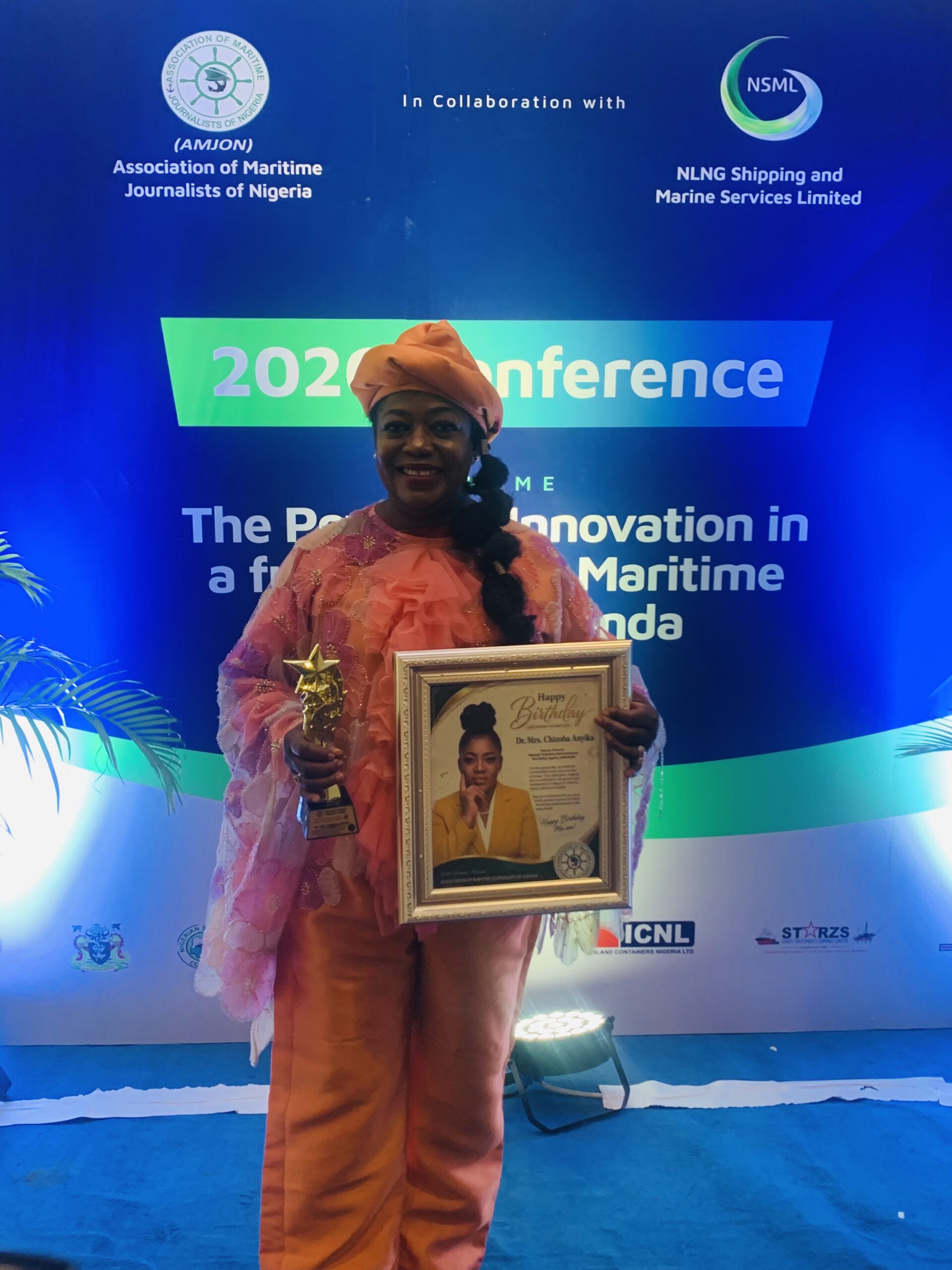
In this interview, Dr. Chizoba Christiana Anyika speaks about her journey in a traditionally male dominated sector, the challenges and lessons that have shaped her as a woman in leadership, as well as the importance of mentorship and continuous professional development. Her dedication to the maritime sector recently earned her recognition from the Association of Maritime Journalists of Nigeria (AMJON), which honoured her for her distinguished leadership and outstanding work in maritime safety, transport logistics and the blue economy.
(Q) May we know you ?
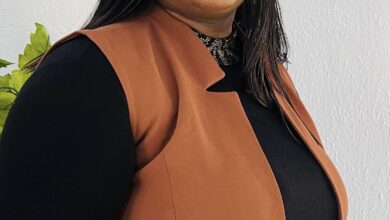
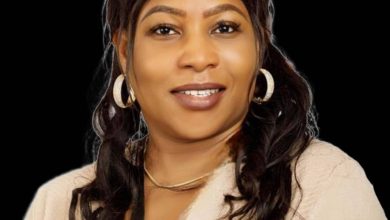
My name is Dr. Chizoba Anyika, Deputy Director at the Nigerian Maritime Administration and Safety Agency (NIMASA).
(Q) How does it feel to be honoured for your distinguished leadership and outstanding contributions to the maritime sector, and what does this recognition mean to you personally and professionally?
Honestly, I feel very humbled and elated to receive this award. I’m truly grateful for the recognition because it means that the work we are doing is being seen and appreciated. For me, this recognition is also a motivation to do even more. It reassures me that we are on the right path and encourages me to continue giving my best and making meaningful contributions through my work.
(Q)The maritime industry is one area where you are making significant strides. How do you assess the level of female participation in the sector?
The maritime sector is very wide, vast, and elaborate, with opportunities spanning shipping, marine tourism, marine ecosystems, maritime environmental management, safety, labour, and seafaring.
I was the Secretary General of the Women’s International Shipping and Trading Association (WISTA) , an international body with a Nigerian chapter. Women are making significant efforts to increase their participation and visibility in the sector, and we also have a lot of “HeForShe” advocates who are supporting women in maritime.
There are prospects for women in the industry, and we encourage them to look beyond their daily responsibilities and the conventional nine-to-five job, and seek opportunities to add more value to the sector. We have female leaders who have answered the call, and many others who are willing to mentor and guide the younger generation. This is helping to build a strong succession and mentorship pipeline for women and girls in the maritime sector.
(Q) Aside from WISTA, we know you are also very active in CIoTA (Chartered Institute of Transport Administration of Nigeria). Do you have any “Catch Them Young” programmes for girls through CIoTA and WISTA?
Yes, I am the current National Publicity Secretary of CIoTA. I am also the Vice President of Women in Energy, Oil and Gas, as well as the Vice President of the Nigerian Institute of Shipping.
A lot of work is being done through WISTA to support and empower women. For instance, we select and sponsor the best graduating cadets from the Maritime Academy of Nigeria, Oron. We provide them with further training and support to help them develop their careers in the maritime industry.
In addition to supporting those coming into the profession, we also reach out to women in rural communities. We visit villages and provide fishing nets and other forms of support to fisherwomen, entrepreneurs and women-owned SMEs to help them improve their businesses and livelihoods.
So, our interventions go beyond the professionals working in offices. We extend from the academy, where we are nurturing the next generation, to the grassroots, where we support women who are already contributing to the maritime economy in their communities.
(Q) Talking about yourself, what was growing up and building your career in the maritime industry like, step by step, as a woman?
Well, I will start by saying that I grew up as the only female among five men. So, from an early age, I was accustomed to being in environments where I had to hold my own. Getting into a profession that is predominantly male, however, comes with its own challenges, particularly conscious and unconscious bias.
Personally, I have experienced situations where, as a younger woman, it was difficult to lead men, especially men from more traditional backgrounds who may not readily accept being led by a younger woman. In such situations, you have to employ emotional intelligence and draw from your leadership and management skills.
When I was the Port Service Controller at Tin Can Island Port, I experienced firsthand the kind of bias you read about in books. It taught me that, as a woman in leadership, you have to know how to navigate difficult situations, manage people and, most importantly, regulate yourself.
There will be situations where things do not go the way they are supposed to, but instead of reacting emotionally, you learn to respond appropriately. That has been one of the most important lessons I have learnt in my journey as a female leader in a predominantly male environment: leadership requires patience, emotional intelligence, self-control and the ability to bring people along with you.
(Q) What message would you like to share with young women who aspire to build successful careers in the maritime, logistics and blue economy sectors?
My message to young women who aspire to build successful careers in the maritime, logistics and blue economy sectors is that they should be ready to learn and continuously invest in themselves.
I always tell my daughter, who is studying Law and is interested in the maritime sector, that you have to research extensively and get a mentor. You cannot do it alone. I have quite a number of mentees myself, and I have seen how important mentorship is in helping young women navigate their careers.
There are also men who are very supportive of women and are willing to guide, coach and mentor the girl child. So, don’t be afraid to reach out, ask questions and build relationships with people who are already doing well in the industry.
I strongly advocate for COPD (Continued Personal and Professional Development) because it is critical. Invest in learning, invest in research and invest in yourself. Use platforms like LinkedIn to connect with women and other professionals who are making an impact in the sector. Learn from their experiences and look for areas where you can make a difference.
There are so many opportunities in the maritime and blue economy space, particularly in areas such as marine tourism and ecotourism. I started a podcast on marine tourism because I believe it is an area with enormous potential that we need to pay more attention to.
So, my advice to the young woman is: train yourself to see opportunities where others may only see challenges. Ask yourself, “What gap can I fill? What value can I add?”
The more value you add, the more visible your impact becomes, and the more opportunities you create for yourself. It can also open doors for partnerships, sponsorship and financial support.
Above all, find a mentor. I have young women whom I guide, and I share with them not only my successes but also the mistakes I have made and the lessons I have learnt throughout my leadership journey. I want them to learn from those experiences and navigate their own paths with greater confidence.

Been using this service for nearly a year and the consistency is impressive. Bonuses arrive on schedule and the loyalty rewards actually match my activity level. I appreciate how they keep improving the platform based on user feedback. A solid pick for anyone who values stability. vnhb88com
Such a fun vibe on this platform! I love how the slots feel and the bonuses keep me coming back. I’m really enjoying my time at phjililove.
Super friendly community and great game selection. I’ve tried many sites but this one feels the most honest. Five stars for kk77bet.
Really impressed with the security and the ease of depositing funds. It feels safe and professional which is all I care about. Check out cpc88login for a secure bet.