
Customs Sensitises Stakeholders on National Single Window HS Code Harmonisation, Eases Cargo Clearance

The Nigeria Customs Service (NCS), in collaboration with the National Single Window (NSW), has sensitised stakeholders on the Harmonised System (HS) Code Harmonisation Programme, as part of measures to improve cargo clearance and trade facilitation.
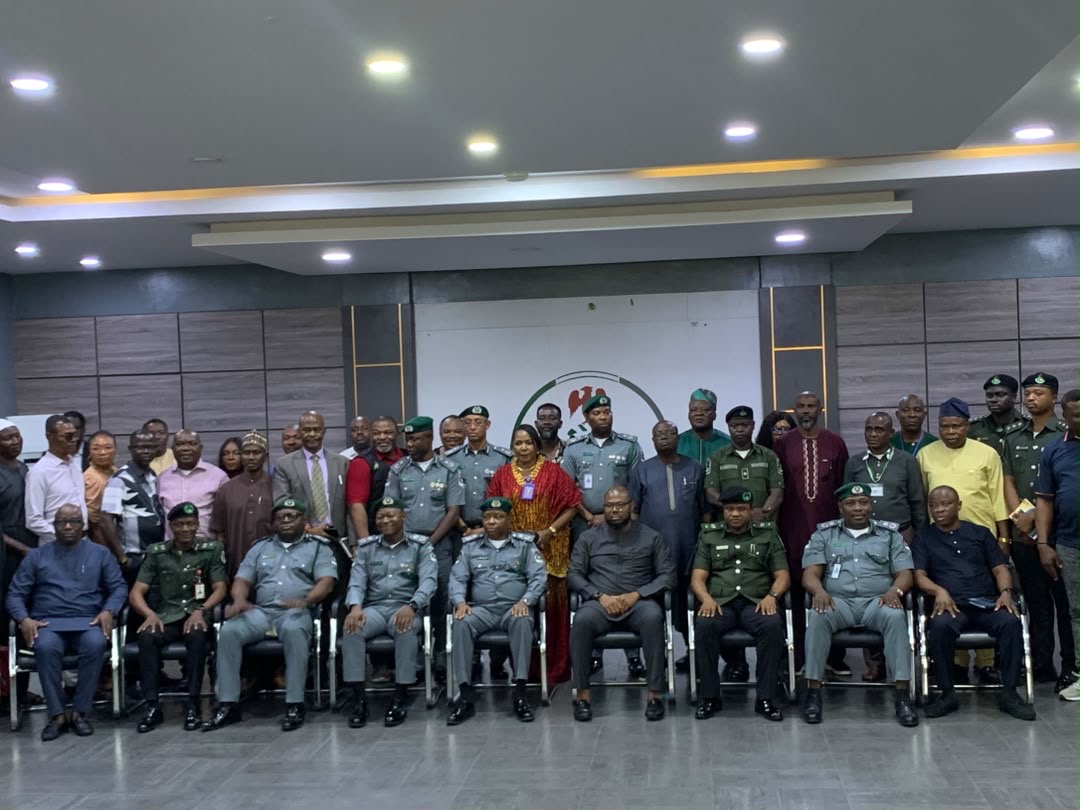
The sensitisation programme, held at the Apapa Area Command on Thursday, October 8, 2026, brought together Customs officers, importers, exporters, customs agents and other relevant stakeholders. Speaking at the event, the Acting Zonal Coordinator, Zone A, Comptroller K.M. Umar, described the engagement as an important platform for promoting a common understanding of HS Code classification and strengthening trade facilitation.
Umar commended the Comptroller-General of Customs, Bashir Adewale Adeniyi, for his visionary leadership and commitment to the modernisation of the NCS, particularly his support for reforms, trade facilitation and continuous stakeholder engagement.
He said the HS Code is an important tool for the global classification of goods in international trade, noting that its harmonisation would promote transparency, improve compliance, reduce delays and facilitate seamless cargo clearance at ports and borders. He added that the NSW would provide an electronic platform for government agencies and trade stakeholders to improve information sharing, strengthen coordination and make trade processes more efficient.
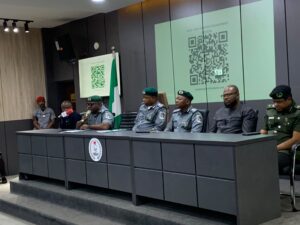


Umar expressed confidence that recommendations from the session would provide clearer procedures and a more consistent approach to goods classification. He assured stakeholders that Zone A would continue to support the NSW programme and other initiatives aimed at improving customs administration and promoting legitimate trade.
The Customs Area Controller, Apapa Area Command, Comptroller Murtala Muazu, who also spoke at the engagement, said the presence of the NSW team is important in keeping the trading community abreast of the transformations, adjustments and reconfigurations introduced along the cargo clearance corridor.
He said the progress recorded since the inception of the programme places a responsibility on the Secretariat, Customs and other participating agencies to ensure that trading communities were adequately informed about developments within the clearance process.
Comptroller Muazu stressed the need for continuous communication between government agencies and the trading community, noting that changes in customs procedures and goods classification could directly affect importers, exporters, customs agents and other port users. He added that regular stakeholder engagement would promote better understanding of the reforms and support their effective implementation across the cargo clearance corridor.
Director of Operations, NSW Secretariat, Mr. Peter Ekunkoya, who represented the Director of NSW, Mr. Tola Falolade , said the engagement is one of several stakeholder sessions being held to gather feedback as the country transitions to the Single Window system. He said the platform, launched about six months ago, had moved beyond its initial turbulent phase, with the last three months witnessing greater stability as a result of collaboration among Customs officers, government agencies, the trading community and service providers.
Ekunkoya, however, said the NSW is still at an early stage of development and would continue to require feedback and support from stakeholders. He assured participants that the Secretariat would sustain engagements and improvements, particularly as the platform moves into its second phase with the onboarding of export and additional regulatory agencies.

Usman Aminu, a member of the National Single Window team, said in a presentation that the HS Code harmonisation exercise is undertaken by a committee of government agencies led by the Nigeria Customs Service, with participation from the Standards Organisation of Nigeria (SON), NAFDAC, NESREA, NEPZA and other agencies. He said the committee reviewed the agencies’ mandates, relevant legislation and international conventions to streamline the regulation of goods under the HS Code.
Giving an update on the progress of the NSW, Aminu said in his presentation that the platform has issued over 840,000 licences, permits and certificates through SON, NAFDAC, NAQS and NESREA within six months, while more than 12,000 users have been onboarded. He added that about 37 airlines and 56 shipping line agencies have also been onboarded, while over 900 users have received training, noting that the second phase of the project, focused largely on non-oil exports, is expected to go live by the end of the year.
On the outcome of the harmonisation exercise, Aminu said that more than 76% of the HS Codes initially reviewed were regulated by four or more agencies, while the exercise has reduced the proportion to about 75% being regulated by a single agency. He said the change would reduce duplication, documentation, processing time and costs for traders, adding that the harmonised list would be published and implemented on the relevant platforms for stakeholders to consult before processing their shipping formalities.







One Comment