
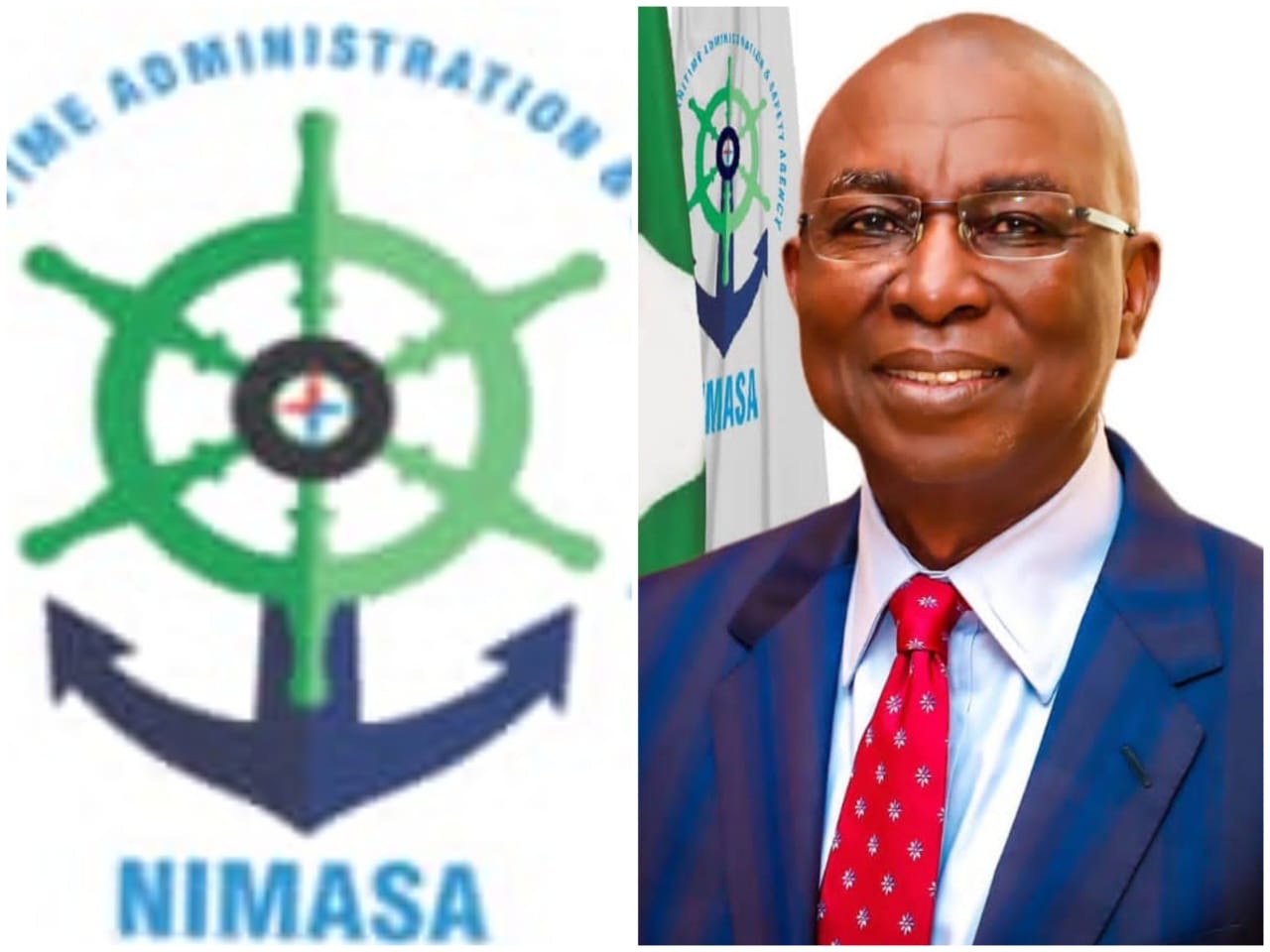
The Nigerian Maritime Administration and Safety Agency (NIMASA) has stepped up enforcement of cabotage rules, directing operators in coastal and inland shipping to use vessels that meet Nigerian ownership, registration, manning and construction requirements.This was contained in a press release issued in Lagos by the agency
According to the release,signed by Edward Osagie,NIMASA Head of Public Relations,the agency said the move is set out in a marine notice issued under the NIMASA Act 2007 and the Coastal and Inland Shipping (Cabotage) Act 2003, together with existing cabotage regulations and guidelines. The notice takes immediate effect.
What operators must do
Anyone needing a vessel for cabotage work must now use ships that:
meet applicable Nigerian ownership, registration, manning and construction rules; andare entered in the Special Register for Vessels and Ship Owning Companies Engaged in Cabotage.
Vessel owners, operators, charterers, managers and other stakeholders must also keep statutory certificates, licences, registrations and other required documents valid.
As a rule, cabotage vessels must be wholly owned by Nigerian citizens, registered in the special cabotage register, manned by Nigerians and built in Nigeria.
Foreign or otherwise non-compliant vessels may be used only where NIMASA has confirmed that the required Nigerian capacity is not available and that the statutory conditions for a waiver have been met.
Jobs and local capacity
NIMASA said it will keep monitoring compliance with the Cabotage Act and its guidelines “in a bid to entrench maritime governance and ensure that jobs meant for Nigerians are not outsourced.”
The agency framed the notice as part of a wider push to raise indigenous participation in domestic and international shipping, grow local maritime capacity, and make cabotage trade contribute more to Nigeria’s economy.
Why it matters
Nigeria’s Cabotage Act of 2003 reserves coastal and inland shipping for Nigerian-owned, Nigerian-registered, Nigerian-manned and, where required, Nigerian-built vessels, with waivers only when local capacity is lacking. Enforcement has long been uneven, and foreign-owned tonnage has remained prominent in offshore support and coastal logistics.

The new marine notice does not create a new law. It signals that NIMASA intends to apply the existing four tests — ownership, registration, manning and build — more strictly, and that operators who cannot show Nigerian capacity will have to justify any exception to the regulator before deploying non-compliant ships.









One Comment