
INTERVIEW: How We’re Bridging the Maritime Gender Gap Through Education, Exposure, Inclusion- Williams

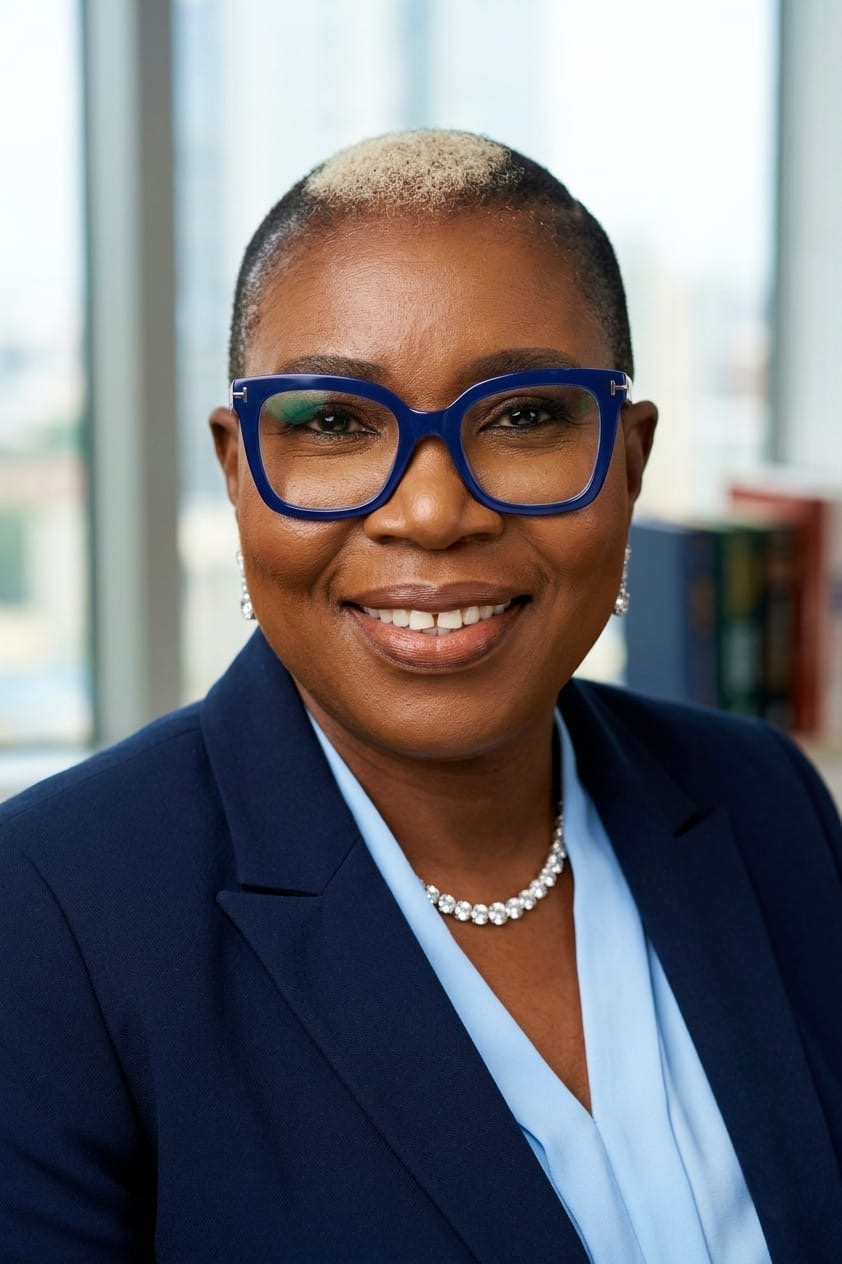
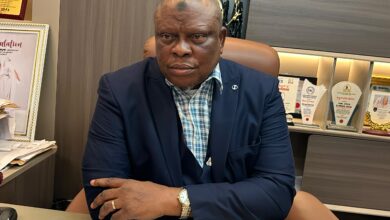
The maritime industry is witnessing a gradual but significant shift driven by education, exposure, and intentional inclusion. At the forefront of this transformation is Hon. Olaitan Williams, President of the Ocean Ambassadors Foundation, whose organisation is redefining how young Nigerians, especially girls are introduced to opportunities within the blue economy. In this exclusive interview, she shares insights on the importance of gender inclusion, and her vision for a more sustainable and inclusive maritime future.
(Q) May we meet you?
My name is Honorable Olaitan Williams, and I serve as President of the Ocean Ambassadors Foundation. A foundation that adopts a bottom-up approach within the maritime industry, focusing on a catch them young initiative that introduces younger generations to maritime career opportunities, thereby promoting the long term sustainability of the sector.
I previously served as a Board Member of the Nigerian Shippers’ Council and was also a member of the Blue Economy Committee established by the immediate past administration.
(Q) As President of the Ocean Ambassadors Foundation, can you give us an overview of the organisation and its key contributions to the maritime industry?
Over the past nine years, we have focused on creating career opportunities for young people in the maritime sector. We organise educational visits to seaports and have also taken participants beyond Nigeria to places like Ghana and Banjul, so they can gain broader exposure to port operations and logistics.
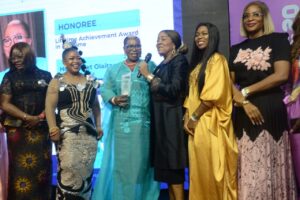
Within Nigeria, we host a nationwide Marine and Blue Economy Quiz Competition every October, with a special focus on the girl child. This initiative is designed to bridge the gender gap in the industry by encouraging young girls to explore maritime careers early on. While participation is open to both boys and girls, about 80% of our participants are girls, while 20% are boys, reflecting our deliberate effort to empower more young females in the sector.
As a result, we are beginning to see tangible outcomes. We now have beneficiaries pursuing careers as marine engineers, maritime lawyers, marine insurers, and in nautical science. Some of these young talents have received sponsorships from key stakeholders one through NIMASA’s SDPP programme to study in India, two sponsored by NPA, and three currently supported by APM Terminals, who are still in university.
Our work is about creating access to opportunities and building a pipeline of skilled professionals to sustain the future of the maritime industry.
(Q) How has this journey shaped your perspective on leadership as a woman in the maritime sector?
As a woman, I was motivated to start this initiative after recognising the significant gender gap in the maritime industry. My goal has been to help bridge that gap by creating opportunities for more women to participate and thrive. As a female leader in the maritime space, it is clear that greater inclusion is needed, and we are actively working to drive that progress.
(Q) Your foundation has implemented several programs. What immediate, medium, and long term impacts are these initiatives expected to have on the maritime industry and the broader economy?
As I mentioned earlier, the maritime quiz is a continuous, long term initiative that we organise annually, and we remain optimistic about sustained support from our sponsors. Beyond the quiz, we run engagement programmes three times a year, exposing participants to key sectors within the maritime and logistics value chain.
This year, for instance, we are taking participants to the Nigerian Railway Corporation as part of our focus on supply chain and logistics. In May, they will visit APM Terminals, and in September, the Lekki Deep Sea Port. These activities form part of our mid-term engagements, which we organise ahead of the annual quiz.
We also place strong emphasis on capacity building through our Educators’ Seminar, recognising that teachers must first be equipped with the right knowledge to guide students toward careers in the maritime industry.
In addition, we run a policy focused programme known as The Discourse “The Renaissance of Ehingbeti in the Blue Economy.” This initiative highlights the importance of harnessing the low hanging opportunities within Nigeria’s blue economy, particularly across the 28 inland waterways states, where vast resources remain largely untapped.
Over the past four years, The Discourse has examined key issues within the sector, and this year, we are focusing on developing a policy framework. This is crucial because the growth of the blue economy must be guided by clear policies and legal structures that can serve as a blueprint for agencies such as NIWA and other stakeholders.
A well structured inland waterways system will not only unlock economic opportunities and create sustainable livelihoods, but also enhance security. When properly integrated into the system, local communities can play a role in safeguarding waterways, reducing illegal activities, and contributing to national development as it will boost internally generated revenue and strengthen the country’s economic base.
(Q) Let’s talk about gender inclusion. Do you believe women are adequately represented across various levels of the sector? What more can be done to improve inclusivity and opportunities for women?
Like any other profession, building a career whether in journalism or maritime is not easy, especially for women. It requires resilience, determination, and often going the extra mile. Women must be prepared to put in even greater effort to excel and compete effectively.
Rather than seeking sympathy, the focus should be on capability and performance. The girl child must be encouraged to confront challenges, question limitations, and rise above existing barriers. We have outstanding women in the industry such as Mrs. Dabney Shall-Homa, Mrs. Ifeyinwa Akerele, Barr. Mfon Ekong Usoro , Chief Mrs. Jean Chiazor Anishere,SAN, Barr. Funmi Folorunso, Mrs. Adedoyin Rhodes-Vivour, SAN, and Mrs. Funke Agbor, SAN who have distinguished themselves by competing favourably with their peers and earning their place through hard work and excellence.
For women in the maritime sector, we must support one another, remain steadfast, and continue to push forward. As more women rise through the ranks, they create pathways for others to follow, helping to close the gender gap. This is the vision that drives Ocean Ambassadors Foundation to bridge that gap and build a strong pipeline of empowered female professionals in the industry.
(Q) As a leading female voice in the industry, what advice would you give to young women aspiring to build successful careers in the maritime and relatedfield?
We now have remarkable milestones, including Africa’s first female tugboat pilot, as well as many young women who are excelling in the seafaring space. We also have leaders like Iroghama ogbeifun, a board member of NIMASA and Director General of the Chamber of Shipping, Mrs. Vivian Chimezie-Azubuike who serve as strong role models for the next generation.
These women represent a growing pool of succession leaders for the girl child in the maritime industry. Their achievements show what is possible and highlight the importance of continued support and collaboration. This is why women focused associations such as Women’s International Shipping & Trading Association (WISTA), Women’s International League of Maritime (WILAT), Women in Maritime Africa (WIMA), Women in Maritme and Energy ( WIME) and Women in Maritime Organisations of West and Central Africa (WIMOWCA) are so vital they provide platforms for engagement, mentorship, and collective growth.
The maritime industry still needs more women. We must come together, support one another, and actively encourage the girl child to participate. By doing so, we can ensure that the blue economy thrives, remains sustainable, and continues to deliver meaningful opportunities for future generations.



ig6mnv
tpequh
y7drn0
elqzmv
t6a9sh