
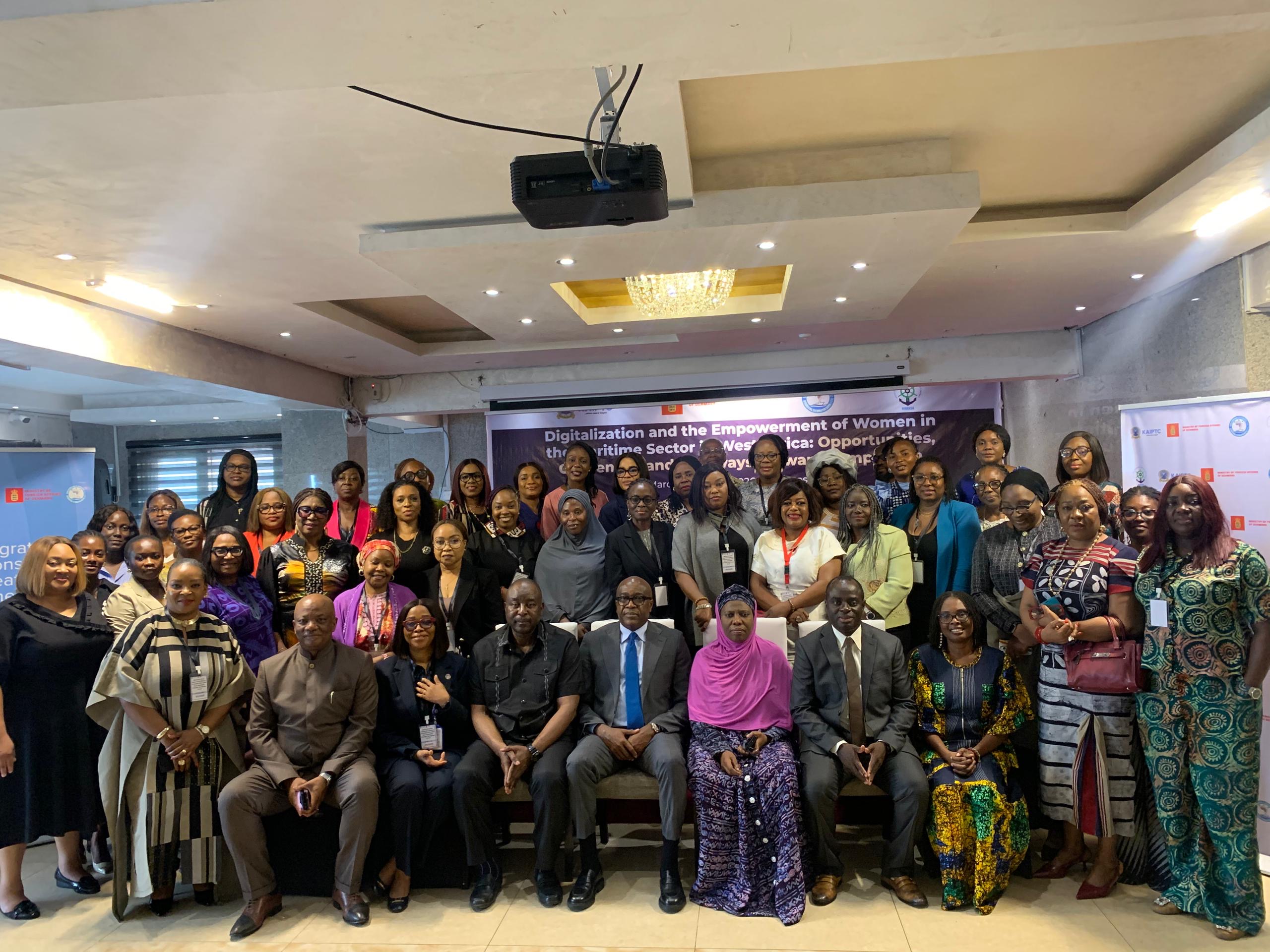
The Nigerian Maritime Administration and Safety Agency (NIMASA) and the Kofi Annan International Peacekeeping Training Centre (KAIPTC) have reiterated the need to leverage digitalisation to expand opportunities for women and promote inclusive growth in the maritime sector across West Africa.
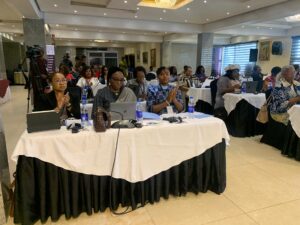
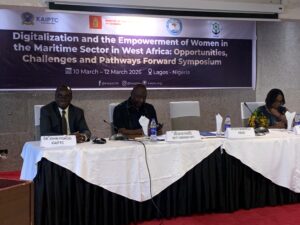
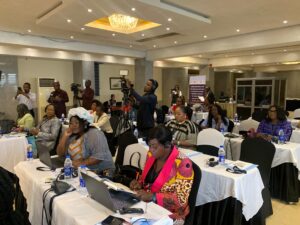
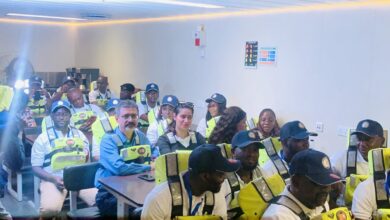
This position was highlighted at a symposium organised by KAIPTC in collaboration with NIMASA themed “Digitalisation and the Empowerment of Women in the Maritime Sector of West Africa: Opportunities, Challenges and Pathways Forward,” held in Lagos.
Speaking at the event, the Executive Director of Finance and Administration, Mr Chude Offodile who represented the DirectorGeneral of NIMASA, Dayo Mobereola, said digitalisation is rapidly transforming the global maritime industry and creating new pathways for skills development and innovation.
He noted that technological advancement is reshaping how ships operate, how ports function, and how maritime administrations regulate and deliver services.
According to him, the increasing adoption of automation, smart logistics, and advanced data systems across the maritime sector has significantly altered the operational landscape of the industry worldwide.
He, however, noted that despite the opportunities created by digital transformation, women remain significantly underrepresented in many operational and technical areas of the maritime sector across West Africa.
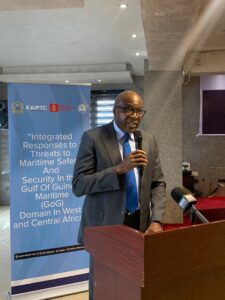
Mobereola stressed that the disparity represents untapped talent and lost opportunities for inclusive growth, adding that empowering women in the maritime industry is critical to unlocking the region’s blue economy potential.
He explained that digital technologies are gradually dismantling traditional barriers that once limited women’s participation in maritime careers by shifting the industry’s focus from physical strength to intellectual capacity, innovation, and technical expertise.
The DG urged participants to utilise the symposium as a platform to develop practical strategies and collaborative frameworks that will enhance women’s participation in the maritime industry and position West Africa as a leader in gender-inclusive digital maritime development.
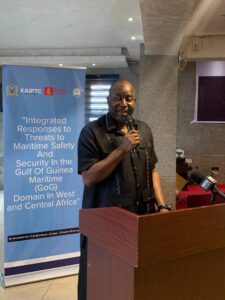
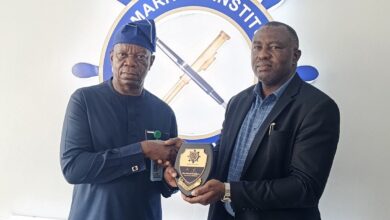
Also speaking, the Deputy Commandant of the KAIPTC, Zibrim Bawa Ayorrogo, stressed the need to empower women to play greater roles in the digital transformation of maritime security in the Gulf of Guinea. Ayorrogo, who represented the Commandant of the Centre, David Akrong, said the theme of the symposium aligns closely with KAIPTC’s mission of promoting peace, security and sustainable development in the region.
He disclosed that since 2021, KAIPTC has elevated issues relating to women by establishing a dedicated department focused on women and youth in the peace and security domain, noting that the initiative is aimed at strengthening inclusive participation in security governance across the region.
Ayorrogo noted that the Gulf of Guinea remains a maritime domain of immense strategic importance, serving as a major hub for international trade and natural resources, but continues to face complex security challenges including piracy, illegal fishing and trafficking.
According to him, digital transformation presents an opportunity to enhance maritime domain awareness, strengthen coordination among security agencies and improve response capabilities, adding that women must be empowered to lead and innovate within the evolving technological ecosystem shaping maritime security operations.
He further called on governments, industry stakeholders, academia and civil society to work together to address gaps in access to digital infrastructure and technical education, stressing that empowering women through digital transformation is essential for strengthening maritime security and promoting sustainable development in the Gulf of Guinea.
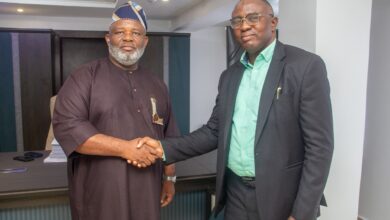
The Director of the Department of Applied Research and Innovation in Peace and Security (DARIPS), Dr. Emma Birikorang, highlighted the growing role of technology, research, and collaboration in advancing peace and maritime security across West Africa and the African continent. She explained that the institution’s renewed mandate focuses on championing peace and security through its Technology and Security Programme, which examines emerging issues such as artificial intelligence, cybersecurity, social media dynamics, and coordinated responses to evolving security threats.
According to her, maritime security in the Gulf of Guinea is one of the programme’s major strategic priorities. The initiative also addresses small arms and light weapons control, artificial intelligence and cybersecurity governance in Africa, while providing technical support to the office of Ghana’s Special Envoy to the Alliance of the Sahelian States and West Africa.
Birikorang explained that the organisation drives its impact through three key tools: experiential research, capacity development through training, and dialogue platforms that bring stakeholders together. Through research, the institution engages directly with communities and practitioners to understand security realities, while training programmes help build the capacity of professionals across the region. She added that the centre also leverages its extensive network developed over more than two decades to convene actors from different sectors and countries to strengthen cooperation on security issues.
She further recalled that the initiative on women in maritime security began in 2019 at a time when piracy incidents in the Gulf of Guinea were at a peak. The programme was designed to strengthen inter-agency collaboration by creating a platform where actors involved in maritime security from defence and civil authorities to search and rescue and disaster management agencies could work together.



One Comment