
Shipwrecks or Goldmines? Nigeria’s Multibillion Naira Untapped Maritime Waste-to-Wealth Opportunity

By Feyisola Adeyeha
- Urgent Safety Case for Wreck Removal
- Why Nigerian Waters Become Home to Unknown Owners’ Wrecks
- Experts Blame Lack of National Policy on Wreck Removal
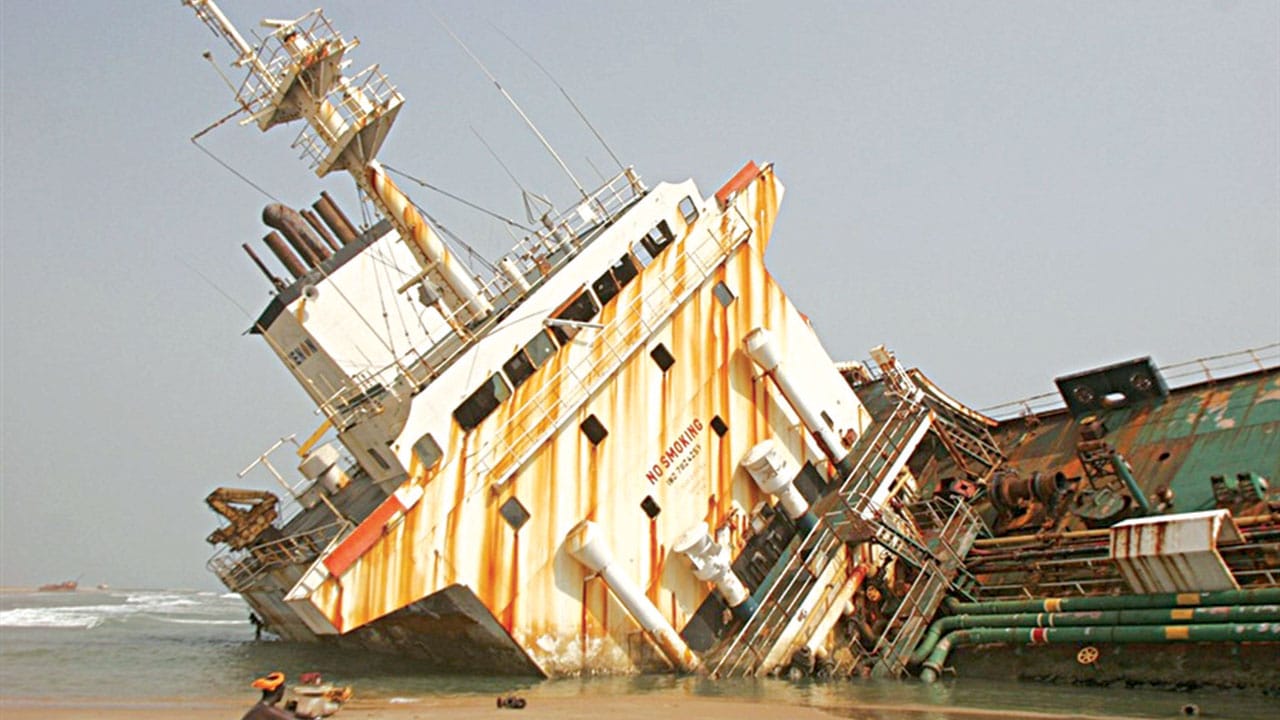
Nigeria’s waterways are dotted with hundreds by some older estimates, thousands — of abandoned and derelict vessels. From the bustling approaches to Lagos ports and the creeks of Badagry to the strategic Onne Port complex in Rivers State and channels around Bonny and Calabar, rusting hulls lie partially submerged or beached, silent sentinels of years of neglect.
These are not just eyesores. They represent a dual crisis: a persistent threat to maritime safety and a squandered economic opportunity worth an estimated N30 billion in recoverable steel alone.
The Scale of the Problem
Reliable assessments put the steel trapped in Nigeria’s abandoned wrecks at around 200,000 tonnes. At current scrap and recycling values, this constitutes a ready-made raw material stockpile worth approximately ₦30 billion .
Many vessels were abandoned by owners — both local and foreign — who found proper disposal too costly or bureaucratically cumbersome. Over decades, these wrecks have accumulated in high-traffic zones: Lagos waterways where historically over 50 shipwrecks and dozens of barges were reported in 2021, Rivers State/Onne Port areas, and coastal stretches.
A 2025 study on shipwreck management in Rivers and Onne Port complexes found that abandoned wrecks obstructed shipping lanes according to 66.7% of respondents, damaged fishing gear (91.6%), created environmental hazards, and served as potential hubs for illegal activities.
The Human and Safety Cost: Why Removal Prevents Marine Accidents
The most immediate argument for systematic removal is navigational safety. Submerged or semi-submerged wrecks are invisible hazards, especially at night, in poor visibility, during tidal shifts, or in narrow, busy channels.
They contribute to collisions and groundings,damage to propellers, hulls, and engines of larger vessels, catastrophic losses for small-scale fishermen whose wooden or fibre boats are easily ripped apart by hidden metal
Boat accident studies in Nigerian waterways consistently list wrecks and obstructions on navigation channels among contributing factors alongside human error. While major headline collisions often involve other causes, the constant low-level risk from wrecks raises the overall accident probability, inflates insurance premiums, and slows port operations.
Clearing these wrecks directly prevents accidents by opening obstructed shipping lanes and fairways in critical ports of Lagos that handles the bulk of Nigeria’s seaborne trade; Onne is vital for oil & gas and bulk cargo.
Protecting the thousands of artisanal fishers and local boat operators who lose nets, engines, and sometimes lives to hidden metals.
Reducing the likelihood of chain-reaction incidents in congested anchorages or during manoeuvring like the recent Bonny Channel incidents that highlights the risks of tight waterways.
Lowering the overall risk profile of Nigerian waters, making them more attractive to responsible international shipping lines and supporting the competitiveness of new facilities like Lekki Deep Sea Port.
The Nigerian Maritime Administration and Safety Agency (NIMASA) has a structured Wreck Removal Programme aligned with the Nairobi Wreck Removal Convention, requiring financial security for larger vessels and outlining pre-removal, removal, and post-removal stages.
Environmental and Social Toll
Rusting wrecks leach heavy metals, oils, and other pollutants into marine ecosystems. They accelerate coastal erosion in places by altering wave patterns and have long been blamed for damaging mangroves, beaches, and fishing grounds. They also become havens for illegal activities, including oil smuggling.
Fishing communities suffer lost catches, damaged gear, and restricted areas — direct hits to livelihoods in coastal states.
The Waste-to-Wealth Opportunity Nigeria Has Missed
Instead of treating wrecks solely as a costly liability to be towed away and dumped, Nigeria can process them as a circular economy asset.
Steel recovery: 200,000 tonnes of high-quality scrap can feed local steel mills (rebar, plates, structural steel) and reduce import dependence.
Job creation: A dedicated ship recycling industry would generate thousands of direct and indirect jobs — in salvage, cutting, transport, processing, and ancillary services — particularly valuable for youth employment in maritime states.
Industrial development: Modern, regulated recycling yards NIMASA already listed some facilities in the Kirikiri area of Lagos that could evolve into a proper ship recycling cluster, complementing ship repair and, eventually, building ambitions.
Revenue for government: Through public-private partnerships, auction of recoverable vessels, revenue-sharing models, and taxes on recycled output, the state can offset removal costs and generate net income.
Expert voices, including former NIMASA Director-General Dr. Bashir Jamoh, have advocated for notices to owners, time-bound removal, auction of viable vessels, and recycling of others.
Maritime experts have called for a comprehensive master plan involving NIMASA, NPA, and NIWA, plus investment in specialized equipment magnetometers, heavy-lift salvage gear and training.
Continued inaction means Nigeria keeps losing on multiple fronts: the direct over ₦30 billion in untapped value, ongoing accident and pollution costs, lost fishing revenue, higher shipping expenses, and forgone industrial growth.
Current Efforts and the Gaps
NIMASA has issued marine notices, conducted some removals, and maintains a wreck removal framework.
The Federal Executive Council approved large-scale action years ago, and allocations such as earlier N10 billion proposals have been discussed.
Yet many wrecks persist because of jurisdictional overlaps; funding and equipment constraints;legal challenges in establishing “ownerless” status and liability; historical issues with contractors performing only partial work, leaving submerged hazards.
A 2021–2022 push showed intent, but sustained, well-funded execution with private-sector involvement and strict environmental/safety standards aligned with the Hong Kong Convention principles is still needed.
The Way Forward: Safety First, Wealth Second — But Both Achievable
Nigeria’s Blue Economy aspirations and the success of initiatives like the Deep Blue Project on security make physical hazard removal a logical next priority.
Nigeria needs to develop and publish a national Shipwreck Removal and Recycling Master Plan with clear timelines, responsibilities involving NIMASA as lead, Nigerian Ports Authority and the National Inland Wsterways Authority as support bodies
Conclusion: A Test of Maritime Governance and Economic Vision
Every year of delay costs Nigeria in safety incidents avoided, steel value unrealized, jobs not created, and environmental damage accumulated. The wrecks are not going away on their own — but with political will, smart partnerships, and a waste-to-wealth mindset, they can be transformed from liabilities into assets.
Clearing Nigeria’s shipwrecks is first and foremost a safety imperative that will prevent marine accidents, protect lives and livelihoods, and make our ports more efficient and competitive.
Done right, it is also a significant economic opportunity — one that turns rusting steel into rebar for nation-building, creates decent work, and demonstrates that Nigeria can manage its maritime domain responsibly and profitably.
The technology, the legal tools, the institutional mandates (NIMASA), and the market (local steel demand) already exist. What is needed now is decisive, coordinated action.
Nigeria’s waters do not have to remain a graveyard of abandoned dreams. They can become a showcase of maritime renewal — safer, cleaner, and wealth-generating. The choice, and the opportunity, is ours.




One Comment