
How Nigeria Can Harness Vast Maritime Opportunities from Dangote Refinery – Capt Alao, President NAMM

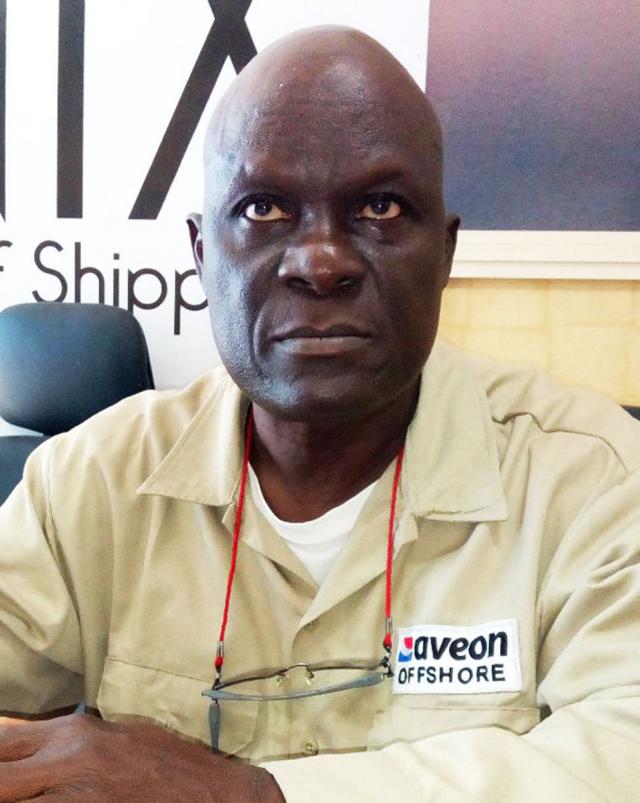
Captain Tajudeen Alao, National President, Nigeria Association of Master Mariners has described the Dangote Refinery as one large pool of maritime opportunities while advising government to prioritise evacuation of refined products by sea. He spoke to Ismail Aniemu
Excerpt
What in your view has been the impact of the Dangote Refinery on Nigeria’s maritime space, and how can the country best maximise the maritime and economic opportunities created by hosting Africa’s largest refinery alongside its vast maritime domain?
I see the Dangote Refinery primarily as a major driver of wealth creation for Nigeria. We are extremely fortunate to have such a massive and strategic energy asset at a time when global demand for energy remains very high. Its location on the open sea is a significant advantage, particularly for exports, as deep water access allows foreign vessels to berth easily and lift products directly for the international market.
The refinery is well positioned to support coastal shipping and shuttle services to key ports such as Port Harcourt, Warri, Calabar and Lagos. This creates enormous opportunities for employment across the maritime value chain, including vessel ownership, crewing, port operations and a wide range of support services.
I believe policymakers should prioritise evacuation by sea rather than relying heavily on hundreds of trucks on already congested and deteriorating roads. With Nigeria’s existing network of tank farms, refined products can be transported by ships to coastal depots, discharged into tank farms and then distributed inland by trucks. This approach would be safer, more efficient and more cost effective.
With over 600 vessel calls recorded in the refinery’s first year, how can Nigeria strategically position itself to take full advantage of this emerging maritime business?
There are enormous opportunities for Nigerians and the jobs are clearly there. Banks and financial institutions must be ready to provide job focused loans to active players in the sector, not just portmanteau business owners, because this is an international business. Many Nigerians already have experience in the trade, but proper measures such as auditing companies and enforcing compliance are needed to ensure local participation and accountability.
The capacity to deliver these services already exists in the market. For every tanker coming to load, there are mandatory procedures such as Ship Inspection Reports, tanker vetting, and other compliance checks.
For example, a 5,000 ton tanker can carry the equivalent of 150 trucks, each transporting about 30 tons. A vessel can be loaded at a rate of 250 tons per hour, completing in under 12–18 hours, whereas 150 trucks would take much longer, congesting roads across Lagos, Warri, Onne, and other port cities. Engaging Nigerians particularly young mariners, surveyors, and inspectors in these processes offers significant opportunities for certification, professional development, and sustainable employment.
Services also represent substantial potential. Many flag of convenience countries have maritime lawyers and service providers deeply engaged in such operations, earning considerable revenue. Nigeria should ensure that local maritime lawyers, marine professionals, and other stakeholders are similarly involved. By upgrading these processes to international standards, Nigeria can fully capture the economic benefits of servicing vessels and cargo, while creating gainful jobs for its workforce.

Strategically shifting to marine transport instead of relying heavily on road haulage will bring efficiency and wealth creation. Using tankers to deliver refined products to tank farms across the country, instead of dispatching hundreds of trucks, will reduce congestion, road damage, and operational costs. For example, a 5,000 ton tanker delivering to tank farms can serve the same purpose as 150 trucks, moving 901,000 tons of product over time.
The focus should be on inclusive, gainful engagement of Nigerians in maritime operations, ensuring that it becomes a true catalyst for economic growth, professional development, and sustainable maritime industry advancement.
Looking at employment and opportunities within the maritime sector, how can Nigeria maximise the benefits from vessel operations, crewing, and related maritime activities?
If Nigeria owns and registers its own vessels, they will naturally be manned by Nigerian crews. Current laws already support this. Under the Shipping Development Decree of 1987 and the NIMASA Act, crew members must be 100% Nigerian, while officers must be at least 75% Nigerian. Cabotage regulations now reinforce full Nigerian participation for domestic cargo transport. This framework ensures that our people are trained, employed, and able to build sustainable careers in the maritime sector.
The benefits extend beyond employment. Nigerian owned and operated vessels generate taxable income for the government and retain economic value within the country. Currently, foreign vessels transporting Nigerian cargo, such as Dangote products sold FOB, result in lost jobs and lost revenue. By using Nigerian nominated ships for such cargo, we can ensure local participation, create jobs, and maximise the economic returns from our natural resources and maritime space.
Despite having legal and policy frameworks, Nigeria has not fully leveraged these advantages. Sections of the NIMASA Act provide for cargo reservation to Nigerians, yet much of the value has gone to foreign operators. It is 2026 we were there 50years ago, and Nigeria must assert itself fully in the maritime domain.
By strategically using our own ships, crews, and professionals, the country can turn its resources oil, gas, and cargo into sustainable employment, revenue, and long term economic growth.








One Comment