
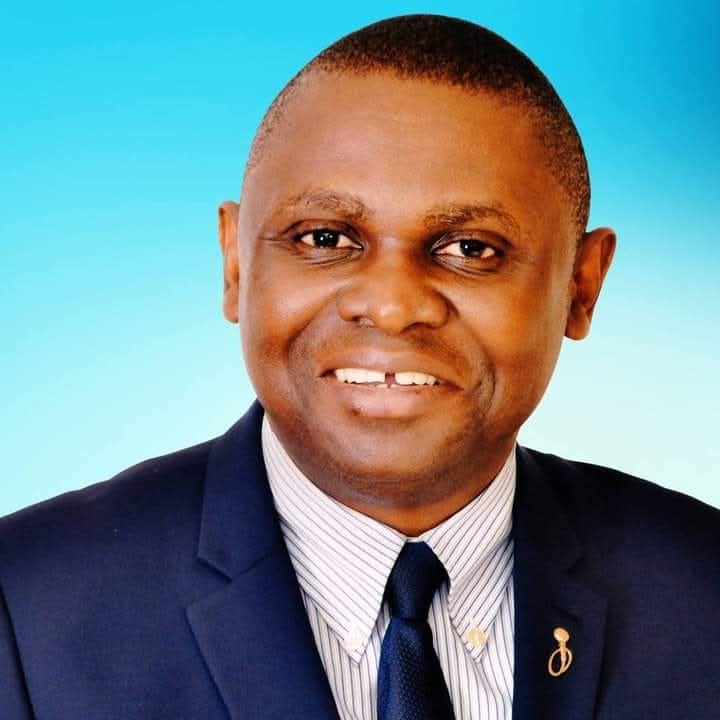
The Founder of the Blue Economy Academy, Ubong Essien, has called on the Nigerian Inland Waterways Authority (NIWA) to strengthen enforcement of safety regulations and impose sanctions on operators of unsafe vessels to curb recurring boat accidents across Nigeria’s inland waterways.
Speaking during the Academy’s July edition of its Monthly Ocean Intelligence Brief, Essien said while NIWA’s plans to rehabilitate jetties and phase out unsafe passenger boats are commendable, stronger regulatory enforcement and accountability are needed to deter violations.
He drew parallels between safety on Nigeria’s inland waterways and the International Maritime Organization’s (IMO) Safety of Life at Sea (SOLAS) Convention, describing safety as the foremost principle of maritime transportation.
He noted that because of the inherently dangerous nature of maritime operations, protecting lives must remain the highest priority for regulators. According to him, Nigeria cannot continue to expand water transportation while tolerating unsafe vessels and weak enforcement.

Essien argued that beyond encouraging operators to improve standards, NIWA must also hold defaulting boat owners accountable through strict enforcement. He said operators who deploy unseaworthy vessels should face appropriate penalties, while those operating without the required certifications should not be allowed to continue their activities.
He further urged NIWA to strengthen its regulatory presence by deploying more safety personnel across inland waterways to ensure unsafe boats do not leave jetties with passengers or cargo.He also stressed the need to improve emergency response capabilities, saying the time between accidents and rescue operations remains a major factor contributing to fatalities during boat mishaps.
According to him, enhancing response capacity, increasing safety personnel and enforcing passenger safety standards would significantly improve safety on Nigeria’s waterways. Beyond safety, Essien noted that NIWA’s ongoing engagement with the World Maritime University on capacity building and sustainable inland transportation is a positive development that could strengthen professional standards and planning within the sector.
The Blue Economy Academy founder also used the briefing to review key developments in Nigeria’s maritime sector over the past month, including the Federal Government’s approval of ₦286 billion for maritime infrastructure projects, the Nigerian Shippers’ Council’s reported savings of ₦90.6 billion through regulatory interventions, Lagos State’s ongoing Omi Eko water transport project, and efforts to deepen collaboration among governments and private investors to drive implementation of Nigeria’s blue economy policy.
He maintained that while policy initiatives and funding approvals are encouraging, the country’s maritime sector would ultimately be judged by effective execution, transparency and measurable improvements in safety, infrastructure and service delivery.
“Safety in our waters, locally, is the equivalency of what the International Maritime Organization elevates as one of its cardinal conventions known as SOLAS, the Safety of Life at Sea. The IMO does not toy with that convention. It prioritises it.
“The question that we should be putting to NIWA is, as regulators of our inland waterways, where are the sanctions? We need to hear more about sanctions because that’s part of the regulatory function. Where there are no sanctions, there will not likely be deterrence.
“The parties responsible for putting these boats on our waters should be held accountable. If you’re not certified, you should not be allowed to operate, and if you operate without certification, you should be sanctioned,” he added.






One Comment