



The Nigeria Customs Service (NCS) has intercepted 56 containers containing prohibited goods with a total duty-paid value of N5.53 billion at the Port Harcourt II Area Command, Onne, Rivers State.
 Comptroller-General of Customs, Adewale Adeniyi, disclosed the seizure on Tuesday, September 15, 2026, while addressing newsmen at the command.
Adeniyi said the interception was part of intelligence-driven and risk-based operations aimed at preventing prohibited, restricted and improperly declared consignments from entering the Nigerian market.
According to him, unchecked importation of goods that can be produced or processed locally exposes Nigerian farmers, manufacturers and businesses to unfair competition, weakens demand for locally made products and discourages investment across domestic value chains.
 He noted that the economic impact was particularly significant in the agricultural and manufacturing sectors, stressing that large-scale importation of locally producible goods could undermine efforts to strengthen food security, create jobs and diversify the economy.
The CGC clarified that Customs enforcement was not intended to frustrate legitimate businesses but to ensure a fair, secure and predictable trading environment.
 He said the Service’s risk-based approach allows it to facilitate legitimate cargo while subjecting high-risk consignments to enhanced scrutiny.
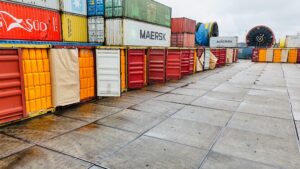
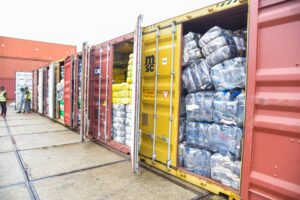
The seized consignments comprised 45 20-foot containers of foreign vegetable oil, nine 40-foot containers of used clothing and two 20-foot containers of Channy tomato paste.
Adeniyi commended the Customs Area Controller, Comptroller Aliyu Alkali, and officers of the Port Harcourt II Area Command for the interceptions.
 He urged importers and other stakeholders to verify the admissibility of their intended imports before commencing transactions and ensure accurate declarations covering the description, quantity, value, origin and classification of goods.
The CGC said the seizures were consistent with the Federal Government’s broader economic objectives, particularly policies aimed at promoting made-in-Nigeria products, protecting domestic production and supporting local job creation.







The excitement here is on another level. Great selection of games and the mobile version works like a charm. Check out pkbetmgm now.