
How Customs, Power Ministry, Stakeholders Collaboration Freed Decades-Trapped Power Equipment from Nigerian Ports

For nearly two decades, hundreds of containers filled with critical electricity transmission equipment sat idle at Nigeria’s busiest ports, a silent monument to bureaucratic inertia, unpaid charges and abandoned contracts.
 High-capacity transformers, specialised cables, switchgear and other hardware imported for the Federal Ministry of Power, the Transmission Company of Nigeria (TCN) and the Niger Delta Power Holding Company (NDPHC) remained trapped at Apapa and Tin-Can Island terminals.
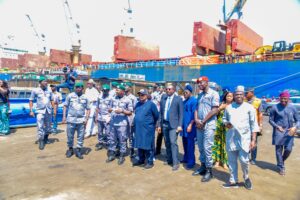 The equipment, procured from manufacturers in countries including China and Germany because Nigeria lacked the industrial capacity to produce such specialised gear, was meant to expand the national grid, relieve overloaded substations and support projects under the National Integrated Power Project and related initiatives. Instead, it accumulated demurrage, deteriorated in the humid port environment and denied Nigerians the benefits of public investment.
That long-standing logjam began to break in early November 2026. Following a presentation by the Minister of Power, Joseph Olasunkanmi Tegbe, at a Federal Executive Council meeting, President Bola Ahmed Tinubu directed the immediate clearance of the consignments and ordered relevant agencies to resolve outstanding charges and administrative bottlenecks without further delay.
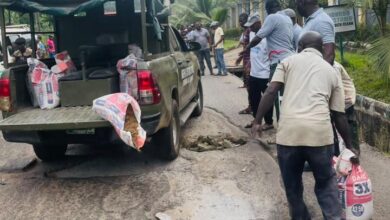
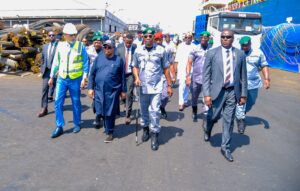 The Nigeria Customs Service (NCS), working closely with the Federal Ministry of Power and other stakeholders, moved swiftly to implement the directive. By 6 November 2026, the service had commenced the evacuation of the first 98 of more than 300 containers that had languished for between 14 and 20 years.
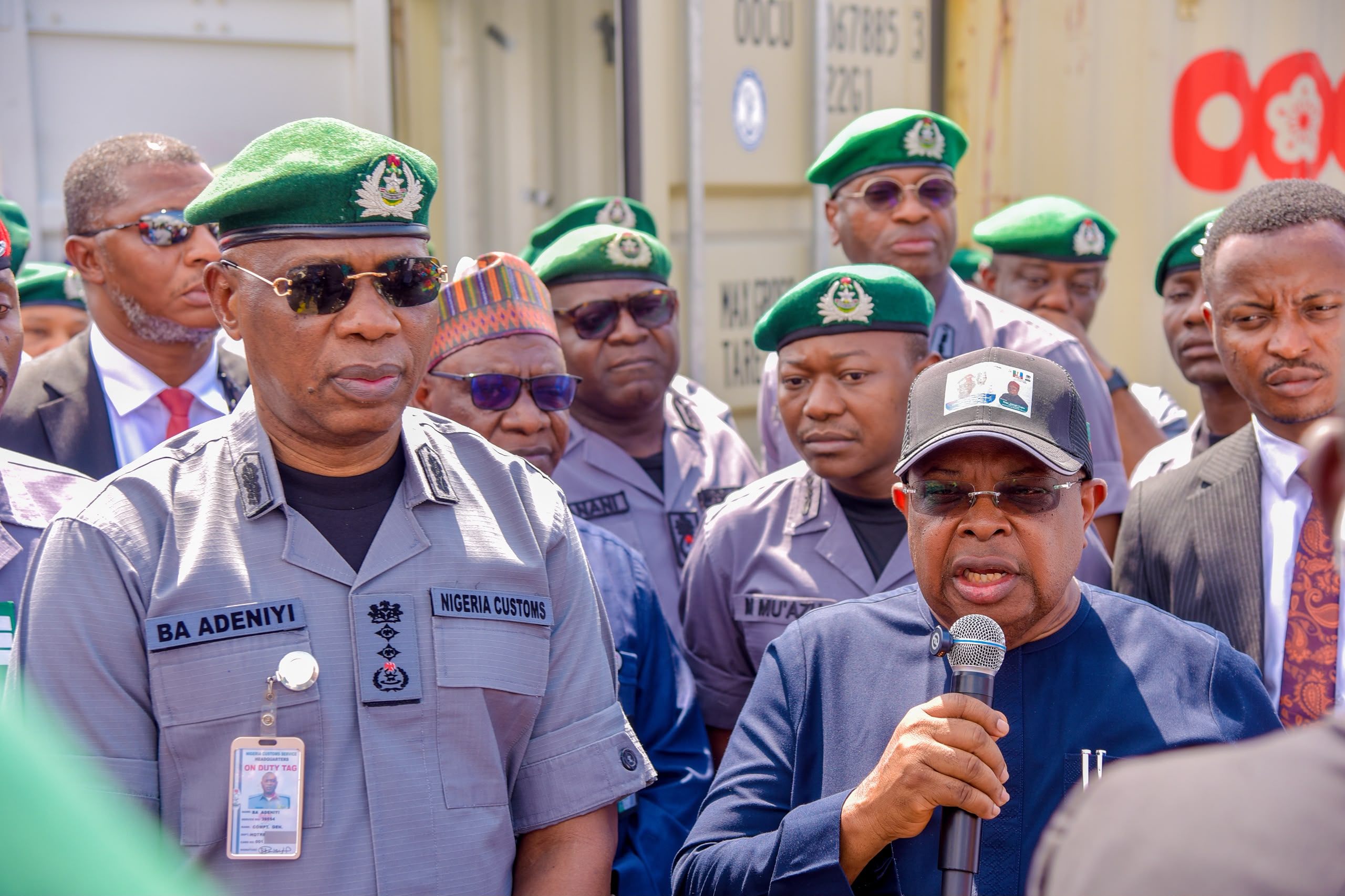
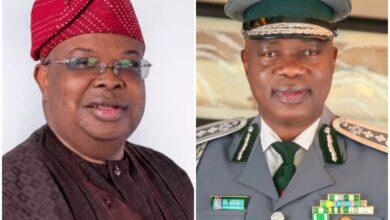
Comptroller-General of Customs Adewale Adeniyi flagged off the exercise at the ENL Consortium Terminal in Apapa alongside the Power Minister. Forty-four containers were released from ENL, with another 54 scheduled for release from APMT and Sun & Moon terminals at Tin-Can and other locations.
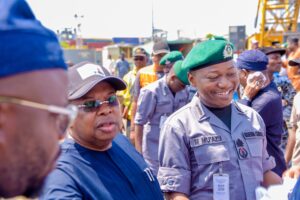 Adeniyi emphasised that the NCS had introduced priority processing, dedicated officers for joint examinations and the application of approved waivers to accelerate the process. The Minister of Finance and Coordinating Minister of the Economy, Taiwo Oyedele, approved waivers on accumulated charges, while the Minister of Marine and Blue Economy facilitated the waiver of demurrage. These fiscal interventions removed the primary financial barriers that had kept the containers locked in place for years.
The consignments themselves tell a story of frustrated ambition. They contain high-capacity transformers, electrical cables, switchgear and other transmission infrastructure intended to expand network capacity, ease pressure on congested substations and support the movement of power from generation plants to consumers. Preliminary assessments by TCN engineers had already identified some materials for deployment to transmission projects in locations such as Kaduna, Ajaokuta, Lokoja and Enugu. Once released, technical experts from the Ministry of Power and its agencies will inspect every item to determine what remains serviceable after years of storage. Serviceable equipment will be pressed into use on ongoing and stalled projects; obsolete items will be disposed of in line with regulations.
The prolonged detention had exacted a heavy cost. Projects stalled. Existing substations remained under strain. Valuable assets deteriorated. Demurrage and storage charges mounted. Businesses spent more on alternative power. Households endured interruptions. Public institutions struggled to maintain essential services. The equipment’s abandonment by defaulting contractors compounded the problem, leading Customs leadership to describe those firms as economic saboteurs and signalling that blacklisting measures would follow to prevent recurrence.
What made the breakthrough possible was coordinated action across government. The President’s directive provided the political will. The Finance Ministry’s waiver of charges and the Marine and Blue Economy Ministry’s support on demurrage removed the fiscal obstacles. Customs deployed operational facilitation measures within its mandate. The Nigerian Ports Authority and terminal operators cooperated in the physical evacuation. The Ministry of Power, TCN and NDPHC stood ready to receive, inspect and deploy the hardware. This multi-agency collaboration, long missing in previous attempts to free the containers, finally cracked the jinx.
The release of the first 98 containers is only the beginning. Customs has indicated that more than 200 additional containers are in the process of clearance, with the full cohort of over 300 expected to follow. The government has pledged to complete the exercise as quickly as possible, ensuring that empty containers are returned to shipping lines and that all procedural requirements are met. Once the equipment reaches project sites, it is expected to contribute to grid stabilisation, support the proposed expansion of transmission capacity and help complete infrastructure that has remained unfinished for years.
The episode also carries broader lessons for public procurement and port management. Critical national assets should not be allowed to languish for decades because of incomplete documentation, unpaid charges or contractor default. Stronger inter-agency coordination, clearer accountability for importers and contractors, and proactive monitoring of government consignments can prevent similar situations.
The blacklisting of defaulting firms and the insistence on recovering public investments send a signal that abandonment of national infrastructure will no longer be tolerated.
For ordinary Nigerians, the practical impact will be measured in more reliable electricity. Transformers and switchgear that finally leave the ports and reach substations can reduce overload, cut outages and support industrial and commercial activity.
Completing stalled transmission corridors will improve the evacuation of power from generation plants. In a country where inadequate electricity supply has long constrained economic growth and daily life, the recovery of these assets represents a tangible step toward strengthening the grid.
The successful start of the evacuation demonstrates that persistent problems can be solved when political leadership, fiscal authority and operational agencies align. President Tinubu’s directive, the Finance Ministry’s waivers, Customs’ facilitation and the Power Ministry’s readiness combined to free equipment that had been trapped for a generation.
The remaining containers must now follow the same path, and the recovered hardware must be inspected, deployed and maintained with the same urgency that finally unlocked the ports. Only then will the full value of these long-delayed investments reach the Nigerian people.


One Comment