

Aviation Game-Changers:10 Persons that Strenghtened Nigeria’s Aviation Industry in 2025

In 2025, Nigeria’s aviation industry witnessed a renewed wave of reforms, infrastructure upgrades, regulatory improvements and private-sector investments that collectively reshaped the sector’s outlook. From policy-driven confidence-building measures and airport modernization to improved consumer protection, safety oversight and global connectivity, a group of public officials, regulators, industry leaders and aviation professionals stood out for their tangible contributions.
Their actions not only strengthened safety, efficiency and financial sustainability, but also repositioned Nigeria as an emerging regional aviation hub. This report highlights key individuals whose leadership and initiatives made a positive and lasting impact on Nigeria’s aviation ecosystem in 2025.
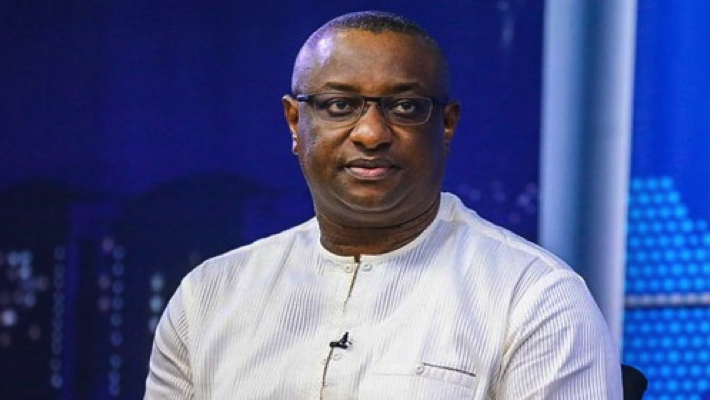
Festus Keyamo

Keyamo , the Minister of Aviation and Aerospace Development oversaw reforms under the Cape Town Convention (CTC) , including formal adoption of “Irrevocable De-registration and Export Request Authorisation (IDERA)” rules. This pushed Nigeria’s compliance index up by several points, moving the country into a “high-compliance” tier. At the same time, he introduced revised aviation-insurance regulations that allow airlines to cede up to 90% of hull risk to international markets , a move aimed at reducing insurance costs and improving financial viability of carriers. These reforms have contributed to a broader restoration of confidence in Nigeria’s aviation sector, both domestically and internationally.
Under Keyamo’s watch, the government backed a plan to build a local Maintenance, Repair and Overhaul (MRO) facility ,in collaboration with an operator (XeJet) and domestic banks with a long-term goal of making Nigeria a regional aviation-services hub. Also, the largest domestic airline (Air Peace) began constructing an MRO hangar at the country’s major international airport (Murtala Muhammed International Airport MMIA, Lagos. Once completed, this facility is expected to significantly cut foreign-exchange losses previously spent on sending aircraft abroad for maintenance. Keyamo emphasised that this move will help keep aviation-related expenditures within Nigeria and strengthen local aviation infrastructure.
He also revived previously moribund radar-coverage plans (including the countrywide TRACON project), thereby restoring full radar coverage for Nigeria , a major boost for safety, surveillance, and airspace control. At the regulatory level, during the 25th anniversary of the Nigeria Civil Aviation Authority (NCAA), Keyamo reaffirmed commitment to human-capital development, technological adoption, and regulatory compliance , signalling a long-term vision of safety, standards, and skill development in the aviation sector. He has also been vocal about addressing structural challenges such as “multiple taxation” in the aviation sector and said efforts are ongoing to eliminate this burden, which has historically increased operational costs for carriers.

As part of celebrating 100 years of aviation in Nigeria, Keyamo led preparations for the country’s first-ever international airshow, signalling an ambition to showcase Nigeria’s progress and attract regional/global interest.Keyamo described the event as more than an exhibition, explaining, “This Airshow represents more than an event; it is a statement of intent. It is a bold declaration that Nigeria is ready to lead, innovate, and compete on the global stage; it is a platform for discovery, investment, and collaboration.” He added that the airshow provides young Nigerians with an opportunity to engage with aerospace engineering, aviation technology, defence systems, and other emerging sectors.
Olubunmi Kuku

Under Olubunmi Kuku’s leadership as the Managing Director of Federal Airports Authority of Nigeria (FAAN) , the rehabilitation of Runway 18R/36R at Murtala Muhammed International Airport (MMIA), Lagos was completed .Also at MMIA, the taxiways were refurbished, lighting systems reinstated, and the domestic Zulu Terminal expanded. New protocol lounges were added to improve comfort and capacity. Similar infrastructure upgrades have taken place at airports across Nigeria , including airfield lighting rehabilitation, expanded car parks, improved terminals or domestic wings at Minna, and enhanced power/cooling systems in cities such as Kano, Katsina, Jos, and Yola.
Kuku has prioritised building human capital. Over 3,000 FAAN employees have been trained and certified in areas like aviation security, firefighting, airport operations, and engineering. In 2025 alone, FAAN under her management held a global-standard training initiative , the Airport Management Professional Accreditation Programme (AMPAP) in collaboration with global bodies such as International Civil Aviation Organization (ICAO) and Airports Council International (ACI). This is a first at such a scale in FAAN’s history.
FAAN’s internal training school was rebuilt to meet international standards. The programme has reportedly attracted trainees from other African nations , helping reposition Nigeria as a regional hub for aviation training.
As regards security and surveillance upgrades, modern X-ray screening machines (with automatic tray return), upgraded CCTV coverage, and procurement of 3,000 handheld radios for security staff have improved response capacity and deterrence. A recent security audit by ICAO rated FAAN’s security department highly under her watch. Screening times during peak hours reportedly dropped by 80%.
FAAN’s internally generated revenue (IGR) reportedly improved significantly under her leadership , showing stronger financial health and enabling reinvestment into infrastructure and services. FAAN under Kuku is pushing for modernization, with digitized contract management, improved public-private partnership frameworks, and steps towards ISO certification , elevating the institutional standard of Nigeria’s airports.
In 2025, Kuku launched a bold investment drive via the FAAN National Aviation Conference (FNAC), calling for global and local investors to take part in modernizing Nigeria’s aviation infrastructure from terminals and cargo hubs to airport-city developments. Her leadership has raised Nigeria’s visibility in the global aviation community.
Chris Najomo
Chris Najomo ,the Director General of the the Nigerian Civil Aviation Authority (NCAA) issued Air Operator Certificates (AOCs) to five new airlines within one year , a significant boost to domestic competition and capacity. He attributed the increase in AOCs to a more streamlined, technology-enabled certification process and use of specialised committees , reducing bureaucratic bottlenecks.
In November 2025, Najomo emphasised robust insurance compliance and financial safeguards for aircraft and infrastructure ,aiming to protect passengers, investors, and industry stakeholders.
The NCAA under Najomo launched initiatives (in 2025) to cultivate aviation-related skills among Nigerian youths in major cities , expanding access to careers in airport management, drone operations, aircraft safety, and other technical roles.
Chris Najomo, bagged two prestigious awards at the Nigeria Transport and Logistics Leadership Summit held on October 14, 2025, in Abuja.The awards were “Leadership Award in Transport and Logistics Governance” and “Distinguished Trailblazer’s Award in Transport and Logistics” awarded to him by the Nigerian Institute of Transport Technology (NITT), in recognition of his exceptional leadership and dedication to the aviation industry,
Michael Achimugu

Through Michael Achimugu, the Director of Public Affairs & Consumer Protection at Nigerian Civil Aviation Authority (NCAA) , the authority boosted enforcement of refund and compensation rules. Between January and August 2025, airlines refunded roughly ₦257.2 million to passengers , a sharp rise from ₦108.3 million during the same period in 2024 and ₦32.8 million in 2023.
He publicly described the surge as among the authority’s “proudest achievements” in its 25-year history, underlining a renewed focus on passengers’ rights. Achimugu also led NCAA efforts to engage airline station managers on “Passengers’ First-Need Compensation” and other consumer-protection protocols.
In 2025, Achimugu intervened decisively when airlines were running flights despite grounded aircraft. He warned airlines with unserviceable aircraft to reduce operations, and threatened harsher sanctions for non-compliance. He also spearheaded a new directive forbidding pilots from taking off when disruptive passengers are on board , underscoring a zero-tolerance stance against unruly behaviour in the cabin. On baggage issues, Achimugu clarified that excess-baggage fees are legitimate airline charges , discouraging unwarranted complaints to NCAA and helping clarify regulatory boundaries.
In May 2025, Nigeria hosted a regional workshop on financing sustainable aviation fuels (SAF), under the aegis of NCAA. Achimugu said the event marked a milestone in Africa’s drive toward greener aviation, signalling Nigeria’s commitment to decarbonisation and aligning with global climate-action targets.
In late 2025, Achimugu used his platform to urge Nigerian youths to consider aviation careers beyond the glamour of cabin crew stressing the demand for roles like aircraft maintenance technicians, air-traffic controllers, flight dispatchers, and other technical/operational positions.The message signals intent to build long-term human-capital capacity in Nigeria’s aviation ecosystem.
Allen Onyema

Under Onyema’s leadership as Air Peace Chairman, the airline inaugurated a direct Abuja–London Heathrow flight in October 2025 , the first such direct route by a Nigerian carrier. This expansion reportedly helped slash fares on that route dramatically (from what Onyema described as as high as US$13,000 to about US$3,000), making international travel much more accessible for many Nigerians. With both Lagos–London (Gatwick) and Abuja–London (Heathrow) now served by Air Peace, Nigeria’s global aviation footprint has boosted both passenger convenience and Nigeria’s connectivity.
In September 2025, Air Peace broke ground on a new Maintenance, Repair and Overhaul (MRO) facility at Murtala Muhammed International Airport in Lagos. Onyema said this N32 billion facility will service not only Air Peace planes, but also those of other domestic and international airlines. The MRO is projected to create over 50,000 direct and indirect jobs ,providing training, technical jobs and support services like wheel, brakes, batteries meaning a huge boost to local capacity and aviation-related employment.
Onyema has publicly welcomed reforms under the current government (notably under Festus Keyamo, Minister of Aviation and Aerospace Development, and Bola Ahmed Tinubu, President) that revived dry-leasing opportunities for Nigerian airlines , something previously blocked , allowing local carriers to lease aircraft and expand fleets without buying outright. He has also voiced support for the broader infrastructure investments ongoing in the aviation sector, noting that improved airport and transit facilities will unlock more revenue streams and better customer experience if properly executed.
At the maiden Nigeria International Air Show which was held from December 2–4, 2025, Air Peace was awarded “Airline of the Year,” while Onyema was named “Aviation Executive of the Year,” underscoring the perceived transformation and growth under his watch. He also received other honours in 2025 recognizing his contributions to transport, logistics and aviation , signalling that his leadership is viewed (officially and publicly) as pivotal in reshaping the industry.
To reduce flight delays and cancellations, Air Peace placed three aircraft on standby to respond to emergencies or technical issues; since the move from May 2025, the airline reported an 85% improvement in on-time departures.
Dr. Gabriel Gbenga Olowo
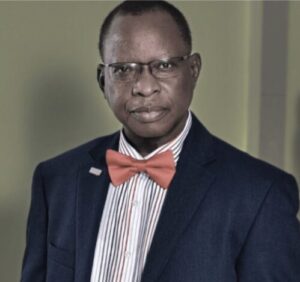
Dr. Olowo , a veteran aviation professional is the Chairman of the West African operations of a global airline-distribution firm, and former President of a major aviation-industry NGO, the Aviation Safety Round Table Initiative (ART).
Being known for thought leadership in previous years, he published an aviation-industry book titled “Cutting Costs Without Cutting Corners” , described by peers as a reference work for both public and private sector actors. Olowo brings both deep operational experience and macro-economic/strategic insight , a rare combination among Nigerian aviation stakeholders.
In August 2025, Dr. Olowo delivered the keynote address at the 29th annual conference of the League of Airport and Aviation Correspondents (LAAC), held in Lagos. The conference theme was “Aviation Financing in Nigeria: The Risks, Opportunities and Prospects.” His participation underscores his continuing influence. He is described in 2025 as a leading “aviation economist” and Chairman of the regional branch of a major airline-distribution technology firm.
At that 2025 conference he urged airlines and stakeholders to adopt leasing (rather than outright purchase) of aircraft. He argued this approach reduces heavy capital requirements and debt burdens, a critical consideration in Nigeria’s volatile foreign-exchange and financing environment. He emphasized that profitability alone isn’t enough as airlines must pay attention to robust cash flow, liquidity, and flexible financing in order to survive and grow sustainably.
He also called on the industry and government to embrace diversification (beyond flights: e.g. cargo, MRO, allied services) to build resilience and reduce overreliance on passenger traffic. Because of his long experience spanning airlines, technology, regulation, and industry-wide advocacy, Dr. Olowo’s views tend to shape broader industry direction:
His push for leasing and sound financing resonates at a time when many Nigerian airlines struggle with foreign exchange, debt servicing, and operational sustainability. By advocating for pragmatic, globally-accepted financing models, he helps bring Nigeria’s aviation sector more in line with international best practices.
Adenike Aboderin

By late 2025, under Adenike Aboderin’s leadership as Managing Director/ Chief Executive Officer of SAHCO reported a 57% year-on-year revenue growth, rising from ₦20.1 billion to ₦31.7 billion, even as the wider aviation sector faced inflation, foreign exchange pressure, and rising costs. Profit-before-tax reportedly rose significantly, gross profit increased, and SAHCO managed to keep administrative costs relatively controlled , pointing to improved operational efficiency under her stewardship.
SAHCO didn’t just pursue profit , the company also secured and renewed major international airline contracts, including a five-year ground-handling contract renewal with British Airways and new/renewed agreements with airlines such as South African Airways, regional carriers, and others , expanding Nigeria’s aviation handling footprint.
SAHCO renewed its global-standard safety certifications (e.g. IATA Safety Audit for Ground Operations — ISAGO & RA3), strengthened its affiliation with safety-focused professional bodies, and reportedly delivered notably fast cargo turnaround times (e.g. a record 37-minute offload of 37 pallets from a Boeing 777 for a major carrier). The company under Aboderin’s watch has begun replacing older ground-support equipment with eco-friendly alternatives, deploying digital tools (e-billing, resource allocation software, digital monitoring) and enhancing infrastructure to support growth and efficiency.
As a result, SAHCO is increasingly associated with “world-class” ground handling services , helping to raise overall expectations and benchmarks in Nigeria’s aviation support services sector. Through SAHCO’s transformation under Mrs. Aboderin, the ripple effects on Nigeria’s aviation industry include: improved reliability and quality of ground-handling services, which supports better airline operations (on-time performance, cargo handling, passenger experience) a crucial factor in boosting confidence for both local and international carriers operating in Nigeria, increased attractiveness for airlines .
Olumuyiwa Olumekun
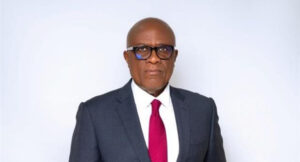
Olumekun formally became GMD/CEO of NAHCO effective January 1, 2025 replacing his predecessor after tenure expiration. Under his stewardship, NAHCO was honoured with the Nigeria Civil Aviation Authority (NCAA)’s “Aviation Industry Champion Award”, acknowledging its role in raising service and operational standards in Nigeria’s aviation value-chain.
NAHCO under Olumekun’s leadership commissioned the first-of-its-kind Export Packaging and Processing Centre (NEPPC) in Lagos, enabling better standardization and facilitation of air cargo exports — especially perishables and non-oil goods.
In H1 2025, NAHCO more than doubled revenue (up 102%) compared to H1 2024 and saw net profit after tax surge by 166.7%. By Q3 2025, revenue rose ~40.7% compared with Q3 2024; net profit increased 46–47%. The improved financials reflect better cost management, operational efficiency, and diversified business activities across ground-handling, cargo, export processing, and other logistics , moving beyond traditional ground handling. This performance underscores the success of NAHCO’s strategy to evolve from a ground-handling company into a diversified logistics group under Olumekun’s leadership.
The upgraded ground-support and cargo infrastructure (new equipment, re-fleeting, better handling processes) helps raise overall standards in Nigeria’s aviation logistics which can attract more airlines, improve turnaround times, and strengthen Nigeria’s position as a West Africa logistics hub. NAHCO’s growth under Olumekun supports economic diversification (moving away from oil dependence), aligning with national goals to expand non-oil sectors, create jobs, and increase value-added exports.
Charles Anosike

Charles Anosike , the Director-General and Chief Executive Officer of Nigerian Meteorological Agency (NiMet) who was appointed toward the end of 2023, had a mandate to modernize and reform NiMet under the wider government agenda for renewed hope and improved public services. Under his leadership, NiMet replaced outdated manual systems with a digital “electronic flight folder” (e-Flight Folder), enabling pilots and airlines to access real-time weather updates and flight-briefing data online.
The agency deployed a secure web-based “SADIS API” platform , compliant with global standards (via International Civil Aviation Organization / ICAO / UK Met Office) , giving aviation stakeholders programmatic access to critical forecasts and meteorological data (WAFS datasets, etc.).These innovations make weather data delivery faster, more reliable, and more accessible , a major boost to aviation safety and operational efficiency across Nigerian airports.
Anosike initiated a metadata evaluation of weather-observation stations nationwide, upgrading NiMet’s capacity for accurate observations and climate monitoring. NiMet under him began issuing an “Aeronautical Meteorology Bulletin,” designed to help pilots, air-traffic controllers, airlines and ground services better interpret weather data and anticipate weather-related risks.
As part of efforts to align with international standards, NiMet helped ensure that airports (including domestic and international ones) meet quality management systems; by 2025, five airports : Lagos, Abuja, Kano, Port Harcourt, and Enugu were ISO-certified.
Anosike pushed for broader partnerships between NiMet and other national entities: government ministries, agencies, research institutions, and even private-sector stakeholders. This expanded NiMet’s role beyond just aviation, to agriculture, environment, disaster-risk reduction, and national planning.
At stakeholder forums in 2025, he advocated that weather and climate data should feed into sustainability reporting, infrastructure planning, and climate-resilience strategies , underscoring the interdependence of aviation with climate, infrastructure and socio-economic planning. In 2025 he received the BusinessDay Public Service Excellence Award, highlighting his effective leadership, administrative reforms, and advances in climate and meteorological
Umar Ahmed Farouk

Under Farouk’s leadership as Managing Director of Nigerian Airspace Management Agency (NAMA), the agency has substantially invested in upgrading air-navigation infrastructure. This includes modernizing control towers and technical buildings at many (formerly outdated) airports. The Agency has also begun replacing or refurbishing communication, navigation, and surveillance (CNS) equipment.
Through those upgrades, Nigeria moves a step closer to meeting global safety and operational standards as outlined by International Civil Aviation Organization (ICAO). Farouk declared 2025 as NAMA’s “Year of Capacity Building,” under which a record number of staff , including senior managers and air-traffic controllers received overseas and local training. Farouk has publicly reiterated that although technology matters, “the human expert remains the bedrock of aviation safety.”
Under Farouk, NAMA approved extended flight operations (e.g. until 10:00 pm) at several regional airports (outside the major hubs), broadening Nigeria’s capacity for air traffic management beyond just the biggest airports. The Agency also formally took over ownership and operation of a key flight-calibration hangar (formerly under another agency), a move expected to boost calibration and maintenance services for navigational aids — crucial for safe flights.
Farouk received external recognition for his leadership. In 2025, he was honored with a “Fellowship Award for Distinguished Leadership Conduct” by a public-service ethics forum.
At the 54th Annual General Meeting of the air-traffic controllers’ union (Nigerian Air Traffic Controllers’ Association, NATCA), many participants and stakeholders commended his commitment to modernization and capacity building , suggesting growing institutional confidence in NAMA under his watch.






One Comment