

Tribute to a Foremost Educationist in Northern Nigeria, Hajiya Falmata Zanna Ibrahim Chana (Headmistress)

By Suleiman Bomai

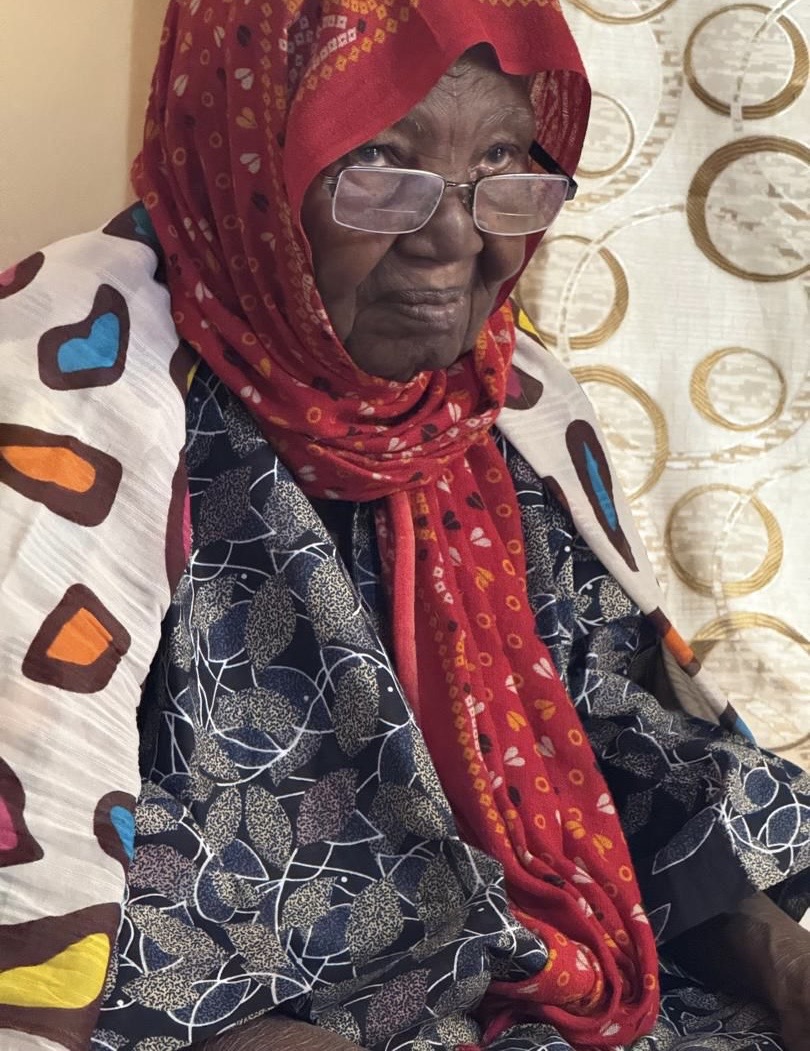
Hajia Falmata Chana, A Pioneer of Girl-Child Education Advocate and Mother of Generations in Northern Nigeria has left us
Chapter One: The End of an Era
On a quiet morning in Damaturu, the heart of Northern Nigeria trembled with sorrow as the news broke of the passing of a woman whose name had become bigger than a title, deeper than a profession, and more enduring than monuments. Hajiya Falmata Zanna Ibrahim Chana, fondly called by millions simply as “Headmistress,” returned to her Creator at the age of over 90 years.
Her burial, conducted in accordance with Islamic rites, drew not only her family but the tears, prayers, and memories of countless former pupils, educators, leaders, traders, civil servants, and professionals across Northern Nigeria and beyond. With her departure, an era closed—but a legacy eternal was sealed.
She did not rule with political power, nor did she command armies. Yet she shaped minds, morals, nations, and generations with nothing but a chalk, a blackboard, faith in Allah, and an unshakable belief in the power of education.
Chapter Two: Born Into a World That Feared Girl Education
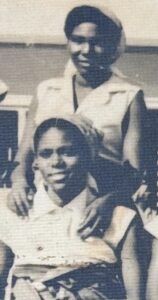
Hajiya Falmata was born in a time when western education for girls in Northern Nigeria was seen as forbidden, dangerous, and morally unacceptable. The idea of sending a girl to school was not only rejected but resisted. Society expected girls to remain within domestic boundaries, far from classrooms and far from ambition.
Yet destiny had chosen her differently.
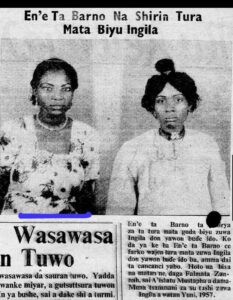
Against overwhelming cultural resistance, she emerged as one of the first sets of Northern Nigerian women selected and trained in Britain as professional teachers. This alone placed her among the earliest female education revolutionaries of the North. At a time when many girls had never seen the inside of a classroom, she crossed continents in pursuit of knowledge.
Her training in Britain was not merely academic—it was transformational. It prepared her not just to teach, but to challenge history, soften resistance, and build acceptance for the education of the Northern girl-child.

Chapter Three: A Return With Purpose, Not Privilege
Upon returning to Nigeria, Hajiya Falmata did not seek elite comfort, high office, or personal recognition. Instead, she returned to the most demanding battlefield of all—the classroom of the rejected girl-child.
She settled in Old Borno State, where she began what would become a lifetime mission of teaching, nurturing, disciplining, and building the foundations of western education at the primary school level.
To her, primary education was sacred. She believed that the foundation of a child’s life is built in the earliest years, and she gave herself fully to shaping that foundation.
She taught in numerous primary schools across Borno State, serving rural and urban communities alike. Through dusty classrooms, overcrowded pupils, and limited facilities, she stood firm—teaching not for salary, not for fame, but for impact.
Chapter Four: “Headmistress” – A Name That Became an Institution

Over time, her real name almost faded behind a more powerful title—“Headmistress.” That name became:
• A symbol of discipline
• A mark of excellence
• A standard of moral education
• And a badge of honor for anyone who passed through her classroom
It is often said today that hardly any person above the age of 60 in Borno State can claim they never heard of or encountered “Headmistress.” Many were her direct pupils; many more were taught by teachers she trained and inspired.
Her pupils became:
• Teachers
• Doctors
• Civil servants
• Military officers
• Politicians
• Business leaders
• Community heads
• Religious scholars
Yet regardless of their status today, they all still called her “Headmistress.”
Chapter Five: Teaching Beyond Books
Hajiya Falmata did not limit education to reading and writing. She taught:
• Discipline before knowledge
• Honesty before success
• Fear of Allah before fear of man
• Cleanliness before comfort
• Respect before authority
Her classroom was a place where character was built alongside intellect. Many former students testify that her lessons guided them for life more than any university education ever did.
She was firm but never cruel. Strict but deeply compassionate. Her corrections were never meant to break a child—but to build one.
Chapter Six: A Home Built on Faith and Service
Hajiya Falmata was married to another distinguished public servant, Late Alhaji Ibrahim Chana, a man of integrity and commitment to public service. Together, they built a home anchored on:
• Faith
• Discipline
• Education
• Public responsibility
Their marriage produced children who would go on to reflect the values of that home. Among them is Alhaji Dauda Ibrahim Chana, a retired Controller of Customs, whose career symbolized the discipline and honesty of the upbringing he received.
Through her children, grandchildren, and now great-grandchildren, Hajiya Falmata’s values continue to multiply across generations.
Chapter Seven: A Life of Quiet Greatness
Despite her monumental impact, Hajiya Falmata lived a simple, humble, and contented life. She pursued no political office. She amassed no public wealth. She sought no media attention.
Her reward was always:
• The success of her pupils
• The moral strength of society
• The survival of girl-child education in the North
She spent over six decades in service to humanity, rising early, preparing lessons, correcting books, mentoring young teachers, and nurturing children who would later lead Nigeria.
She lived to see what once seemed impossible—Northern girls filling classrooms, occupying offices, becoming professionals, and leading institutions.
Chapter Eight: The Final Journey and the Immortal Legacy
Her death in Damaturu marked not the end of her story—but the completion of her earthly mission. The tears that followed her passing were not of despair, but of gratitude.
She left behind:
• Countless children
• Numerous grandchildren
• Many great-grandchildren
• And millions of intellectual descendants who carry her teaching in their lives
Her name now belongs not only to her family, but to the educational history of Northern Nigeria.
Epilogue: A Legacy for Generations Yet Unborn
The full documentation of the life of Hajiya Falmata Zanna Ibrahim Chana will continue to serve as:
• A foundation for girl-child education advocacy
• A case study in moral leadership
• A blueprint for teacher-driven nation-building
• A reference point in the history of Old Borno State
She was:
• A teacher of teachers
• A mother of the nation
• A torchbearer of forbidden knowledge
• A reformer without rebellion
• A lioness in the classroom
• A servant of Allah on earth

Final Prayer
Allah Jikan Hajiya Falmata Zanna Ibrahim Chana da rahama.
Allah Ya gafarta mata.
Allah Ya sa Aljannatul Firdaus ta zama makominta.
Allah Ya saka mata da alheri bisa kowanne dalibi da daliba da ta koyar.
Ameen Ya Rabbil Alameen.
Bomai, a retired Deputy Comptroller General of Customs wrote from Maiduguri






One Comment