

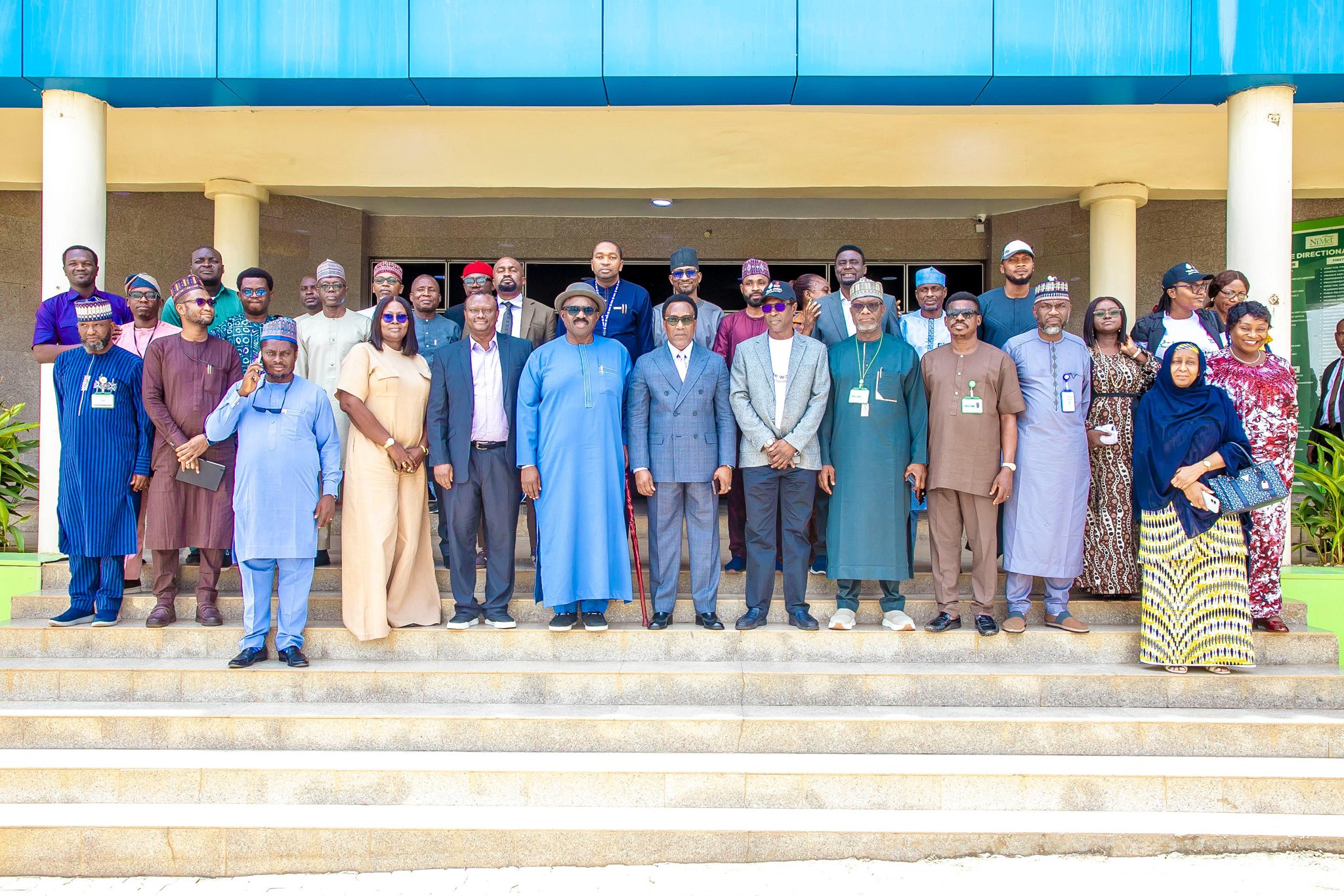
The Nigerian Meteorological Agency (NiMet) has joined the global meteorological community in commemorating the 2026 World Meteorological Day at its headquarters in Abuja, calling for stronger collaboration, sustained investment, and innovation in meteorological observation and climate services.

Speaking at the event, the Director-General/CEO of NiMet and Permanent Representative of Nigeria with the World Meteorological Organization (WMO), Professor Charles Anosike, highlighted the significance of this year’s theme, “Observing Today, Protecting Tomorrow.”
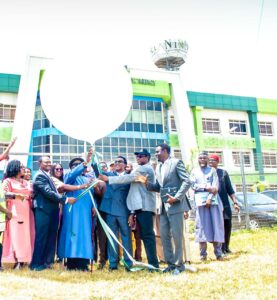
He emphasised that accurate and timely observations form the foundation of weather forecasts, early warnings, and climate services, noting that every reliable forecast depends on quality data collected across land, air, and sea.
Anosike stated that NiMet has continued to strengthen Nigeria’s observation systems through modern infrastructure, including Automatic Weather Stations, satellite data systems, and upper-air networks. He noted that these systems support aviation safety, agriculture, disaster risk reduction, and national development, while also contributing to regional capacity building under the WMO framework.
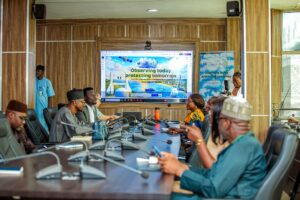
He warned that climate change is intensifying extreme weather events such as heatwaves, flooding, drought, and sand and dust storms. Citing findings from the “State of the Climate in Nigeria 2025 Report”, he noted increasing heat extremes and more frequent flooding, underscoring the urgent need for enhanced observation systems and climate-resilient services.
The NiMet DG stressed that the cost of meteorological observations and data management remains high and cannot be borne by the government alone. He therefore called for stronger public-private partnerships to expand observation networks, promote innovation, and improve data-driven decision-making. He urged stakeholders to mainstream climate information into short-, medium-, and long-term planning.
Also speaking, the Director-General of the Nigeria Civil Aviation Authority (NCAA), Capt. Chris Najomo, described weather services as the “eyes of aviation,” emphasising their critical role in ensuring safe and efficient flight operations. He called for continued investment in weather-resilient infrastructure and the adoption of advanced technologies, including artificial intelligence and satellite systems, to address emerging risks.
In his goodwill message, the Director-General of the Nigeria Hydrological Services Agency (NIHSA), Umar Ibrahim Mohammed, commended NiMet’s contributions to disaster risk reduction and the provision of accessible climate information. He emphasized the importance of collaboration among meteorologists, hydrologists, and other stakeholders to deliver integrated services that protect lives, livelihoods, and ecosystems, while ensuring that critical information reaches vulnerable communities.
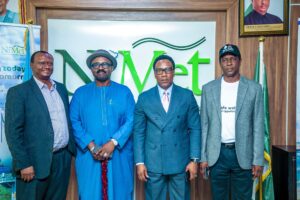

A goodwill message delivered on behalf of the WMO Secretary-General, Professor Celeste Saulo, highlighted the urgency of building resilience to extreme weather. The message noted that the past decade has been the warmest on record in Africa and identified extreme weather as a top global risk. It emphasized that observation and prediction systems are central to early warning services that save lives and support key sectors.
The event reinforced the need for sustained investment in observation systems, enhanced collaboration, and the integration of climate information into decision-making, while reaffirming NiMet’s leadership in advancing weather and climate services in Nigeria.





One Comment