


The Nigeria Civil Aviation Authority (NCAA) has hosted a hybrid technical working group meeting at its headquarters, Abuja, to review Nigeria’s Sustainable Aviation Fuel (SAF) feasibility study to assess her SAF potential, market conditions, and regulatory framework.

The meeting which was held on March 17, 2026 and organised by the NCAA’s Directorate of Air Transport Regulation led by Mrs. Olayinka Babaoye-Iriobe, was conducted under ICAO’s ACT-SAF Programme with support from the European Union Aviation Safety Agency (EASA).

Delivering his opening address, the Director-General of Civil Aviation (DGCA), Capt. Chris Najomo, welcomed EASA partners and consultant,Ms. Damiana Serafini, noting that the NCAA-EASA partnership under the EU-funded ICAO ACT-SAF Africa-India Project has reached an encouraging milestone, following Technical Working Group sessions held in October, 2025.
Capt. Najomo highlighted Nigeria’s strong SAF potential, citing its agricultural resources, biomass, and waste streams as viable feedstock, and noted alignment with President Tinubu administration’s agenda on agricultural value chains and resource-based industrialization.
He described SAF as a practical bridge between Nigeria’s economic potential and aviation sustainability, and urged participants to engage the discussions with an open and analytical mindset.
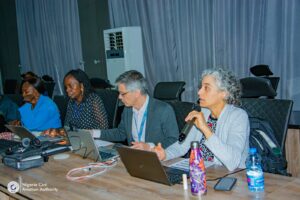
During her presentation, EASA consultant, Ms. Damiana Serafini, mentioned that the ACT-SAF feasibility study is designed to provide an evidence-based assessment of how SAF can be developed and deployed in Nigeria.

The hybrid meeting brought together NCAA technical teams and representatives from key stakeholder organisations including EASA, NNPC/NNEL, FAAN, Air Peace, Value Jet, NESREA, ARCN, ECN, NCCC, FMAFS, FMADO, NMDPRA, PASOMI, NLAA and European Union.










ProDentim is a distinctive oral-care formula that pairs targeted probiotics with plant-based ingredients to encourage strong teeth, comfortable gums, and reliably fresh breath.
Mitolyn is a carefully developed, plant-based formula created to help support metabolic efficiency and encourage healthy, lasting weight management.
PurDentix is a revolutionary oral health supplement designed to support strong teeth and healthy gums. It tackles a wide range of dental concerns
AquaSculpt is a high-quality metabolic support supplement created to help the body utilize fat more efficiently while maintaining steady, reliable energy levels throughout the day.
HeroUP is a premium mens wellness formula designed to support sustained energy, physical stamina, and everyday confidence.
Boostaro is a purpose-built wellness formula created for men who want to strengthen vitality, confidence, and everyday performance.
Backbiome is a naturally crafted, research-backed daily supplement formulated to gently relieve back tension and soothe sciatic discomfort.
InsuLeaf is a high-quality, naturally formulated supplement created to help maintain balanced blood glucose, support metabolic health, and boost overall vitality.
Maintaining prostate health is crucial for men’s overall wellness, especially as they grow older. Conditions like reduced urine flow, interrupted sleep
The bodys natural process of skin cell renewal is essential for preserving a smooth, healthy, and youthful-looking complexion.
Manergy is an advanced male vitality supplement created to help support healthy testosterone levels
Arialief is a carefully developed dietary supplement designed to naturally support individuals dealing with sciatic nerve discomfort while promoting overall nerve wellness.
Gluco6 is a natural, plant-based supplement designed to help maintain healthy blood sugar levels.
NativeGut is a precision-crafted nutritional blend designed to nurture your dog’s digestive tract.
Kerassentials is an entirely natural blend crafted with 4 potent core oils and enriched by 9 complementary oils and vital minerals.
NerveGenics is a naturally formulated nerve-health supplement created to promote nerve comfort, cellular energy support, antioxidant defense
ProstAfense is a premium, doctor-crafted supplement formulated to maintain optimal prostate function, enhance urinary performance, and support overall male wellness.
Nitric Boost Ultra is a daily wellness formula designed to enhance vitality and help support all-around performance.
GL Pro is a natural dietary supplement formulated to help maintain steady, healthy blood sugar levels while easing persistent sugar cravings.
NerveCalm is a high-quality nutritional supplement crafted to promote nerve wellness, ease chronic discomfort, and boost everyday vitality.
Prosta Peak is a high-quality prostate wellness supplement formulated with a comprehensive blend of 20+ natural ingredients and essential nutrients to support prostate health
MounjaBoost is a next-generation, plant-based supplement created to support metabolic activity, encourage natural fat utilization
Prostadine concerns can disrupt everyday rhythm with steady discomfort, fueling frustration and a constant hunt for dependable relief.
ViriFlow is a dietary supplement formulated to help maintain prostate, bladder, and male reproductive health. Its blend of plant-based ingredients is designed to support urinary comfort and overall wellness as men age.
Visium Pro is an advanced vision support formula created to help maintain eye health, sharpen visual performance, and provide daily support against modern challenges such as screen exposure and visual fatigue.
mvd6pk
I love how this blog celebrates diversity and inclusivity It’s a reminder that we are all unique and should embrace our differences
Your posts are always so relevant and well-timed It’s like you have a sixth sense for what your readers need to hear
I appreciate how this blog promotes self-love and self-care It’s important to prioritize our well-being and your blog reminds me of that