

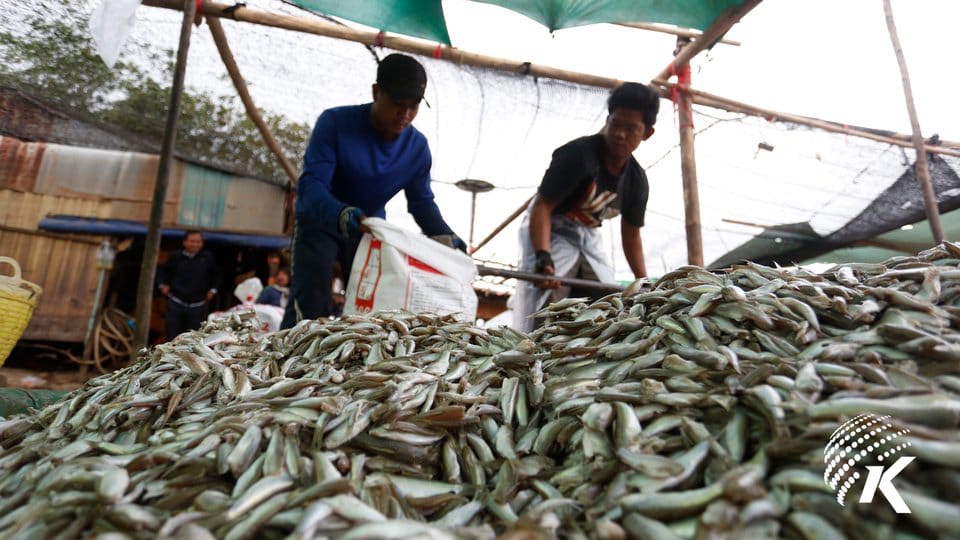
The Maritime Correspondents’ Organisation of Nigeria (MARCON) is set to bring key stakeholders in Nigeria’s fisheries and maritime sectors together to chart a new course for sustainable fishing, food security and coastal livelihoods.
The MARCON Conference on Sustainable Fishing in Nigeria, scheduled for Wednesday, September 30, 2026, at Rockview Hotel, Apapa, Lagos, will focus on practical measures to unlock the potential of the country’s fishing industry.
With the theme, “Sustainable Fishing in Nigeria: Pathways to Growth, Food Security and Coastal Livelihoods,” the conference will examine the challenges confronting the sector across infrastructure, industrial fishing, fisheries value chains, regulation, marine research, skills development and human capital.
The conference comes against the backdrop of the need to strengthen domestic fish production, create jobs and improve the contribution of fisheries to Nigeria’s food security and blue-economy ambitions.
The Managing Director of the Nigerian Ports Authority (NPA), Dr. Abubakar Dantsoho, is expected to lead discussions on the infrastructure dimension of the industry with a paper titled, “The Role of Port Infrastructure and Maritime Logistics in Advancing Sustainable Fishing in Nigeria.”
His presentation will focus on the importance of efficient ports and maritime logistics to fishing operations, particularly in improving the movement of fishery products and supporting the growth of the industry.
The President of the Nigerian Trawlers Owners Association will address the industrial production component of the sector in a paper titled, “Revitalising Nigeria’s Industrial Fishing Sector for Food Security and Economic Growth.”
The presentation is expected to examine how industrial fishing can be strengthened to increase domestic production and contribute more significantly to national food security and economic development.
Also speaking at the conference, the Lagos State Commissioner for Agriculture and Food Systems, Ms. Ruth Abisola Olusanya, will examine “Building a Sustainable Fisheries Value Chain for Food Security and Coastal Livelihoods in Lagos State.”
Her presentation will focus on strengthening fisheries value chains and improving the economic benefits of fishing activities for coastal communities.
The Director-General of the Nigerian Maritime Administration and Safety Agency (NIMASA), Dr. Dayo Mobereola, will address the regulatory and conservation dimension of the sector in his paper, “Protecting Nigeria’s Marine Resources: The Role of Maritime Regulation in Sustainable Fisheries Development.”

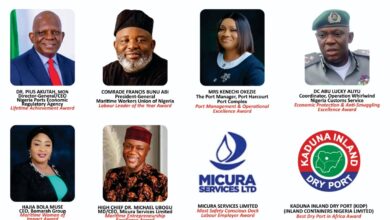
Similarly, the Director-General of the Nigerian Ports Economic Regulatory Agency (NPERA), Dr. Pius Akutah, will examine the relationship between port regulation and the wider blue economy in a paper titled, “Port Economic Regulation as a Catalyst for Sustainable Fishing and Blue-Economy Development in Nigeria.”
Research and scientific knowledge will also feature prominently at the conference, with the Director of the International Ocean Institute–Nigeria Centre, Nigerian Institute for Oceanography and Marine Research, Mr. Akanbi Bamikole Williams, presenting “Marine Science and Sustainable Fisheries Development in Nigeria: Bridging Research, Policy and Practice.”
The capacity of Nigeria’s fisheries institutions and workforce will also come under scrutiny.
The Provost of the Federal College of Fisheries and Marine Technology, Dr. Paul Chukwudi Onuoha, will present “Strategies for Building Capacity for Sustainable Fisheries and Aquaculture in Nigeria,” while the President-General of the Maritime Workers Union of Nigeria, Comrade Francis Bunu Abi, will examine “Human Capital: Strengthening the Workforce for Sustainable Fishing in Nigeria.”
The conference will be chaired by MARCON patron and President of the National Association of Government Approved Freight Forwarders (NAGAFF), High Chief Tochukwu Ezisi.
Secretary of the Conference Planning Committee, Adaku Onyenaucheya, said the event was designed to bring the various components of the fisheries and maritime sectors into a common conversation.
According to her, the participation of regulators, industry operators, researchers, training institutions, labour representatives and other stakeholders would provide an opportunity to examine the fishing industry across the entire value chain—from production and logistics to regulation, human capital and markets.
She said MARCON expects the conference to generate practical recommendations and strengthen collaboration among stakeholders towards addressing the structural challenges confronting Nigeria’s fishing industry.
MARCON said the conference was part of its efforts to promote informed public discourse on critical issues affecting Nigeria’s maritime sector and foster stakeholder engagement towards the sustainable development of the country’s fisheries industry.





One Comment