

Regulatory Reforms, Not More Private Jets, Key to Nigeria’s Aviation Growth – Nwuba, AOPA President

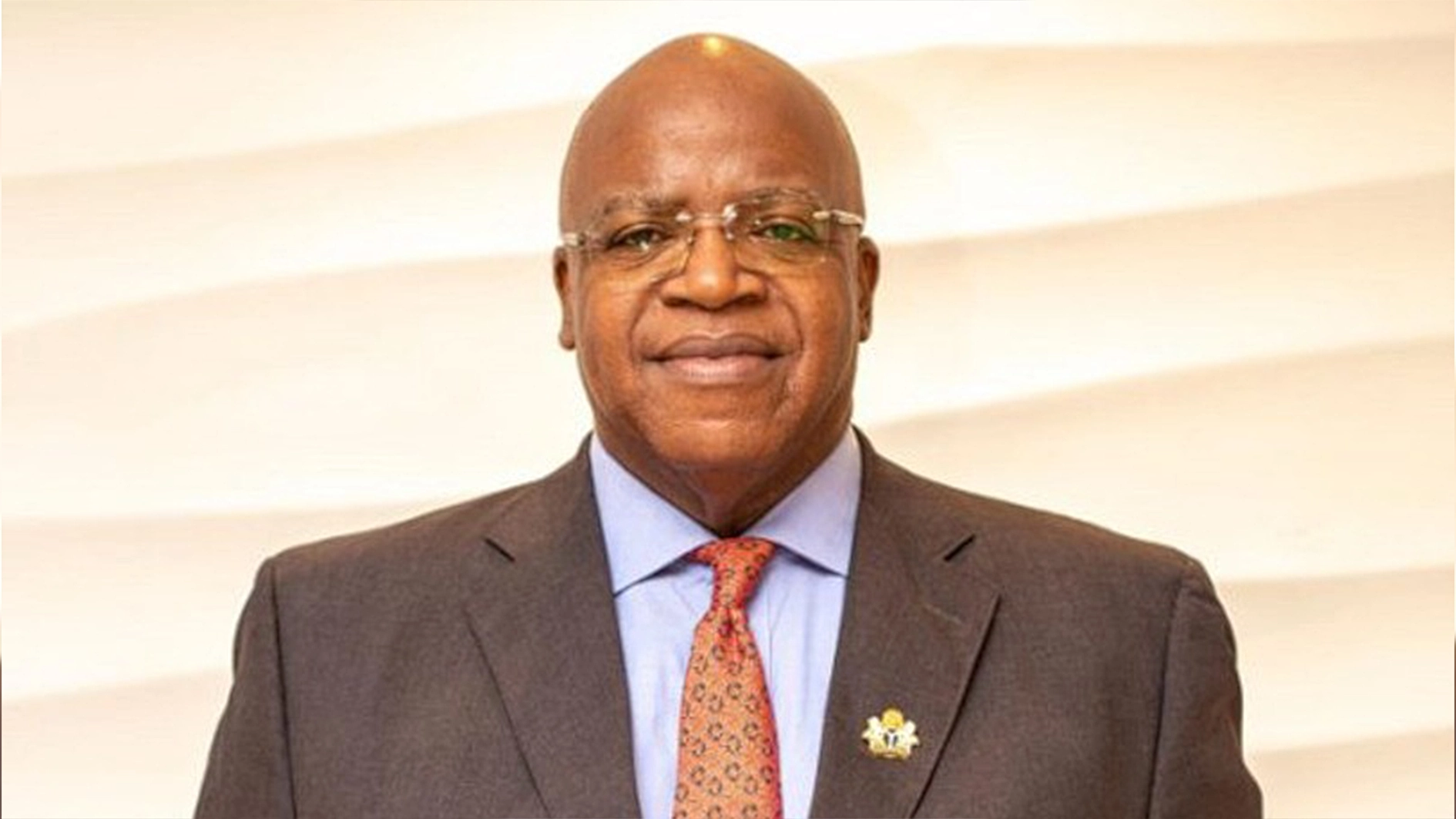
Nigeria’s recent emergence as the country with the largest private jet fleet in Africa has been celebrated as a milestone for the aviation sector, but while the growing number of business jets may suggest progress, aviation stakeholder, Alexander Nwuba argues that it masks a deeper problem. He contends that true aviation growth is not measured by the number of luxury aircraft on the tarmac, but by the strength of general aviation, the accessibility of flight training, and the number of pilots, engineers and small aircraft operators entering the industry.

The President of the Aircraft Owners and Pilots Association of Nigeria (AOPA), Nwuba called for urgent reforms to Nigeria’s aviation regulatory framework, stating that easing restrictions on private and training aircraft, not expanding the country’s private jet fleet is the key to sustainable aviation growth.
He said Nigeria’s emergence as the country with Africa’s largest private jet fleet should not be mistaken for evidence of a thriving aviation industry, insisting that the nation’s regulatory environment continues to stifle general aviation and the development of future pilots.
According to him, “The solution is not another jet. It is regulatory proportionality, treating personal and trainer aircraft as personal transport, certified airworthy and flown by licensed pilots.”
He emphasised that while many developed aviation markets require only aircraft registration, a valid Certificate of Airworthiness and a licensed pilot for private, non-commercial flying, Nigeria imposes an additional Permit for Non-Commercial Flights (PNCF), creating significant administrative and financial burdens for aircraft owners.
Nwuba noted that countries including the United States, Canada, the United Kingdom, France, Germany, Australia, Japan and Brazil allow private aircraft owners to operate with minimal regulatory requirements beyond airworthiness certification, making general aviation more affordable and accessible.
By contrast, he said, Nigeria’s PNCF regime requires applicants to obtain approvals from the Director General of the Nigerian Civil Aviation Authority, submit personal history statements, secure security clearances, provide tax clearance certificates, demonstrate proof of funds and pay processing fees for a permit that remains valid for only three years.
According to him, the additional requirements effectively treat private flying as a commercial operation rather than a personal means of transportation, increasing operating costs and discouraging participation in general aviation.
Private Jets Do Not Equal Industry Growth
Referring to the Minister of Aviation and Aerospace Development, Festus Keyamo’s recent announcement that Nigeria now has nearly 240 private jets, the largest fleet in Africa. Nwuba maintained that the figure reflects wealth rather than aviation development.
He explained that private jets are typically imported alongside foreign maintenance services, management structures and pilot training, contributing little to the expansion of Nigeria’s aviation ecosystem.
Instead, he said, genuine aviation growth should be measured by the number of student pilots, flying clubs, flight schools and light aircraft operating across the country.
“A fleet of Cessna 172s and light personal aircraft builds an industry; a fleet of Gulfstreams merely decorates one,” he said.

Barriers for Young Pilots
The AOPA president also highlighted the challenges confronting aspiring Nigerian pilots, saying the country’s regulatory and training structure leaves many unable to build the flying hours required for employment.
Drawing from his personal experience of learning to fly in the United States, he explained that he was able to purchase an aircraft, hire an instructor, obtain a low-cost student pilot licence, attend ground school and complete the required examinations before qualifying as a pilot.
He contrasted that experience with Nigeria, where prospective pilots face expensive training and limited access to privately owned training aircraft needed to accumulate flight hours.
“The conundrum every young Nigerian pilot knows by heart: no time, no job; no job, no time,” he said.
“To obtain a PNCF: requires an application to the Director General, personal history statements, security clearance routed through the Ministry, tax clearance, proof of funds, processing fees, and a permit valid for only three years, subject, as the 2024 re-evaluation exercise showed, to being called in for review at 72 hours’ notice. This is the paperwork of an airline, imposed on a person and should that person try to become an actual operator, the Air Operator Certificate awaits: a five-phase certification that takes months to over a year, statutory fees from about ₦5.4 million for the smallest fixed-wing aircraft, real costs that industry veterans put above ₦25 million, and paid-up capital requirements starting at ₦500 million. ”

Lessons from Other Countries
Nwuba said several countries have adopted more flexible regulatory models that have strengthened their general aviation sectors.
He cited South Africa as an example where recreational flying is regulated separately, resulting in one of Africa’s largest general aviation fleets and flight schools that attract students from across the continent, including Nigerians.
He also pointed to Kenya’s vibrant general aviation ecosystem around Wilson Airport and India’s gradual liberalisation of private and non-scheduled aviation regulations since 2016.
According to him, Nigeria, alongside several West African countries, has yet to implement similar reforms.
Call for Regulatory Proportionality
Nwuba said AOPA Nigeria and the Aviation Safety Round Table Initiative (ART) have consistently advocated amendments to the Nigeria Civil Aviation Regulations to remove the PNCF requirement for genuinely private, non-commercial flying.
He said the groups are also seeking a proportionate regulatory pathway for personal and training aircraft while reserving more stringent operator certification for commercial aviation.
He stressed that the proposal is intended to improve safety rather than weaken oversight, arguing that pilots who can afford to fly more frequently gain greater experience and proficiency.
According to him, expanding access to personal and training aircraft would help Nigeria produce more pilots, engineers and aviation professionals locally, reducing dependence on foreign-trained manpower.
He said Nigeria’s aviation future depends on building a broad general aviation base rather than celebrating the size of its private jet fleet.
“The solution is not another jet. It is regulatory proportionality,” he said, adding that until reforms are implemented, “Nigeria will keep counting jets while other countries count pilots and only one of those numbers is aviation growth.”
Nwuba maintains that easing regulatory requirements for genuinely private, non-commercial flying would lower barriers to entry, expand general aviation and create opportunities for aspiring pilots and aviation professionals. As Nigeria seeks to strengthen its aviation sector, the AOPA president believes the real measure of progress will not be how many private jets it owns, but how effectively it nurtures the people and institutions that keep the industry growing.







One Comment