


The Association of Nigerian Licensed Customs Agents (ANLCA), Western Zone have rejected a proposed increase in shipping charges, warning that it will deepen the economic hardship faced by Nigerians.

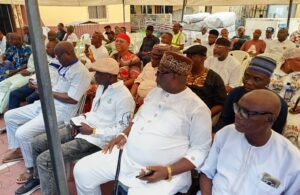
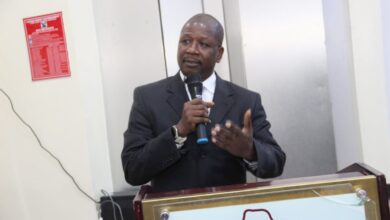
Speaking at a gathering of clearing agents and industry players, Mr. Femi Anifowose, Coordinator, Western Zone said the planned tariff hike would not only affect port users but every Nigerian, as higher port charges would inevitably translate into higher prices of goods nationwide.
He noted that Nigeria remains heavily dependent on foreign-controlled goods, estimating that about 70 to 80 per cent of items consumed in the country are linked to foreign production and control.
 Anifowose recalled that in November 2023, shipping companies increased their charges by about 400 per cent, a move that stakeholders reluctantly accepted due to the sharp rise in the dollar exchange rate, PISU, and other levies.
“Now, less than two years later, they want to increase charges again. We say no. Enough is enough,” he declared.
He said Nigerians had supported the Federal Government when new economic policies, including changes to the foreign exchange system, were introduced, but warned that foreign companies must not be allowed to exploit the country while using profits made in Nigeria to develop other nations.
According to him, Nigeria’s population of over 200 million people makes it one of the biggest markets in the world, yet the country continues to suffer underdevelopment while foreign firms repatriate huge profits.
Anifowose announced that stakeholders would visit the Nigerian Shippers’ Council on Wednesday to formally present their position.
The planned meeting with the NSC and shipping lines is expected to focus on shipping companies proposed increase which had been effected by the MSC in Import Documentation and Port Additional Charges, which ANLCA and other freight forwarding groups maintain lack economic justification given relative stability in fuel prices and foreign exchange.
“We are not going there to beg. We are going there to speak for ourselves and for our country. This is Nigeria, and Nigerians must come first,” he said.
He also criticised some multinational shipping lines, alleging that their policies favour foreign nationals over Nigerians, and called for stronger regulatory agencies to protect local interests.

The stakeholders vowed to continue to speak out and resist any policy or action that would further burden Nigerians, insisting that the struggle goes beyond agents and port users and concerns the future of the country.




One Comment